How Much is a Teeth Whitening Procedure?
The question of cost often looms larger than the question of chemistry. You desire a brighter smile, but the financial commitment remains a decisive, and sometimes prohibitive, factor. The price of teeth whitening is not a single, fixed number. It spans a vast spectrum, from the cost of a tube of whitening toothpaste to the premium fee for a concierge cosmetic dentist’s chairside laser session. Understanding what drives this price variation is essential for making an informed decision that balances your aesthetic goals with your budget.
The answer to “How much is a teeth whitening procedure?” depends on who performs it, the concentration and chemistry of the agents used, the technology involved, and the geographic location of the practice. This article provides a transparent, detailed breakdown of the costs associated with every major whitening modality. We will examine professional in-office treatments, dentist-dispensed take-home kits, and over-the-counter products, explaining not just the sticker price, but the value proposition, the hidden costs, and the long-term financial commitment required to maintain your results.

The Price Spectrum: A Quick Overview
Before diving into the granular details, it is helpful to visualize the overall cost landscape. Teeth whitening costs can be grouped into three broad tiers based on the setting and level of professional supervision.
- Professional In-Office Whitening (Chairside Power Bleaching): $400 to $1,200+ per session.
- Dentist-Dispensed Custom Take-Home Kits: $200 to $600 for the initial kit, including custom trays and gel. Refill gel syringes cost $15 to $40 each.
- Over-the-Counter Products (Strips, Pens, Trays, Toothpaste): $5 to $100 per product kit.
The cost difference between the top and bottom tiers can exceed a factor of 100. Understanding what you are actually paying for at each level is the key to determining value.
In-Office Chairside Whitening: The Premium Tier ($400 – $1,200+)
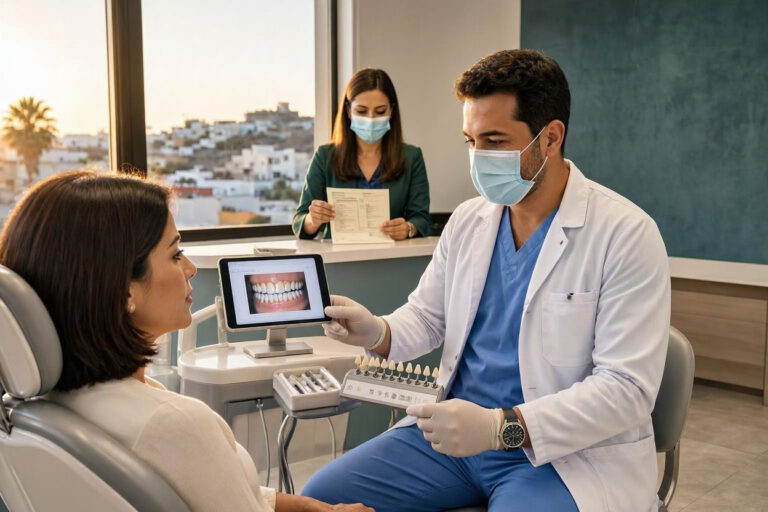
This is the most expensive whitening option per session, and it is also the fastest. The procedure is performed entirely in the dental chair under professional supervision.
What the Fee Typically Includes:
The quoted price for in-office whitening usually bundles several components. It includes the pre-procedural examination and shade assessment, the application of a protective gingival barrier (a light-cured resin dam), the high-concentration hydrogen peroxide gel (typically 25-40%), the use of an activation light (LED, plasma arc, or laser), multiple 15-20 minute application cycles, post-procedural desensitization treatment (fluoride varnish or ACP paste), and take-home care instructions. Some practices also include a custom tray and a starter supply of take-home gel for maintenance, though this is not universal and should be confirmed.
Factors That Escalate the In-Office Price:
- Geographic Location and Practice Overhead: A cosmetic dental practice in a high-rent metropolitan area (New York, Los Angeles, London) will charge significantly more than a practice in a suburban or rural setting. The overhead costs of the practice are passed on to the patient.
- Technology Branding: Systems marketed as “laser whitening” or those using proprietary, heavily branded light systems (e.g., Zoom, KöR) often command a premium. The cost of the equipment leasing or purchase, and the marketing cachet of the brand, are built into the procedure fee.
- Dentist Expertise and Specialization: A general dentist will typically charge less than a specialist in cosmetic dentistry or prosthodontics who has advanced training, a portfolio of high-end aesthetic cases, and a reputation that commands a premium fee.
- Complexity and Time: A standard case with healthy, unrestored teeth takes the standard 60-90 minutes. A case requiring extensive gingival sculpting, treatment of isolated dark teeth, or management of pre-existing sensitivity may require additional chair time and materials, increasing the cost.
The Hidden Cost of In-Office Whitening: Maintenance
The single-session fee is not the end of your financial commitment. In-office results fade over 3 to 12 months, depending on your dietary habits. To maintain the shade, you will need either periodic repeat in-office sessions (each costing the full fee again) or you will need to purchase a take-home maintenance kit. Many patients find that the true long-term cost of “in-office only” whitening is the cumulative expense of annual or biannual repeat sessions. The most cost-effective long-term strategy often combines a single initial in-office “boost” with a custom take-home tray system for affordable maintenance.
Dentist-Dispensed Custom Take-Home Kits: The Value Sweet Spot ($200 – $600)
This option occupies the middle ground in cost and, for many patients, represents the best balance of clinical efficacy, safety, and long-term value.
What the Initial Fee Includes:
The initial fee typically covers the comprehensive dental examination to determine candidacy, the taking of accurate alginate or digital impressions of both arches, the dental laboratory fee for fabricating the custom-fitted, flexible whitening trays, and a supply of carbamide peroxide or hydrogen peroxide gel syringes sufficient for one or two full treatment cycles (usually 4 to 8 syringes). The dentist will also provide a personalized wear-time protocol and instructions.
Why the Cost Is Lower Than In-Office:
The majority of the whitening process occurs at home, unsupervised. You are not paying for an hour of dedicated dentist chair time, assistant time, or the use of expensive light-activation equipment. The dentist’s time investment is front-loaded into the examination, impression, and tray-fitting appointment, which is typically 30 minutes or less. The subsequent whitening is self-administered.
The Compelling Long-Term Economics:
This is where the custom tray system’s financial advantage becomes undeniable. Once you have the trays (which last for years with proper care), you do not need to pay for new trays. When you need to refresh your smile or perform a touch-up, you simply purchase replacement gel syringes from your dentist. These syringes typically cost $15 to $40 each. A single syringe provides 6 to 12 full-arch applications. A 2-night touch-up every 2 months costs a few dollars per year in gel. Amortized over a decade, the custom tray approach is the most economical path to a perpetually white smile, despite a moderate initial investment.
Over-the-Counter Products: The Accessible Tier ($5 – $100)
The OTC market offers the lowest barrier to entry in terms of both cost and convenience. No dental visit is required, and the products are available at virtually every pharmacy, supermarket, and online retailer.
Price Breakdown by OTC Product Category:
- Whitening Strips (Premium Brand, e.g., Crest 3D White Professional Effects): $40 to $70 for a full 14-21 day treatment kit. These are the most clinically effective OTC option, delivering a measurable shade change comparable to lower-concentration take-home tray systems when used correctly.
- Whitening Strips (Generic/Budget): $15 to $30 for a treatment kit. These often have lower peroxide concentrations, poorer adhesive quality, and less uniform whitening.
- Paint-On Whitening Pens: $10 to $30 per pen. Convenient for touch-ups but provide limited primary whitening due to short contact time.
- Boil-and-Bite Tray Kits with Gel: $20 to $50. The trays are bulky and ill-fitting, leading to gel leakage, gum irritation, and uneven whitening.
- LED Accelerator Kits (Online Brands): $60 to $150. These combine a low-concentration peroxide gel or pen with a battery-powered LED mouthpiece. The LED provides minimal catalytic benefit, but the kit format is popular and convenient.
- Whitening Toothpaste: $5 to $15 per tube. Provides only abrasive extrinsic stain removal; no chemical bleaching capability.
- Whitening Mouthwash: $5 to $12 per bottle. Very low peroxide concentration and extremely short contact time yield negligible progressive whitening.
The Hidden Cost of OTC Whitening: Inefficiency and Repurchase
The lower upfront cost of OTC products can be deceptive. Because strips and pens are disposable and provide a finite number of sessions, maintaining your results requires purchasing a new full kit each time. Over several years, a user who purchases a $50 strip kit every 3-4 months for maintenance will spend $600 to $800, exceeding the cost of a custom take-home tray system that would have provided superior, more uniform results for the same or less total outlay.
Comparative Table: Teeth Whitening Costs and Value
| Whitening Method | Initial Cost (Approx.) | Cost Per Session | Maintenance Cost (Annual) | 5-Year Total Cost Est. |
|---|---|---|---|---|
| In-Office Power Bleaching | $500 – $1,000 | $500 – $1,000 | $500 – $1,000 (repeat session) | $2,500 – $5,000+ |
| Custom Trays + Gel (Initial Kit) | $300 – $500 | $2 – $5 (gel only) | $50 – $100 (gel refills) | $550 – $1,000 |
| Premium Whitening Strips | $50 | $50 (full kit) | $200 – $300 (4-6 kits) | $1,050 – $1,550 |
| LED Kit (Online Brand) | $80 – $120 | $10 – $20 (refill pens) | $120 – $240 | $680 – $1,320 |
| Whitening Toothpaste | $8 | N/A (daily use) | $40 – $60 | $200 – $300 |
What Insurance Covers (and What It Does Not)
A critical factor in the real out-of-pocket cost is the role of dental insurance. Teeth whitening is universally classified as a cosmetic elective procedure. It is not a medically necessary treatment for dental disease. Consequently, standard dental insurance plans provide zero coverage for whitening, whether performed in-office or dispensed for home use. The entire cost is the patient’s responsibility.
There are narrow, rare exceptions. If a tooth has undergone endodontic treatment (a root canal) and has darkened internally due to pulpal necrosis and blood pigment infiltration, the internal bleaching of that single tooth (walking bleach technique) may be considered part of the restorative rehabilitation and might be partially reimbursable under some plans. This is a distinct procedure from external cosmetic whitening and should not be conflated. For the vast majority of patients seeking a brighter smile, the cost is paid entirely out-of-pocket, often through cash, credit card, or third-party healthcare financing platforms like CareCredit.
Geographic Price Variation: A Reality Check
The price ranges quoted in this article are broad national averages. The specific cost in your local market can deviate substantially.
- Major Metropolitan Hubs (NYC, SF, LA, London, Sydney): In-office whitening can easily range from $800 to $1,500+, driven by high commercial rents, elevated staff salaries, and a clientele with higher disposable income willing to pay a premium for brand-name cosmetic services.
- Suburban and Mid-Sized City Practices: In-office fees typically fall in the $400 to $700 range. The market is more competitive, and the practice overhead is lower.
- Dental Schools and Teaching Hospitals: Many dental schools operate clinics where supervised dental students perform whitening procedures at significantly reduced fees, often 40-60% less than private practice rates. The trade-off is longer appointment times, as faculty must check each step. This can be an excellent option for budget-conscious patients willing to trade time for cost savings.
- Dental Tourism Destinations (Mexico, Costa Rica, Thailand): In these locations, in-office laser whitening may be advertised for $150 to $300. While the price is attractive, patients must carefully weigh the savings against the risks of receiving care in a jurisdiction with potentially different regulatory standards, sterilization protocols, and limited legal recourse in the event of complications.
The Consultation Fee Question
When budgeting for professional whitening, ask the dental practice explicitly whether the initial consultation and examination are included in the quoted whitening fee or are billed separately. Some practices bundle the consultation into the overall treatment package. Others charge a separate new patient examination fee ($50-$150) or a limited oral evaluation fee. This should be clarified during the initial phone call to avoid an unexpected bill.
Conclusion
- The cost of a teeth whitening procedure ranges from under $10 for a basic toothpaste to over $1,200 for a premium in-office laser session, with the most clinically effective and economically sensible long-term option being a dentist-dispensed custom take-home tray kit ($200-$600 initial) with inexpensive gel refills for maintenance.
- In-office power bleaching provides the fastest results but carries the highest per-session cost ($400-$1,200+) and requires expensive repeat sessions or supplementary take-home kits to maintain the shade, making it a premium sprint rather than an economical marathon.
- Dental insurance does not cover cosmetic whitening, placing the full financial responsibility on the patient; the true cost of any method must be calculated over a multi-year maintenance horizon, not just the initial price tag.
Frequently Asked Questions
Why is laser whitening more expensive than regular in-office whitening?
The “laser” branding, the cost of the specialized diode or argon laser equipment, and the perceived technological premium allow practices to charge a higher fee. Clinically, the final shade outcome is similar to high-quality LED-activated or even non-light chemical in-office protocols, but the marketing differentiation and equipment amortization costs drive up the price.
Are there financing options available for teeth whitening?
Yes. Many cosmetic dental practices accept third-party healthcare financing like CareCredit, LendingClub, or Alphaeon Credit, which offer promotional periods of deferred interest (e.g., 6 or 12 months no interest if paid in full). Some practices also offer in-house payment plans. Whitening is a relatively small-ticket procedure compared to veneers or implants, so many patients simply pay via credit card.
Do I need to pay for a consultation before getting a whitening quote?
Some practices offer complimentary whitening consultations, while others charge a standard examination fee. This varies by practice. Always ask when booking the appointment. A consultation is a valuable opportunity to determine if your stains are suitable for whitening (rather than being intrinsic defects requiring veneers) and to identify any untreated decay or leaky fillings that would contraindicate immediate whitening.
Is it cheaper to buy whitening gel online instead of from my dentist?
While professional-grade whitening gel is sometimes available through online retailers, purchasing from unauthorized channels carries risks. The gel may be counterfeit, expired, improperly stored, or of an inappropriately high concentration for unsupervised use. The cost savings is typically modest, and the risk to your oral health is not worth the discount. Purchase refills directly from your dentist or a legitimate pharmacy with a valid prescription.
How much does internal bleaching of a single root-canaled tooth cost?
Internal (walking) bleach of a single non-vital discolored tooth is a different procedure from external cosmetic whitening. The cost typically ranges from $200 to $500 per tooth, depending on the number of visits required. This is a restorative procedure to correct an isolated dark tooth, not a full-arch cosmetic enhancement.