How to Claim Back NHS Dental Charges: The Complete Step-by-Step Guide
NHS dental charges can feel like an unexpected burden. You might have paid at the counter because you needed treatment urgently. You might have felt confused about the rules. Later, you realise you should not have paid at all. This guide will walk you through every stage of getting your money back. We will keep things simple, clear, and realistic.
Many people assume the process is too complicated to bother with. Others worry they will make a mistake and face awkward questions. The truth is more reassuring. The NHS has a formal refund system that works well when you follow the right steps. You just need to know who qualifies, which form to use, and how to avoid common errors. By the time you finish reading, you will have a complete roadmap. You will know exactly how to claim back NHS dental charges without stress.
Understanding NHS Dental Charges and Why Refunds Exist
The NHS does not want people to pay for treatment they are entitled to receive free of charge. The refund system exists because mistakes happen. Sometimes a dental practice does not have the latest information about your circumstances. Sometimes you forget to bring your exemption certificate to an appointment. In other cases, you start a course of treatment before your benefit award notice arrives. The NHS acknowledges these real-world situations and offers a straightforward way to correct them.
What the Current NHS Dental Charges Cover
Before we dive into refunds, it helps to understand what you are paying for. NHS dental treatment in England uses three standard charge bands. Wales, Scotland, and Northern Ireland have their own systems, but the refund principle remains similar across the UK.
The band system looks like this:
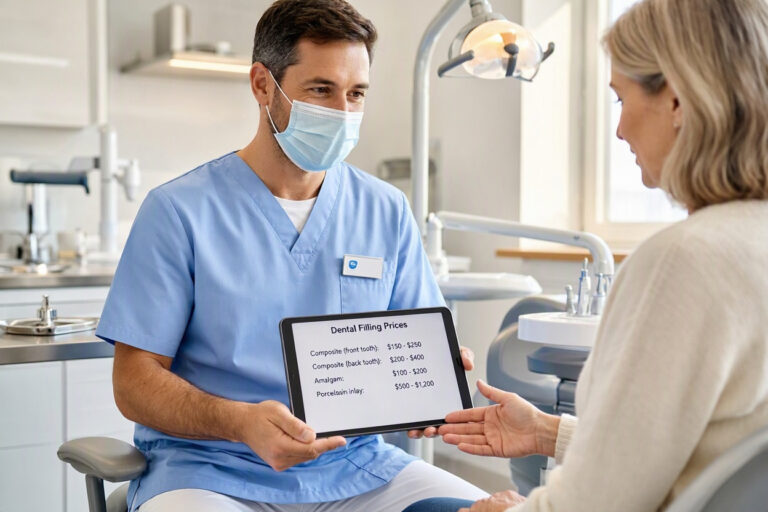
| Charge Band | Type of Treatment | Current Cost (England) |
|---|---|---|
| Band 1 | Examination, diagnosis, advice, scale and polish, X-rays | £25.80 |
| Band 2 | Fillings, root canal treatment, extractions | £70.70 |
| Band 3 | Crowns, dentures, bridges, other laboratory work | £306.80 |
These figures may change each April. Always check the latest NHS website for updates. If you pay for private treatment, this refund guide does not apply. Private fees sit outside the NHS system entirely.
Who Can Get Free NHS Dental Treatment
The NHS offers free dental care to specific groups. If you fall into any of these categories, you should not pay. The main qualifying groups include:
- People under 18, or under 19 and in full-time education
- Pregnant women and those who have had a baby in the last 12 months
- People receiving certain benefits, including Income Support, income-based Jobseeker’s Allowance, income-related Employment and Support Allowance, Pension Credit Guarantee Credit, and Universal Credit (with specific conditions)
- People named on a valid NHS tax credit exemption certificate
- People named on a valid HC2 certificate (full help with health costs)
- People receiving treatment in an NHS hospital and being seen by a hospital dentist (treatment stays free)
- People on a low income who qualify through the NHS Low Income Scheme
A note worth remembering: if you receive Universal Credit, the rules depend on your earnings in the most recent assessment period. You qualify if your take-home pay is £435 or less, or £935 or less if your Universal Credit includes an element for a child or limited capability for work.
The Core Principle: You Must Be Entitled on the Day You Paid
This is the single most important rule to understand. Your entitlement to free treatment depends on the date you paid. You cannot claim a refund simply because you had a valid exemption certificate one month earlier or one month later. The certificate must have covered the exact date you handed over your money.
This rule catches people out. Imagine you pay for a filling on 15 March. Your new HC2 certificate starts on 20 March. Those five days make all the difference. You are not entitled to a refund for the 15 March treatment. The NHS processes thousands of claims and checks dates carefully. They will notice a five-day gap.
If your certificate had started on 10 March, you would qualify. Simple, but crucial. Keep this rule at the front of your mind as you read on.
Refund Window: How Long Do You Have to Claim?
The NHS sets a time limit for refund claims. In England, you must submit your claim within three months of the date you paid. In Wales, the window is also three months. Scotland allows a slightly longer period of three months but check with Practitioner Services for the most current rules.
Three months may seem generous, but life gets busy. Mark your calendar as soon as you realise you might be due a refund. Put the deadline somewhere visible. The NHS rarely extends this window unless exceptional circumstances apply. A simple oversight will not count as exceptional. Act quickly once you know.
Step 1: Confirm Your Eligibility Before You Do Anything Else
Gather your paperwork. Find the receipt from your dental practice. Check the date of payment. Now locate your exemption evidence. This could be:
- A valid HC2 certificate
- A tax credit exemption certificate
- A maternity exemption certificate (MatEx)
- A medical exemption certificate
- A Prescription Prepayment Certificate (note: this does not cover dental charges, only prescriptions)
- Your award notice for a qualifying benefit
Place both documents side by side. Compare the date on the receipt with the valid dates on your certificate. The payment date must fall within the certificate’s start and end dates. If it does, you meet the basic condition. If your certificate expired the week before, you may not qualify.
If you applied for the Low Income Scheme and the NHS backdated your certificate, that changes things. The NHS can sometimes backdate an HC2 certificate. If the backdated start date covers your payment date, you are in luck. Contact the NHS Business Services Authority to confirm the exact start date before submitting a claim.
What If You Lost Your Receipt?
Do not panic. Contact your dental practice and ask for a duplicate receipt. Most practices can reprint one from their records. Explain that you need it for an NHS refund claim. They deal with these requests regularly and should help without fuss. If the practice refuses or cannot help, contact NHS England’s customer contact centre. They can advise on next steps.
Step 2: Get the Right Form — The HC5 Explained
To claim your refund, you need a form called the HC5. This form handles refunds for dental charges, prescription charges, sight tests, and other health costs. You only need to fill in the sections relevant to dental treatment.
Where to get the HC5 form:
- Download it as a PDF from the NHS Business Services Authority website (nhsbsa.nhs.uk)
- Call the NHS Help with Health Costs helpline on 0300 330 1343 and ask them to post one
- Request one at your local Jobcentre Plus or NHS hospital
The PDF version is the quickest route. You can print it, fill it in by hand, and post it. The NHS does not currently offer an online submission option for the HC5, so paper remains the method.
Form Sections You Need to Complete
The HC5 looks daunting at first glance. You can ignore whole sections that do not apply. Here is what you need for a dental refund:
- Part 1: About you — your name, address, date of birth, and National Insurance number
- Part 2: About your exemption — tick the box that describes why you were entitled to free treatment
- Part 3: About the charges you paid — here you list dental charges separately from prescription charges
- Part 4: Refund details — how you want to receive the money
- Part 5: Declaration — sign and date
That is it. You do not need to complete sections for prescriptions, wigs, or fabric supports unless you are also claiming refunds for those.
Evidence You Must Include
The HC5 form needs supporting documents. Send photocopies, never originals, unless the form specifically tells you otherwise. You should include:
- A clear photocopy of your dental receipt showing the date, amount paid, and practice details
- A clear photocopy of your exemption certificate (both sides if it has two)
- If you claimed based on benefits, a copy of your award notice valid at the time of payment
- If you claimed based on maternity, a copy of your MatEx certificate
Write your name and address on the back of each photocopy. This simple step helps if pages get separated during processing.
Step 3: Complete the HC5 Form with Accuracy
Sit down with a pen, your documents, and a clear surface. Rushing leads to mistakes. Mistakes lead to delays. The NHSBSA processes thousands of claims. They will not call you to fix a missing date. They will return the form and ask you to resubmit.
Part 1: Personal Information
Print your full name as it appears on your exemption certificate. If you recently married and changed your name, provide both names and explain in a brief covering note. Include your current address. If you moved since paying the dental charge, include your old address as a note. The NHSBSA may need to cross-reference their records.
Your National Insurance number is vital. Double-check each digit. A transposed number can cause weeks of delay.
Part 2: Why You Were Entitled to Free Treatment
This is the section where many claims go wrong. Read each option carefully. Tick one box only. The most common selections for dental refunds are:
- I was named on a valid HC2 certificate
- I was pregnant or had a baby in the last 12 months
- I was receiving Income Support
- I was receiving income-based Jobseeker’s Allowance
If you tick the wrong box, the assessor may reject your claim. If you are unsure which box to tick, call the helpline before posting the form.
Part 3: Details of the Dental Charges
Here you list each charge you paid. The form asks for:
- The date you paid
- The name and address of the dental practice
- The amount you paid
- The type of charge (Band 1, 2, 3, or urgent treatment)
If you paid multiple charges at the same practice on the same day, list them separately. If you paid charges at different practices, list each one on its own line. The form has space for several entries. If you need more room, attach a separate sheet clearly labelled with your name and National Insurance number.
Part 4: How You Want Your Refund
The NHSBSA can refund you by cheque or directly into your bank account. Bank transfer is faster. You need to provide your sort code and account number. Double-check these numbers. A wrong digit sends your money into someone else’s account, and recovery is slow.
If you prefer a cheque, expect a longer wait. The NHSBSA posts cheques to the address you gave in Part 1. Make sure that address is current.
Part 5: Declaration
Sign and date the form. An unsigned form is invalid. The NHSBSA will return it. If you are claiming on behalf of someone else, you need their signature unless you have Power of Attorney. In that case, include a copy of the Power of Attorney document.
Step 4: Post Your Claim to the Correct Address
The HC5 form comes with a pre-printed address on the PDF. The address is:
NHS Business Services Authority
Help with Health Costs
Bridge House
152 Pilgrim Street
Newcastle upon Tyne
NE1 6SN
If you live in Scotland, you may need to send your form to Practitioner Services instead. Check the address on the form or call their helpline to confirm. Scotland uses a slightly different process, though the HC5 form remains the correct one for dental refunds.
Use a standard postal service. You do not need recorded delivery, but it gives you proof of posting and a delivery date. If the three-month deadline is close, recorded delivery protects you against postal delays. Keep the receipt from the Post Office until your refund arrives.
What Happens After You Submit Your Claim
The NHSBSA receives your form and logs it into their system. You will not receive an immediate acknowledgment. The service processes claims in the order they arrive. Current processing times vary. During quiet periods, you might wait two to three weeks. During busier times, expect up to six weeks.
If the assessor approves your claim, they will issue a refund. The money arrives in your bank account or as a cheque. You will also receive a letter confirming the decision. Keep this letter with your records.
If the NHSBSA Needs More Information
Sometimes the assessor finds a discrepancy. Perhaps the receipt date is unclear. Perhaps your exemption certificate does not match their records. They will write to you explaining what they need. Respond quickly. Your three-month deadline remains fixed. If they ask for more evidence and you delay, the deadline may pass while they wait.
If Your Claim Is Rejected
A rejection letter will explain the reason. Common reasons include:
- The payment date fell outside the certificate validity period
- The exemption type you claimed does not cover dental treatment
- The form was incomplete or missing evidence
- You claimed under Universal Credit but your earnings exceeded the threshold
A rejection is not always final. If you believe the assessor made an error, you can ask for a review. Write to the NHSBSA explaining why you disagree. Include any additional evidence that supports your case. The review process is free and informal.
Special Situations That Deserve Extra Attention
Life is rarely straightforward. Your situation might not fit neatly into the standard boxes. Here are some common variations and how to handle them.
You Were Pregnant but Did Not Have a Maternity Exemption Certificate
Pregnant women qualify for free NHS dental treatment from the moment a midwife or GP confirms the pregnancy. The exemption lasts until 12 months after the baby’s birth. However, you need a formal MatEx certificate to prove this.
If you paid for treatment while pregnant and did not have a MatEx, you can still claim a refund. First, apply for the MatEx certificate from your midwife or GP. Once you receive it, check the start date. The certificate should cover your pregnancy from the confirmation date. Then submit your HC5 with a copy of the MatEx and the dental receipt.
If the certificate start date is later than your payment date, contact the NHSBSA for advice. They may ask for a letter from your midwife confirming the date your pregnancy was confirmed.
You Applied for the HC2 Certificate After Paying
The NHS Low Income Scheme can sometimes backdate an HC2 certificate. If you apply on form HC1 and the NHS grants a certificate starting before your dental payment date, you can claim a refund. You must apply for the HC1 first, wait for the decision, and then use the HC5 to claim your refund.
This backdating is not automatic. You need to have been entitled on the date of treatment. The NHS will assess your income for the relevant period. If they decide your income was low enough, they will issue an HC2 with a start date that covers your payment. Then you follow the standard HC5 process.
You Paid for a Course of Treatment That Crossed Two Qualification Periods
Imagine a course of treatment starts on 1 February when you hold a valid HC2. The treatment continues and you pay the final charge on 1 March. But your HC2 expired on 15 February. Are you covered?
NHS rules say the relevant date for exemption is the date the treatment was provided. If the final element happened after your certificate expired, that specific charge might not qualify. However, if you paid a single Band 2 charge covering the entire course, the practice should have charged you at the start. Speak to your dentist and the NHSBSA about exactly when the charge was incurred.
Common Mistakes That Delay or Void Claims
Learning from others’ errors saves you time and frustration. Here are the most frequent pitfalls.
Mistake 1: Not Checking the Certificate End Date
People find an old HC2 certificate in a drawer, see it was valid recently, and assume it covered their treatment. Always check the exact end date. Certificates typically last 12 months, sometimes less. An expired certificate is not valid, even by one day.
Mistake 2: Assuming Universal Credit Always Qualifies You
Universal Credit does not automatically entitle you to free dental treatment. You must meet the earnings threshold. If your take-home pay in the last assessment period exceeded £435 (or £935 with a child or limited capability element), you do not qualify. Check your Universal Credit statement before claiming.
Mistake 3: Sending the Form Without a Receipt
The NHSBSA needs proof of payment. A form without a receipt will be returned. If you cannot find your receipt, get a duplicate from your dentist before sending the claim.
Mistake 4: Using the Wrong Form
The HC5 is for refunds. The HC1 is for applying to the Low Income Scheme. The HC2 is the certificate you receive if approved. Do not confuse them. Sending an HC1 when you mean to claim a refund wastes weeks.
Mistake 5: Claiming for Private Treatment
The NHS refund scheme only covers NHS charges. If you chose to see a private dentist or paid for private treatment at an NHS practice, the HC5 will not help. The line between NHS and private care can blur. Check your receipt: it should state clearly whether the charge was NHS or private.
A Detailed Walkthrough: From Receipt to Refund
Let us follow a realistic example. Sarah, a full-time student aged 20, visits her NHS dentist with toothache. The receptionist asks her to pay the Band 1 charge of £25.80. Sarah pays with her debit card, receives a receipt, and has her examination.
A week later, Sarah mentions the visit to her university friend. Her friend tells her that full-time students under 19 qualify for free treatment, but Sarah is 20. However, Sarah remembers she applied for an HC2 certificate because her part-time income is low. She checks her paperwork and finds her HC2, valid from two months before the dental visit. She was entitled to free treatment all along.
Here is exactly what Sarah does:
- She finds her dental receipt and checks the date. 5th of the month. Valid.
- She locates her HC2 certificate. Start date 1st of the previous month. End date 11 months later. Valid.
- She downloads the HC5 form from the NHSBSA website.
- She completes Part 1 with her personal details and student address.
- In Part 2, she ticks the box for “I was named on a valid HC2 certificate.”
- In Part 3, she enters the practice name, date, and £25.80.
- In Part 4, she enters her bank details for a faster refund.
- She signs and dates the form.
- She photocopies her receipt and HC2 certificate, writing her name on the back.
- She posts everything to the NHSBSA.
Three weeks later, she receives a letter confirming her refund. The £25.80 appears in her bank account a few days after that.
This simple process works. Sarah did not need to call anyone. She did not need to visit the dentist again. She just followed the steps.
Refunds for Someone Who Has Died
When someone dies, their estate can claim back NHS dental charges paid during a period when they were entitled to free treatment. The process uses the same HC5 form, but the executor or next of kin completes it on the deceased’s behalf.
You will need the death certificate, the dental receipt, and the exemption certificate. Write a brief covering note explaining that you are acting as executor or next of kin. The NHSBSA will process the refund to the estate.
This is understandably a sensitive task. Take your time. The three-month deadline still applies, so try not to delay. If you struggle to find the exemption certificate, contact the NHSBSA helpline for guidance on what alternative evidence they can accept.
What If Your Dental Practice Refuses to Provide a Duplicate Receipt?
Most practices cooperate. Occasionally, a practice manager may be unhelpful. If this happens, do not give up. Write a formal email or letter to the practice. State the date of your appointment, the treatment received, and the amount paid. Ask again for a duplicate receipt.
If they still refuse, contact NHS England’s complaints team (or the equivalent body in Scotland, Wales, or Northern Ireland). Explain the situation. They can intervene and request the practice to release the records. You have a right to proof of payment for treatment you received.
In parallel, call the NHSBSA helpline. Tell them you are trying to claim a refund but the practice will not provide a receipt. They may accept alternative evidence, such as a bank statement showing the payment, combined with a letter from you explaining the situation.
How to Avoid Paying in the First Place
The best refund is the one you never need. Avoiding an upfront payment saves time, paperwork, and stress.
Before Your Appointment
Check your eligibility. If you hold a valid exemption certificate, keep it somewhere accessible. Photograph both sides on your phone. Many dental practices now accept a clear photo as proof, though some may insist on the physical document.
At the Reception Desk
Tell the receptionist you are exempt from charges before they ask for payment. Hand over your certificate or show the photo. If they question it, stay calm. Ask them to check the NHS database if they have access. The NHSBSA maintains an online checker for certain exemptions.
If They Insist You Pay
Sometimes reception staff are unsure. They may ask you to pay and claim a refund later. If this happens, ask for a detailed receipt showing:
- The date of payment
- The amount
- The charge band
- The practice name and address
- A note that treatment was NHS, not private
Pay if you must to receive treatment. Then follow the refund process. The practice should not refuse treatment because of uncertainty about your exemption. NHS rules require them to provide necessary care.
The HC1 Form: Applying for Help with Health Costs
We have mentioned the HC1 form several times. Let us look at it properly. The HC1 is an application for help with health costs through the NHS Low Income Scheme. It assesses your income, savings, and outgoings. Based on the result, you may receive:
- An HC2 certificate: full help with health costs, including free dental treatment
- An HC3 certificate: limited help, which caps the amount you pay
You complete the HC1 form with details about your financial situation. You can download it from the NHSBSA website or order it by phone. The form runs to several pages and asks about:
- Your income (wages, benefits, pensions)
- Your partner’s income if you live together
- Your savings and investments
- Your housing costs (rent or mortgage)
- Your Council Tax
The NHS assesses your application and posts a certificate if you qualify. The certificate lasts 12 months in most cases. If your circumstances change during that time, you must inform the NHSBSA.
The HC1 is not the form for refunds. But if you apply for an HC1 and receive an HC2 that covers the date you paid for dental treatment, you can then use the HC5 to claim your refund. This two-step process takes longer, but it opens the door to refunds for people who did not realise they qualified.
Understanding the Different Exemption Certificates
The world of NHS exemption certificates can feel like alphabet soup. Here is a clear breakdown.
| Certificate Type | What It Covers | How You Get It | Validity Period |
|---|---|---|---|
| HC2 | Full help with health costs, including dental | Apply using HC1 form, based on low income | Usually 12 months |
| HC3 | Partial help with health costs | Apply using HC1 form | Usually 12 months |
| Maternity Exemption (MatEx) | Free dental treatment and prescriptions | Apply through midwife, GP, or health visitor | From confirmation of pregnancy until 12 months after birth |
| Medical Exemption | Free prescriptions only (does not cover dental) | GP issues for specific medical conditions | Usually 5 years |
| Tax Credit Exemption | Free dental, prescriptions, sight tests | Issued automatically if you receive tax credits and meet income rules | Varies, shown on certificate |
| Prescription Prepayment Certificate (PPC) | Prescriptions only (does not cover dental) | Buy online or at a pharmacy | 3 or 12 months |
This table highlights a crucial point: a medical exemption certificate covers prescriptions, not dental treatment. A PPC covers prescriptions only. Do not assume any exemption card entitles you to free dental care. Check the certificate carefully.
Dental Charges in Scotland, Wales, and Northern Ireland
Much of this guide focuses on England because the HC5 system is UK-wide but rules vary by nation. Let us clarify the differences.
Scotland
NHS dental treatment in Scotland is free for everyone for a check-up. Other treatments incur charges unless you qualify for free care. The exemption categories are similar to England’s. To claim a refund, you use the same HC5 form but send it to Practitioner Services in Scotland. The address will be on the form. The three-month deadline applies.
Wales
Wales offers free dental check-ups for certain groups. Other treatments attract charges. Refunds follow the same HC5 process, with forms sent to the NHSBSA. The rules on who qualifies mirror England’s in most respects. Pregnant women and people on qualifying benefits receive free treatment.
Northern Ireland
Northern Ireland uses a different system called Health and Social Care (HSC). Dental charges and exemptions are broadly similar. Refund claims go to the Central Services Agency. You use a different form, the HC5(NI), available from local offices or their website. Check the Health and Social Care website for the latest version.
If you live near a border and receive treatment on the other side, the rules of the country where you received treatment apply.
How Long Does a Refund Actually Take?
We touched on processing times earlier, but let us set realistic expectations. The NHSBSA aims to process HC5 claims within 20 working days. In practice, during peak periods, it can stretch to 30 working days or slightly longer.
Factors that slow things down:
- Incomplete forms that require follow-up letters
- Missing evidence that the assessor must request
- High volumes of claims following a public awareness campaign
- Postal strikes or disruptions
If six weeks pass with no word, call the helpline. Have your National Insurance number ready. They can check the status of your claim. If they find no record, your form may have been lost in the post. You will need to resubmit. This is where recorded delivery proves its worth.
Can You Claim Back Charges for Someone Else?
Yes. A parent can claim for a child. A carer can claim for the person they care for. An executor can claim for a deceased person’s estate. The process remains the same. The person completing the form should state their relationship to the patient in a covering note.
If the patient is a child under 16, the parent signs the declaration. If the patient is an adult who cannot manage their own affairs, the carer or appointee signs and includes evidence of their authority, such as a Power of Attorney.
Detailed Look at Universal Credit and Dental Charges
The interaction between Universal Credit and NHS dental charges causes enormous confusion. Let us address it thoroughly.
Universal Credit recipients qualify for free dental treatment if their take-home pay in the most recent assessment period was:
- £435 or less
- £935 or less if their Universal Credit includes a child element or a limited capability for work element
The “assessment period” is the monthly period Universal Credit uses to calculate your payment. Your Universal Credit statement shows your take-home pay for that period. Find the figure labelled “take-home pay” or “earnings after tax and National Insurance.” Do not use the amount you received from Universal Credit itself. That is different.
If you have a partner, their earnings count too. Combined take-home pay must fall within the limits.
If you meet the earnings condition, you are entitled to free dental treatment for that assessment period. The dental practice may check your status using the online eligibility checker. If they insist you pay, follow the refund process. Keep your Universal Credit statement showing the relevant assessment period as evidence.
What About NHS Hospital Dental Treatment?
Dental treatment received in an NHS hospital by a hospital dentist is free. You do not need an exemption certificate. If a hospital asks you to pay, question it. Hospital dental services are not subject to the standard band charges. If you paid in error, the HC5 refund process applies. Your receipt will serve as proof of payment.
Outpatient clinics attached to hospitals may charge if they operate as standard NHS dental practices. Always ask whether the service is hospital-based or a standard practice. This determines whether a charge should apply.
The Role of Your Dentist in the Refund Process
Your dentist does not process the refund. The NHSBSA handles that. But your dentist can help by:
- Providing a duplicate receipt
- Clarifying the charge band on your treatment
- Confirming the date of treatment
If your dentist offers to refund you directly, be cautious. The official NHS route protects you and ensures the correct records are updated. A direct cash refund from the till might seem simpler, but it bypasses the proper audit trail. Politely decline and follow the HC5 process.
Tips for a Smooth Refund Experience
Years of experience and countless claims reveal what works best.
Tip 1: Start immediately. Do not put the form in a drawer. The three-month window can close faster than you think.
Tip 2: Photocopy everything. Keep a copy of the completed HC5 form, the receipt, and your exemption certificate. If anything goes missing, you have backups.
Tip 3: Use recorded delivery. For the cost of a stamp upgrade, you gain peace of mind and proof of delivery.
Tip 4: Write clearly. If your handwriting is difficult, consider filling in the PDF on a computer before printing. Legible forms get processed faster.
Tip 5: Include a covering letter if your case is unusual. A brief note explaining a name change, a backdated certificate, or a complex timeline helps the assessor understand your claim.
Tip 6: Check your bank details twice. A single wrong digit redirects your refund. Recovery is slow and stressful.
Tip 7: Respond quickly to any NHSBSA letters. If they ask for more information, send it within days, not weeks.
What If You Cannot Afford to Pay Upfront and Claim Later?
This is a legitimate concern. Some people simply cannot afford the upfront cost, even temporarily. If you find yourself in this situation, options exist.
Ask the dental practice if they can check your exemption status before treatment. Many practices have access to an online eligibility checker. If the system confirms your exemption, they should not ask for payment.
If the check fails or they cannot perform it, explain your financial difficulty. Some practices offer discretionary payment plans or will agree to delay the charge while you obtain your HC2 certificate. This is entirely at the practice’s discretion. They are not obliged to offer credit.
If you absolutely must pay, consider borrowing from a family member short-term, knowing the refund will arrive within weeks. This is not ideal, but it preserves your access to treatment.
A Word on Dental Practices and Private Treatment Pressure
A growing issue concerns patients who attend an NHS dentist but feel pressured into private treatment. The dentist may suggest that a particular filling material or a faster appointment time is only available privately. If you agree to private treatment, you pay private fees. The NHS refund scheme does not cover those fees.
You have the right to receive NHS treatment at NHS rates if the dentist provides NHS services. If you feel pressured, you can:
- Politely insist on NHS treatment
- Ask the dentist to explain why the treatment cannot be provided on the NHS
- Seek a second opinion from another NHS dentist
- Contact NHS England with a complaint
Never sign a private treatment plan without understanding the cost and your alternatives. Once you pay privately, the refund route closes.
Keeping Records for the Future
After your refund arrives, file your documents safely. Keep:
- A copy of your HC5 form
- The refund confirmation letter
- Your original receipt and exemption certificate copies
You might need these if questions arise later. The NHSBSA can audit past claims. Having your paperwork ready saves stress.
If you apply for future help with health costs, your previous application details may be useful. The HC1 form asks about your financial circumstances, and having past records speeds up the process.
What to Do If You Discover an Old Unclaimed Refund
Perhaps you are reading this guide and realising you paid for dental treatment two years ago when you had a valid HC2. The three-month window has long closed. Are you out of luck?
In most cases, yes. The NHSBSA strictly enforces the three-month limit. Exceptional circumstances might include serious illness that prevented you from claiming, or a major administrative error by the NHS. You can write to the NHSBSA explaining your situation and asking for discretion. Attach evidence. Do not expect success, but you have nothing to lose by asking.
This is why we emphasise acting quickly. The deadline is real and rarely flexible.
How the NHS Refund System Fits into the Wider Help with Health Costs Scheme
The refund process is one part of a broader framework. The NHS wants to ensure that cost does not prevent people from accessing essential healthcare. The Low Income Scheme, exemption certificates, and the HC5 refund form all work together to remove financial barriers.
Understanding this wider context helps you navigate future healthcare costs. If you qualified for an HC2 once, remember to renew it before it expires. Set a calendar reminder. Many people let certificates lapse and end up paying charges they could have avoided.
The system is not perfect. Forms are still paper-based. Processing times can frustrate. But the mechanism works. Hundreds of thousands of refunds are issued every year. With the right knowledge, you can be one of them.
Conclusion
Claiming back NHS dental charges is a straightforward process if you follow the correct steps. Confirm your eligibility by checking that your exemption certificate covered the date you paid, complete the HC5 form with accurate details and supporting evidence, and send everything to the NHSBSA within the three-month deadline. The system exists to reimburse those who paid unnecessarily, and by acting promptly and carefully, you can recover your costs without unnecessary delay or stress.
FAQ: How to Claim Back NHS Dental Charges
Q: How long do I have to claim a refund for NHS dental charges?
A: In England and Wales, you have three months from the date you paid. Scotland has a similar three-month window. Northern Ireland also uses a three-month limit. Submit your HC5 form as soon as possible after realising you are entitled to a refund.
Q: What form do I use to claim back NHS dental charges?
A: You use the HC5 form. You can download it from the NHS Business Services Authority website, call 0300 330 1343 to request a paper copy, or collect one from a Jobcentre Plus or NHS hospital.
Q: Can I claim back NHS dental charges if I lost my receipt?
A: Yes. Contact your dental practice and ask for a duplicate receipt. They should provide one. If they refuse, contact NHS England for help. You may also send a bank statement showing the payment combined with a covering letter, though the NHSBSA prefers a formal receipt.
Q: Does Universal Credit automatically mean free dental treatment?
A: No. You qualify only if your take-home pay in the last assessment period was £435 or less, or £935 or less if your Universal Credit includes a child element or limited capability for work element. Check your statement carefully.
Q: Can I claim back charges if I was pregnant but did not have a maternity exemption certificate at the time?
A: Possibly. Apply for your maternity exemption certificate through your midwife or GP. If the certificate backdates to cover the treatment date, you can claim a refund using the HC5 form.
Q: How long does an NHS dental refund take?
A: The NHSBSA aims to process claims within 20 working days. In busy periods, it may take up to six weeks. Providing a complete form with all evidence helps speed things up.
Q: Can I claim a refund for private dental treatment?
A: No. The NHS refund scheme only covers NHS dental charges. Private treatment fees are not eligible.
Q: What should I do if the NHSBSA rejects my claim?
A: Read the rejection letter carefully. If you believe the decision is wrong, write to them explaining why and include any additional evidence. You can request a review free of charge.
Q: Can I get a refund for someone else, like my child or a relative who has died?
A: Yes. For a child, a parent or guardian completes the form. For a deceased person, the executor or next of kin submits the HC5 with a death certificate and a covering note.
Additional Resource
For the most up-to-date information, forms, and guidance, visit the official NHS help with health costs page:
https://www.nhsbsa.nhs.uk/help-health-costs
Disclaimer: This article provides general guidance based on publicly available NHS rules and procedures as of 2026. Rules, charge amounts, and form versions may change. Always check the NHS Business Services Authority website or call their helpline for the most current information before submitting your claim. This article does not con