Sudden Sensitivity in One Tooth: A Complete Guide to Causes, Relief, and Treatment
Have you ever taken a bite of something cold and felt a sharp, unexpected jolt of pain in just one tooth? This sudden sensitivity in one tooth is more common than you might think, and it can be mysterious and alarming. Unlike general tooth sensitivity that affects multiple teeth, when only a single tooth becomes sensitive overnight or after a specific event, it usually points to a specific problem that needs attention.
Understanding why this happens is the first step toward finding relief. Whether it’s a small cavity, a cracked filling, gum recession, or something else entirely, knowing the cause helps you choose the right solution. This guide will walk you through everything you need to know about sudden sensitivity in one tooth—from the most common causes to professional treatments and home remedies that actually work.
What Is Sudden Sensitivity in One Tooth?
Sudden sensitivity in one tooth refers to sharp, short pain or discomfort that appears unexpectedly in a single tooth, usually triggered by hot, cold, sweet, or acidic foods and drinks. It can also occur when breathing in cold air or when pressure is applied during chewing.
Key Characteristics
- Location: Affects only one tooth, not multiple teeth
- Onset: Appears suddenly, often overnight or after a specific event
- Duration: Pain is typically sharp and brief, lasting seconds to minutes
- Triggers: Cold, hot, sweet, acidic foods/drinks, cold air, or pressure
- Intensity: Can range from mild discomfort to severe, sharp pain
This type of sensitivity differs from general tooth sensitivity, which typically affects multiple teeth and is often related to enamel erosion or gum recession across the mouth. When only one tooth is affected, it suggests a localized issue that may require specific treatment.
“Sudden sensitivity in one tooth is often a warning sign that something has changed with that specific tooth. It’s your body’s way of telling you to pay attention.”
Why Does Only One Tooth Become Sensitive?
You might wonder why only one tooth suddenly becomes sensitive while the rest of your teeth feel fine. The answer lies in the unique structure of each tooth and how different problems affect them individually.
The Anatomy Behind Single-Tooth Sensitivity
Each tooth has several layers:
When damage occurs to one specific tooth, only that tooth’s dentin or pulp becomes exposed, leading to sensitivity in that single location. This is different from generalized sensitivity where multiple teeth are affected due to overall enamel erosion or widespread gum recession.
Common Reasons for Single-Tooth Issues
- Localized damage: A crack, chip, or cavity affects only one tooth
- Old dental work: A loose or broken filling in one tooth
- Gum recession around one tooth: Exposes the root of a single tooth
- Recent trauma: Injury to one specific tooth
- Targeted enamel wear: Grinding or acidic exposure affecting one area more than others
Top Causes of Sudden Sensitivity in One Tooth
Understanding the underlying cause is crucial for finding the right treatment. Here are the most common reasons why you might experience sudden sensitivity in one tooth.
1. Tooth Decay (Cavity)
Tooth decay is one of the leading causes of sudden sensitivity in one tooth. When bacteria in your mouth produce acid that erodes enamel, a cavity forms. Once the decay reaches the dentin layer, sensitivity occurs.
Signs of decay-related sensitivity:
- Sharp pain when eating sweets or cold foods
- Visible hole or dark spot on the tooth
- Pain that lingers after the trigger is removed
- Sensitivity that worsens over time
Cavities don’t always show visible signs in early stages, which is why sudden sensitivity can be the first warning sign of developing tooth decay.
2. Loose or Broken Filling
If you have an old filling, it may become loose, cracked, or fall out over time. This exposes the sensitive dentin underneath and can cause sudden sensitivity.
What to look for:
- Feeling a rough edge or hole where a filling used to be
- Sensitivity that started after the filling became loose
- Food getting stuck in the area more frequently
Fillings typically last 5-15 years depending on the material and location. When they fail, the tooth becomes vulnerable to sensitivity and further decay.
3. Cracked or Chipped Tooth
Even a small crack or chip in a tooth can cause sudden sensitivity. Cracks can be invisible to the naked eye but still allow stimuli to reach the nerve.
Types of cracks:
- Craze lines: Tiny, superficial cracks (usually harmless)
- Fractured cusp: Broken corner of the tooth
- Cracked tooth: Crack extends toward the root
- Split tooth: Tooth splits into sections
Signs of a cracked tooth:
- Sharp pain when chewing, especially when releasing bite pressure
- Sensitivity to cold that comes and goes
- Pain that’s difficult to pinpoint
- Symptoms that worsen over time
4. Gum Recession
When gums pull away from the tooth, the root surface becomes exposed. Unlike the crown of the tooth, roots aren’t protected by enamel, making them highly sensitive.
Why one tooth might recede:
- Aggressive brushing on one side
- Gum disease affecting one area more
- Tooth positioned awkwardly in the mouth
- Trauma or injury to the gum tissue
Signs include feeling a “notch” near the gumline and seeing the tooth look longer than before.
5. Recent Dental Treatment
After certain dental procedures, it’s common to experience temporary sensitivity in the treated tooth.
Common procedures that cause temporary sensitivity:
- Fillings (especially deep ones)
- Crowns or bridges
- Teeth whitening treatments
- Deep cleanings or periodontal therapy
This sensitivity typically subsides within a few days to weeks as the tooth heals. However, if it persists beyond 2-4 weeks, it may indicate a problem.
6. Tooth Abscess
An abscess is a bacterial infection at the root of the tooth or in the gums. It can cause sudden, severe sensitivity and requires immediate dental attention.
Warning signs of an abscess:
- Severe, throbbing pain
- Sensitivity to both hot and cold
- Swelling in the face or gums
- Bad taste in the mouth
- Fever or general illness
Abscesses are serious and can lead to complications if not treated promptly.
7. Enamel Erosion
Acidic foods, drinks, or conditions like acid reflux can wear down enamel, exposing dentin and causing sensitivity.
Common causes of enamel erosion:
- Frequent consumption of sodas and citrus fruits
- Acid reflux (GERD)
- Frequent vomiting (eating disorders)
- Aggressive brushing with hard-bristled toothbrush
While enamel erosion often affects multiple teeth, it can be more pronounced on one tooth due to how drinks flow through the mouth or brushing habits.
8. Teeth Grinding (Bruxism)
Grinding or clenching your teeth, especially during sleep, can wear down enamel and cause cracks, leading to sensitivity in specific teeth.
Signs of bruxism:
- Worn tooth surfaces
- Jaw pain or tension
- Headaches, especially in the morning
- Sensitivity that worsens after nights of grinding
Grinding often affects teeth unevenly, which is why one tooth might become more sensitive than others.
When to See a Dentist
Not all tooth sensitivity requires immediate professional care, but certain signs indicate you should see a dentist promptly.
Seek Dental Care Immediately If You Experience:
- Severe pain that doesn’t improve with over-the-counter pain relievers
- Pain lasting more than 30 seconds after the trigger is removed
- Swelling in your gums, face, or jaw
- Fever or signs of infection
- Visible pus or bad taste in your mouth
- Trauma to the tooth (knocked out, cracked, or chipped)
- Sensitivity accompanied by a visible hole or dark spot
Schedule a Dental Appointment Within a Week If:
- Sensitivity persists for more than 2-3 weeks despite home care
- Sensitivity is worsening over time
- You notice a loose or broken filling
- You feel a crack or rough edge on the tooth
- Sensitivity interferes with daily eating or drinking
Home Care May Be Sufficient When:
- Sensitivity is mild and only occurs occasionally
- Pain lasts less than a few seconds
- You recently had a dental procedure and it’s been less than 2 weeks
- You can identify a clear trigger (like whitening products) that you can stop“If you experience sensitivity overnight or notice abrupt discomfort, it likely indicates a recent event such as sudden damage to enamel, recent trauma, or newly formed cracks. Don’t wait too long to get it checked.”
Professional Treatment Options
When home remedies don’t provide relief, professional dental treatments can address the underlying cause of sudden sensitivity in one tooth.
1. Dental Fillings
If decay or a broken filling is causing sensitivity, a new filling will seal the exposed dentin and protect the tooth.
Process:
- Decay is removed
- Tooth is cleaned and prepared
- Filling material (composite, amalgam, or ceramic) is placed
- Filling is shaped and polished
2. Dental Crowns
For severely cracked or damaged teeth, a crown covers and protects the entire tooth.
When crowns are needed:
- Large cracks that can’t be fixed with fillings
- Teeth with extensive decay
- After root canal treatment
3. Root Canal Therapy
If the pulp (nerve) inside the tooth is infected or severely inflamed, a root canal may be necessary.
What happens during a root canal:
- Infected pulp is removed
- Root canals are cleaned and shaped
- Tooth is filled and sealed
- Crown is usually placed afterward
Root canal therapy saves teeth that would otherwise need extraction.
4. Gum Graft Surgery
For severe gum recession exposing the root, a gum graft can cover the exposed area.
Types of gum grafts:
- Connective tissue graft: Tissue from under the palate is graft
- Free gingival graft: Tissue taken directly from the palate
- Pedicle graft: Tissue grafted from nearby gum
5. Fluoride Treatment
Professional fluoride applications strengthen enamel and reduce sensitivity.
Forms of fluoride treatment:
6. Bonding or Sealants
For exposed root surfaces or small cracks, dental bonding can cover sensitive areas.
Benefits:
Treatment Comparison Table
| Condition | Likely Treatment | Recovery Time | Success Rate |
|---|---|---|---|
| Small cavity | Filling | 1 visit | 95%+ |
| Loose/broken filling | New filling | 1 visit | 95%+ |
| Minor crack | Bonding or filling | 1 visit | 90%+ |
| Severe crack | Crown | 2 visits | 90%+ |
| Abscess | Root canal + crown | 2-3 visits | 85-95% |
| Gum recession | Gum graft | 1-2 weeks healing | 80-90% |
| Enamel erosion | Fluoride + bonding | 1 visit | 75-85% |
Home Remedies for Immediate Relief
While waiting for your dental appointment or for mild sensitivity, several home remedies can provide temporary relief.
1. Desensitizing Toothpaste
How it works: Contains potassium nitrate or stannous fluoride that blocks pain signals
How to use:
- Brush gently twice daily
- Don’t rinse after brushing—leave residue on teeth
- Apply a small amount directly to sensitive tooth and leave for a few minutes before bed
- Results typically appear after 2-4 weeks of consistent use
Recommended ingredients:
- Potassium nitrate
- Stannous fluoride
- Arginine
2. Saltwater Rinse
Benefits: Reduces inflammation and cleans the area
How to make:
- Mix ½ teaspoon of salt in a cup of warm water
- Swish around mouth for 30 seconds
- Spit out (don’t swallow)
Frequency: 2-3 times daily, especially after meals
3. Clove Oil
How it works: Contains eugenol, a natural anesthetic that numbs pain
How to use:
- Dab a small amount on a cotton ball
- Gently apply to the sensitive area
- Hold for a few minutes
- Rinse with warm water afterward
Caution: Use sparingly; can irritate gums if overused
4. Cool Compress
When to use: For pain from trauma or swelling
How to apply:
- Wrap ice pack in cloth
- Apply to outside of cheek near sensitive tooth
- Hold for 15 minutes, then remove for 15 minutes
5. Hydrogen Peroxide Rinse (Diluted)
Benefits: Reduces bacteria and inflammation
How to make:
- Mix equal parts 3% hydrogen peroxide and water
- Swish for 30 seconds
- Spit out thoroughly (don’t swallow)
Caution: Ask your dentist before using; can irritate if too concentrated
6. Coconut Oil Pulling
How it works: May reduce bacteria and inflammation
How to do it:
- Swish 1 tablespoon of coconut oil in mouth for 10-15 minutes
- Spit out (not into sink—can clog pipes)
- Rinse with water and brush normally
Frequency: Once daily, preferably in the morning
7. Green Tea Rinse
Benefits: Contains antioxidants that reduce inflammation
How to prepare:
8. Turmeric Paste
How it works: Anti-inflammatory and antimicrobial properties
How to use:
- Mix turmeric powder with water to form paste
- Apply to sensitive area for a few minutes
- Rinse thoroughly
Home Remedy Effectiveness Comparison
| Remedy | Onset of Relief | Best For | Limitations |
|---|---|---|---|
| Desensitizing toothpaste | 2-4 weeks | Ongoing sensitivity | Takes time to work |
| Saltwater rinse | Immediate | Inflammation, mild pain | Temporary relief |
| Clove oil | Immediate | Severe pain, emergencies | Temporary, can irritate |
| Cool compress | Immediate | Trauma, swelling | External use only |
| Coconut oil pulling | Weeks | Overall oral health | Takes time, messy |
| Green tea rinse | Days | Mild inflammation | Mild effect |
| Hydrogen peroxide | Days | Bacteria reduction | Must dilute properly |
| Turmeric paste | Immediate | Mild inflammation | Temporary, stains |
“The best way to address tooth sensitivity is to take care of your teeth consistently. Home remedies provide temporary relief, but professional treatment addresses the root cause.”
Prevention Strategies
Preventing sudden sensitivity in one tooth is easier than treating it. Here are proven strategies to keep your teeth healthy and sensitive-free.
Daily Oral Care Routine
1. Brush Properly
- Use a soft-bristled toothbrush
- Brush gently with circular motions (not back-and-forth scrubbing)
- Brush for 2 minutes, twice daily
- Don’t brush too hard—the tomato test: if you leave indentations on a ripe tomato, you’re pressing too hard
2. Floss Daily
- Removes plaque between teeth where brushing can’t reach
- Prevents cavities between teeth
- Use gentle sawing motion, not snapping
3. Use Fluoride Toothpaste
- Strengthens enamel
- Choose toothpaste with fluoride for daily use
- Consider desensitizing toothpaste if prone to sensitivity
4. Rinse After Eating
- Rinse mouth with water after meals
- Wait 30 minutes before brushing after acidic foods (enamel is softer)
- Don’t rinse after brushing—leave fluoride residue
Dietary Changes
Foods and Drinks to Limit:
Protective Foods:
- Cheese and dairy (neutralize acid, provide calcium)
- Crunchy vegetables (clean teeth naturally)
- Foods high in calcium and vitamin D
- Water (rinses away food particles)
Lifestyle Adjustments
1. Avoid Teeth Grinding
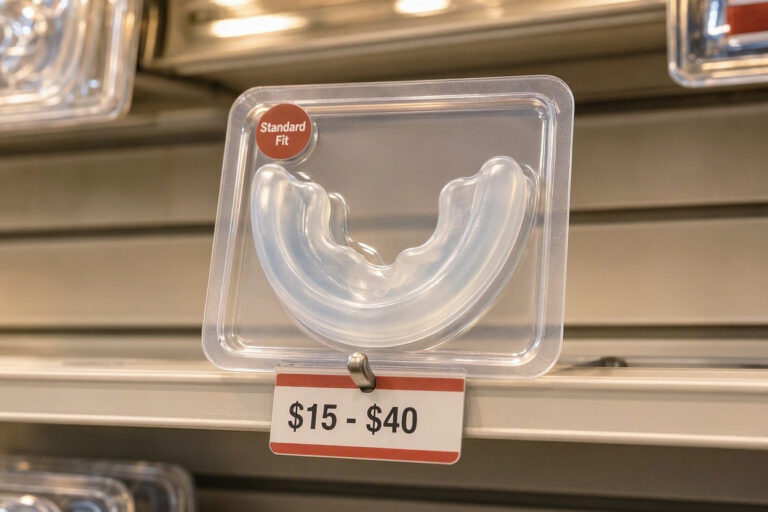
- Use a custom-fitted mouthguard at night if you grind
- Manage stress (a major grinding trigger)
- Avoid chewing on ice, pens, or other hard objects
2. Limit Whitening Products
- Over-the-counter whitening strips can cause sensitivity
- If whitening, use products designed for sensitive teeth
- Limit frequency of whitening treatments
3. Address Acid Reflux
- Treat GERD with medical help
- Don’t lie down immediately after eating
- Rinse with water after acid episodes (wait to brush)
4. Cover Mouth in Cold Weather
Regular Dental Visits
Recommended Schedule:
- Every 6 months for routine checkups and cleanings
- More frequently if you have gum disease or high decay risk
- Immediately if you notice sudden sensitivity
What Dentists Check:
- Early cavities before they cause pain
- Worn or loose fillings
- Gum health and recession
- Cracks or chips
- Enamel erosion”Brushing twice a day and flossing daily are essential to prevent sensitivity caused by gum disease or plaque buildup. Use gentle, circular motions to avoid over-scrubbing.”
Understanding Tooth Pain Types
Different causes of sensitivity produce different types of pain. Understanding what you’re feeling can help you and your dentist identify the problem.
Pain Characteristic Guide
Reversible vs. Irreversible Pulpitis
Reversible Pulpitis:
- Sharp pain that quickly subsides
- Triggered by cold, hot, or sweet
- Inflammation can heal with proper treatment
- Usually caused by early decay or enamel erosion
Irreversible Pulpitis:
- Pain lasts longer than 30 seconds
- May occur spontaneously without trigger
- Pain wakes you up at night
- Requires root canal therapy
Special Considerations
Sudden Sensitivity After Dental Procedures
It’s common to experience some sensitivity after certain dental work. Here’s what to expect:
Tips for Post-Procedure Sensitivity:
- Use desensitizing toothpaste
- Avoid extreme temperatures for first few days
- Take over-the-counter pain relievers if needed
- Contact dentist if sensitivity worsens or persists
Sensitivity in Children vs. Adults
Children:
- Primary teeth can become sensitive from decay
- Sudden sensitivity often indicates cavity
- May be harder for children to describe pain
- Need prompt treatment to protect permanent teeth
Adults:
- More likely to have sensitivity from gum recession
- Old fillings becoming loose are common
- Higher risk of cracked teeth from years of use
- More likely to have underlying conditions like acid reflux
Seniors:
- Gum recession is very common
- More likely to have multiple fillings that may fail
- Medications can cause dry mouth, increasing decay risk
- May have reduced ability to feel pain, delaying treatment
Common Myths About Tooth Sensitivity
Let’s clear up some misconceptions about sudden sensitivity in one tooth.
Myth vs. Fact
Step-by-Step Action Plan
If you’re experiencing sudden sensitivity in one tooth, follow this action plan:
Immediate Actions (First 24 Hours)
- Identify the trigger: Note what causes the pain (cold, hot, sweet, pressure)
- Try desensitizing toothpaste: Apply directly to tooth or brush gently
- Rinse with salt water: 2-3 times today to reduce inflammation
- Avoid triggers: Skip very hot, cold, or sugary foods
- Take pain reliever if needed: Over-the-counter ibuprofen or acetaminophen
Within 2-3 Days
- Start consistent oral care: Brush gently twice daily, floss once daily
- Use fluoride rinse: If available, to strengthen enamel
- Switch to soft-bristled brush: If you’re using medium or hard
- Monitor symptoms: Note if pain is improving, staying same, or worsening
Within 1 Week
- Call your dentist if:
- Schedule appointment for professional evaluation
- Prepare for visit: Write down when sensitivity started, triggers, pain characteristics
Follow-Up Care
- Attend dental appointment: Get professional diagnosis and treatment
- Follow treatment plan: Complete all recommended procedures
- Continue prevention: Maintain good oral hygiene even after treatment
- Schedule regular checkups: Every 6 months to prevent future problems
Questions to Ask Your Dentist
When you visit your dentist for sudden sensitivity, these questions will help you understand your condition:
About Diagnosis
- What’s causing the sensitivity in this tooth?
- Is there decay, a crack, or gum recession?
- Do I need X-rays to see the problem clearly?
- Is the nerve (pulp) affected?
About Treatment
- What treatment options do I have?
- Which option is most likely to provide long-term relief?
- How long will the treatment take?
- Will I need multiple visits?
- What happens if I don’t get treatment?
About Costs and Prevention
- What’s the estimated cost of treatment?
- Does my insurance cover this?
- How can I prevent this from happening again?
- Should I use special toothpaste or mouthwash?
- When should I return for a checkup?
Real-Life Scenarios
Understanding how sudden sensitivity presents in real situations can help you recognize your own symptoms.
Scenario 1: The Morning Surprise
Sarah, 34, woke up and felt sharp pain when brushing her teeth. Only one tooth on the lower left side hurt. She noticed it hurt most with cold water. After checking, she saw a small dark spot near the gumline.
Diagnosis: Early cavity on lower left molar
Treatment: Filling placed, sensitivity resolved within a week
Scenario 2: The Old Filling Problem
Michael, 52, felt a sudden sharp pain when eating ice cream. He realized his old filling in that tooth felt “different.” When he ran his tongue over it, he felt a rough edge.
Diagnosis: Loose filling exposing dentin
Treatment: New filling placed, sensitivity resolved immediately
Scenario 3: The Weekend Warrior
Jennifer, 28, bit down on a hard piece of candy and felt immediate sharp pain in one front tooth. The pain continued when she ate anything cold.
Diagnosis: Cracked tooth
Treatment: Dental crown placed to protect the tooth
Scenario 4: After Whitening
David, 41, used whitening strips for the first time. The next day, his front teeth were extremely sensitive, but one tooth was much worse than the others.
Diagnosis: Whitening-induced sensitivity on tooth with thin enamel
Treatment: Stopped whitening, used desensitizing toothpaste for 2 weeks, sensitivity resolved
Cost Considerations
Understanding treatment costs can help you prepare financially. Prices vary by location and insurance coverage.
Estimated Treatment Costs (Without Insurance)
| Treatment | Average Cost Range |
|---|---|
| Dental examination | $50-$150 |
| X-rays | $50-$200 |
| Simple filling | $90-$250 |
| Large filling | $200-$400 |
| Dental crown | $800-$1,500 |
| Root canal (front tooth) | $600-$900 |
| Root canal (molar) | $900-$1,500 |
| Gum graft | $600-$1,200 per tooth |
| Fluoride treatment | $20-$50 |
Note: Insurance typically covers 50-80% of restorative procedures
Cost-Effective Prevention
Investing in prevention is far cheaper than treatment:
- Desensitizing toothpaste: $5-$15 per month
- Soft toothbrush: $3-$10, replace every 3 months
- Regular cleanings: $75-$200 (often fully covered by insurance)
- Fluoride rinse: $5-$10 per month
Preventive care costs a fraction of restorative treatments and prevents pain and complications.
Impact on Daily Life
Sudden sensitivity in one tooth can significantly affect your quality of life.
Common Effects
Eating and Drinking:
- Avoiding favorite foods (ice cream, hot coffee, citrus)
- Chewing on one side of mouth
- Skipping meals due to pain
- Difficulty eating temperature extremes
Oral Hygiene:
- Fear of brushing the sensitive tooth
- Avoiding flossing near the area
- Reduced overall oral care
Emotional Impact:
- Frustration with unexpected pain
- Anxiety about dental visits
- Self-consciousness about tooth pain in social situations
- Worry about cost of treatment
Sleep:
- Pain waking you at night (especially with abscess)
- Difficulty falling asleep due to discomfort
- Fatigue from poor sleep quality
Addressing sensitivity promptly improves all aspects of daily life and prevents these negative effects.
Technology and Advances in Treatment
Dental technology continues to improve how we diagnose and treat tooth sensitivity.
Modern Diagnostic Tools
Digital X-rays:
- Lower radiation than traditional X-rays
- Immediate images
- Enhanced for detecting early decay
Intraoral Cameras:
- Show you exactly what the dentist sees
- Helps identify cracks and problems
- Improves understanding of your condition
Laser Detection:
- Devices like DIAGNOdent detect early decay
- More accurate than visual examination alone
- Can find problems before they cause symptoms
Advanced Treatment Options
Bonding Materials:
- Stronger, more natural-looking composites
- Better adhesion to tooth structure
- More durable fillings
Desensitizing Agents:
- New formulations that work faster
- Longer-lasting relief
- Applied professionally for immediate effect
Minimally Invasive Dentistry:
- Preserving more natural tooth structure
- Air abrasion instead of drilling for small cavities
- Sealants that prevent decay before it starts
When to Seek Emergency Care
Some situations require immediate emergency dental care.
Emergency Signs
Call an emergency dentist immediately if you have:
- Severe pain that prevents sleep or daily activities
- Swelling in face, jaw, or gums
- Fever with tooth pain
- Pus or drainage from the tooth or gums
- Trauma to the tooth (knocked out, broken in half)
- Difficulty breathing or swallowing with tooth pain
Emergency vs. Urgent vs. Routine
| Level | Signs | When to Act |
|---|---|---|
| Emergency | Severe pain, swelling, fever, trauma | Immediately (within hours) |
| Urgent | Worsening pain, visible damage, loose tooth | Within 24-48 hours |
| Routine | Mild sensitivity, occasional pain | Schedule within 1-2 weeks |
Building Good Oral Health Habits
Long-term prevention requires consistent habits.
Morning Routine
- Brush with soft-bristled toothbrush for 2 minutes
- Use fluoride toothpaste (or desensitizing if needed)
- Floss gently
- Rinse with water (not mouthwash right after brushing)
- Drink water throughout the morning
Evening Routine
- Brush thoroughly for 2 minutes
- Floss carefully between all teeth
- Apply desensitizing toothpaste to sensitive tooth if needed
- Don’t rinse after brushing—let fluoride work overnight
- Avoid eating or drinking (except water) after brushing
Weekly Habits
- Check teeth with mirror for loose fillings or changes
- Note any new sensitivity or pain
- Consider oil pulling 2-3 times per week
- Review diet—limit acidic and sugary foods
Monthly Checks
- Replace toothbrush if bristles are worn
- Review oral care routine for areas needing improvement
- Track if sensitivity is improving or worsening
- Plan dental visit if due
The Science Behind Tooth Sensitivity
Understanding the science helps you appreciate why certain treatments work.
How Sensitivity Works
Dentinal Tubules:
- Dentin contains thousands of microscopic tubes (tubules)
- Each tubule leads directly to the nerve in the pulp
- When enamel or gums are gone, these tubes are exposed
- Stimuli (cold, hot, sweet) travel through tubules to nerve
- Nerve sends pain signal to brain
Hydrodynamic Theory:
- Fluid inside dentinal tubules moves when stimulated
- This movement triggers nerve endings
- Blocking fluid movement reduces pain
- Desensitizing toothpastes work by blocking tubules
Why Treatments Work
Desensitizing Toothpaste:
- Potassium nitrate: Calms nerve endings
- Stannous fluoride: Blocks dentinal tubules
- Arginine + calcium carbonate: Plugs tubules physically
Fluoride Treatment:
Bonding/Fillings:
Living with Chronic Sensitivity
Some people experience ongoing sensitivity that requires long-term management.
Management Strategies
Daily Practices:
- Use desensitizing toothpaste consistently
- Brush gently with soft brush
- Avoid triggers when possible
- Rinse after acidic foods/drinks
Professional Care:
- More frequent dental visits (every 3-4 months)
- Regular fluoride treatments
- Early intervention for new problems
Lifestyle Adjustments:
- Diet modifications (less acidic food)
- Mouthguard for grinding
- Treating underlying conditions (acid reflux)
Mindset:
- Accept that some sensitivity may be permanent
- Focus on management rather than cure
- Celebrate improvements, even small ones
- Maintain regular dental care
Summary: Key Takeaways
- Sudden sensitivity in one tooth usually indicates a localized problem like a cavity, cracked tooth, loose filling, or gum recession
- Common causes include tooth decay, broken fillings, cracks, gum recession, recent dental treatment, abscess, and enamel erosion
- Seek immediate care if you have severe pain, swelling, fever, or pain lasting more than 30 seconds
- Home remedies like desensitizing toothpaste, saltwater rinse, and clove oil provide temporary relief
- Professional treatments include fillings, crowns, root canals, gum grafts, and fluoride therapy
- Prevention involves proper brushing, flossing, regular dental visits, and avoiding triggers
- Don’t wait—sensitivity often worsens without treatment, turning a simple filling into a root canal
Conclusion
Sudden sensitivity in one tooth is a common dental problem that signals a specific issue affecting that tooth, such as decay, a cracked filling, gum recession, or a crack. While home remedies like desensitizing toothpaste and saltwater rinses can provide temporary relief, professional dental evaluation is essential for identifying and treating the underlying cause. Early intervention prevents minor problems from becoming serious, saving you pain, time, and money. With proper diagnosis, treatment, and preventive care, you can resolve sudden tooth sensitivity and maintain a healthy, pain-free smile.
FAQ: Frequently Asked Questions About Sudden Sensitivity in One Tooth
1. Why did only one tooth suddenly become sensitive?
Only one tooth becomes sensitive when a localized problem affects that specific tooth, such as a cavity, cracked filling, crack in the tooth, gum recession around that tooth, or trauma. Unlike general sensitivity affecting multiple teeth, single-tooth sensitivity points to a specific issue.
2. How long does sudden tooth sensitivity last?
Duration depends on the cause:
- After dental procedures: 1-2 weeks typically
- Mild enamel erosion: 2-4 weeks with desensitizing toothpaste
- Cavity without treatment: Persists and worsens over time
- Cracked tooth: Continues until treated
- Abscess: Won’t resolve without professional treatment
3. Can sudden sensitivity go away on its own?
Mild sensitivity from recent whitening or minor enamel irritation may improve on its own in 1-2 weeks. However, sensitivity from cavities, cracks, loose fillings, or abscesses will not resolve without professional treatment and often worsens over time.
4. Is sudden sensitivity in one tooth an emergency?
It’s an emergency if accompanied by severe pain, swelling, fever, pus, or difficulty swallowing. For mild to moderate sensitivity without these symptoms, schedule a dental appointment within a week. Don’t wait indefinitely, as most causes won’t improve without treatment.
5. What’s the best toothpaste for sudden sensitivity?
Look for toothpaste containing potassium nitrate or stannous fluoride, which are clinically proven to reduce sensitivity. Apply a small amount directly to the sensitive tooth and leave it there for a few minutes before bed. Use consistently for 2-4 weeks for best results.
6. Can I brush my teeth if one tooth is sensitive?
Yes, brush gently with a soft-bristled toothbrush. Use circular motions, not harsh scrubbing. Avoid brushing too hard—as a test, press your brush against a ripe tomato; if it leaves indentations, you’re pressing too hard.
7. Will cost of treatment be high?
Cost varies by treatment:
- Filling: $90-$250
- Crown: $800-$1,500
- Root canal: $600-$1,500
- Many insurance plans cover 50-80% of restorative procedures. Early treatment (filling) is much cheaper than waiting (root canal + crown).
8. Can teeth whitening cause sensitivity in one tooth?
Yes, whitening products can cause sensitivity, especially if one tooth has thinner enamel or existing dental work. This sensitivity usually resolves within 24-48 hours after stopping whitening. Use whitening products designed for sensitive teeth if you’re prone to sensitivity.
9. Should I see a dentist immediately or wait?
See a dentist immediately if you have severe pain, swelling, fever, or trauma. For mild sensitivity, schedule within 1-2 weeks. Don’t wait more than a month, as most causes will worsen without treatment.
10. Can I prevent sudden sensitivity in the future?
Yes, by:
- Brushing gently with soft brush twice daily
- Flossing daily
- Using fluoride toothpaste
- Limiting acidic and sugary foods
- Wearing a mouthguard if you grind teeth
- Seeing your dentist every 6 months
- Avoiding excessive whitening products
Additional Resource
For more information on tooth sensitivity and oral health:
Colgate Oral Health: Is One Sensitive Tooth a Serious Issue?
This comprehensive resource from Colgate provides expert guidance on when to seek care and what to expect during treatment.
Meta Description
Experiencing sudden sensitivity in one tooth? Learn the top causes (cavity, cracked tooth, loose filling, gum recession), quick home remedies for relief, when to see a dentist, and professional treatment options. Get expert advice on preventing and treating single-tooth sensitivity effectively.
Disclaimer
This article provides general information about sudden sensitivity in one tooth and is not intended as medical or dental advice. Every individual’s situation is unique. Always consult with a qualified dentist or healthcare provider for diagnosis and treatment of dental problems. Do not delay seeking professional dental care based on information read in this article. If you experience severe pain, swelling, fever, or other signs of infection, seek immediate emergency dental care.