Why Your Tooth Pain Is Causing Ear Pain
You wake up in the middle of the night with a throbbing sensation. The discomfort seems to radiate from deep within your jaw, but you feel it mostly in your ear. You wonder if you have an ear infection. You might schedule a visit with your general doctor. Surprisingly, the root of the problem often lies not in your ear canal, but in your mouth. Tooth pain causing ear pain is one of the most commonly misdiagnosed pain patterns in the human body.
The phenomenon is not a medical mystery, but it is a master of disguise. The nerves in your face and skull intertwine in a complex web. When a nerve branch in your tooth sends a distress signal, your brain sometimes struggles to pinpoint the exact source. It interprets the signal as coming from the ear. This is called referred pain. Understanding this connection saves you time, money, and prolonged suffering. It prevents you from treating an ear infection that does not exist and directs you to the dental care you actually need.
This guide serves as your definitive resource. We will explore the anatomy that links your molars to your eardrums. We will identify the specific dental conditions that mimic middle ear infections. We will distinguish between a toothache, an ear infection, and the temporomandibular joint disorder that often bridges the two. You will learn when to see a dentist, when to see a doctor, and how to manage the pain at home in the meantime. We prioritize realistic, actionable advice. We avoid jargon and provide clear explanations that empower you to advocate for your health.
The journey from a decayed tooth to a raging earache is shorter than you think. By the end of this article, you will have a roadmap to diagnosis and relief.

Understanding Referred Pain: The Neurological Crossroads
To grasp why tooth pain causing ear pain happens, you must first understand referred pain. This concept is fundamental to diagnosing the ache you feel. The human nervous system is a vast communication network. Sensory nerves converge in the spinal cord and brainstem before sending signals to the brain. Sometimes, signals from different parts of the body travel along shared pathways. When the brain receives a strong pain signal, it can misread the map and project the sensation to a different location served by the same nerve bundle.
Imagine a major highway with multiple on-ramps. The brain is the destination city. If a severe accident occurs on Ramp A, the traffic jam backs up onto the main highway. Cars entering from Ramp B, which is clear, still get stuck. The brain knows there is a traffic jam on the highway but cannot always tell which on-ramp caused it. In your head, the trigeminal nerve is that highway. It is the largest cranial nerve and supplies sensation to the teeth, the jaw, the face, and parts of the ear.
When inflammation or infection irritates a branch of the trigeminal nerve in a lower molar, the pain signal races to the brainstem. Because the ear also sends signals to a very close processing center, the brain often interprets the input as ear pain. The dental source becomes a phantom, and the ear becomes the screaming victim. This is not a sign of a weak brain. It happens to everyone. It is a quirk of how the nervous system evolved.
The Role of the Trigeminal Nerve
The trigeminal nerve is the primary culprit in this confusion. It splits into three major branches. The ophthalmic branch goes to the eye and forehead. The maxillary branch goes to the upper jaw, sinuses, and palate. The mandibular branch goes to the lower jaw, chewing muscles, and importantly, it connects to the auriculotemporal nerve. This small nerve supplies sensation to the skin of the ear canal and the tympanic membrane, which is your eardrum.
When a lower molar develops an abscess, it directly inflames the mandibular branch. The inflammation travels along the nerve sheath. It sparks pain in the auriculotemporal branch, landing squarely in the ear. The ear canal itself is perfectly healthy. There is no wax buildup or bacterial infection in the middle ear. Yet the pain feels identical to a severe otitis media. A dentist can touch the offending tooth, and the patient will feel a sharp twinge deep in the ear. This connection is so reliable that dentists often check for ear pain when diagnosing cracked teeth.
“The ear and the lower teeth share a common embryological origin and nerve supply. It is not surprising that pain jumps between these structures so easily.” — A common observation in neurological studies of the orofacial region.
Dental Conditions That Radiate Pain to the Ear
Not every toothache causes ear pain. The location of the dental problem matters immensely. The proximity to the shared nerve pathways determines whether the pain stays local or travels. Usually, problems in the lower back teeth cause ear pain. Upper teeth tend to cause pain in the sinus areas, the cheek, or the temple. However, some upper molar issues can radiate to the ear if the inflammation is severe enough.
Let us explore the specific dental conditions that most frequently result in tooth pain causing ear pain. We will look at the mechanism, the distinct sensations, and the consequences of ignoring them.
Pulpitis: The Agonizing Cry of an Inflamed Nerve
Inside the hard enamel and dentin of a tooth lies the pulp chamber. This chamber is a soft, living tissue containing blood vessels and nerves. Pulpitis refers to inflammation of this dental pulp. It ranges from reversible to irreversible. Reversible pulpitis occurs when a short, sharp pain hits the tooth because of cold or sweet food, but the pain disappears quickly. Irreversible pulpitis happens when the nerve is dying, causing lingering, throbbing pain that wakes you from sleep.
When irreversible pulpitis affects a lower molar, the pain rarely stays in the tooth. The nerve inflammation inside the rigid, unyielding walls of the tooth creates intense pressure. This pressure has nowhere to go. The electrical storm travels down the roots and into the jawbone. It follows the inferior alveolar nerve, which merges with the mandibular branch, and finally reaches the ear. The pain often comes in waves. It has a heartbeat-like rhythm. Lying down makes it worse because blood flow to the head increases, putting more pressure on the trapped nerve.
Symptoms of Pulpitis-Related Ear Pain:
- Deep, throbbing ache in the ear without itching or discharge.
- Sensitivity to hot liquids that lingers long after the drink is gone.
- Pain that worsens when you bend over or lie down.
- Difficulty pinpointing the exact painful tooth; the whole side of the jaw hurts.
Patients frequently visit an Ear, Nose, and Throat (ENT) specialist first. The ENT sees a clean, pearly gray eardrum and normal hearing. They rule out infection and refer the patient to a dentist. A simple percussion test, where the dentist taps on the teeth, often reveals the guilty one. The tapping sends a sharp, electric shock through the jaw directly into the ear. An X-ray might or might not show a cavity. Sometimes the decay is under an old filling, invisible to the naked eye.
Periapical Abscess: The Silent Spread of Infection
If irreversible pulpitis goes untreated, the nerve tissue dies completely. It becomes a breeding ground for bacteria. The bacteria travel out of the root tip into the surrounding bone. The body’s immune system attacks, creating pus. This is a periapical abscess. The pressure builds within the confined space of the jawbone. The pain transforms from a throbbing nerve pain to a deep, relentless, boring pressure pain.
An abscess in a lower molar can cause a medical emergency. The swelling does not always stay in the mouth. It can spread into the floor of the mouth, the throat, and the spaces around the airway. This is Ludwig’s angina, a life-threatening condition. Before it gets that severe, the referred ear pain becomes constant. The ear feels full, pressurized, and deeply painful. Chewing feels impossible. The tooth feels “high” or raised, as if it grew overnight. This is because the fluid and pus push the tooth slightly out of its socket.
A doctor might see a slightly red eardrum and prescribe antibiotics. The ear pain might temporarily decrease as the antibiotics reduce the abscess bacteria. However, the source of the infection remains inside the tooth. The pain returns with a vengeance unless a dentist performs a root canal treatment to clean out the infected canals or extracts the tooth. A classic hallmark of an abscess is that cold water might actually relieve the pain temporarily while heat makes it excruciating. This is due to gas expansion inside the closed chamber of the tooth.
Abscess Warning Signs:
- Feeling of a lump or pressure in the ear.
- Slight facial swelling near the jaw angle.
- Foul taste in the mouth if the abscess drains.
- Slight mobility of the tooth.
- Fever and general malaise.
Cracked Tooth Syndrome: The Intermittent Phantom
Cracked tooth syndrome is one of the most difficult diagnoses in dentistry. It causes erratic, bizarre pain patterns that can torment a patient for months. A crack in a tooth can be hair-thin, invisible on X-rays, and located below the gum line. When you bite down on something hard, the crack opens microscopically. This movement irritates the pulp nerve inside. When you release the bite, the crack snaps shut, sending a fluid wave through the dentin tubules that triggers a sharp, electric pain.
The pain from a cracked lower molar does not follow a simple path. It often radiates directly to the ear, mimicking trigeminal neuralgia. Patients describe it as a stabbing sensation in the ear when chewing a piece of bread or a seed. It is fleeting but intense. They learn to chew on the other side. They avoid cold drinks. The pain rarely shows up on a standard painless exam because it requires a specific biting force vector. Dentists use a tool called a “Tooth Slooth” or a biting stick to test individual cusps. When the patient bites on the precise cusp and releases, the ear pain erupts.
This condition highlights the subtlety of tooth pain causing ear pain. There is no cavity, no abscess, and no visible infection. The crack allows microscopic fluid movement that triggers the nerve. If you leave a cracked tooth too long, the crack deepens. It enters the pulp. Bacteria invade. It turns into an abscess. The intermittent pain becomes constant. Saving the tooth with a root canal and a crown becomes harder if the crack extends into the root. A dentist might use a microscope or a cone-beam CT scan to find the crack.
Impacted Wisdom Teeth: The Late Bloomer’s Revenge
Wisdom teeth, or third molars, erupt between the ages of 17 and 25. For many people, the jaw lacks enough space to accommodate these teeth. They become impacted, which means they are stuck against the second molar or angled within the jawbone. A partially erupted wisdom tooth creates a flap of gum tissue called an operculum. Food and bacteria get trapped under this flap, causing pericoronitis. This is an infection of the gum around the tooth.
The proximity of lower wisdom teeth to the mandibular nerve canal makes them a prime suspect for ear pain. As the tooth tries to erupt, it pushes against bone and nerves. The inflammation transmits directly to the ear. Patients often think they have an ear infection or even temporomandibular joint dysfunction. The pain feels like a dull ache deep in the ear, sometimes accompanied by a sore throat on that side and difficulty opening the mouth. The lymph nodes under the jaw might swell.
Pericoronitis pain can fluctuate. It gets worse, then better, then worse again. The cycle repeats as the tooth tries to break through. The chewing motion rubs the upper tooth against the swollen gum, worsening the inflammation. A dentist diagnoses this easily with a panoramic X-ray showing the angulated tooth pressing against the nerve canal. Extraction is the standard solution. After removal, the ear pain disappears, often immediately, replaced by the post-surgical discomfort of the socket, which is a different, localized pain.
Bruxism: The Overuse Injury
Bruxism involves grinding or clenching the teeth, often during sleep. It exerts massive forces on the teeth, jaw muscles, and temporomandibular joints. People who grind their teeth wake up with jaw stiffness, headache, and tooth pain causing ear pain. The mechanism differs from a nerve infection. Here, the pain comes from muscle fatigue and ligament strain.
The masseter muscle, a powerful chewing muscle, attaches to the lower jaw and the cheekbone. Its neighbor, the medial pterygoid, lifts the jaw. When you clench, these muscles work overtime. They become ischemic, meaning they lack blood flow and oxygen. They build up lactic acid. The pain refers to the teeth and the ear. The earache is usually a dull morning ache that dissipates as the muscles warm up. The teeth feel sore all over, not just in one spot. You might see flattened tooth cusps and ridges on your tongue or cheek from biting.
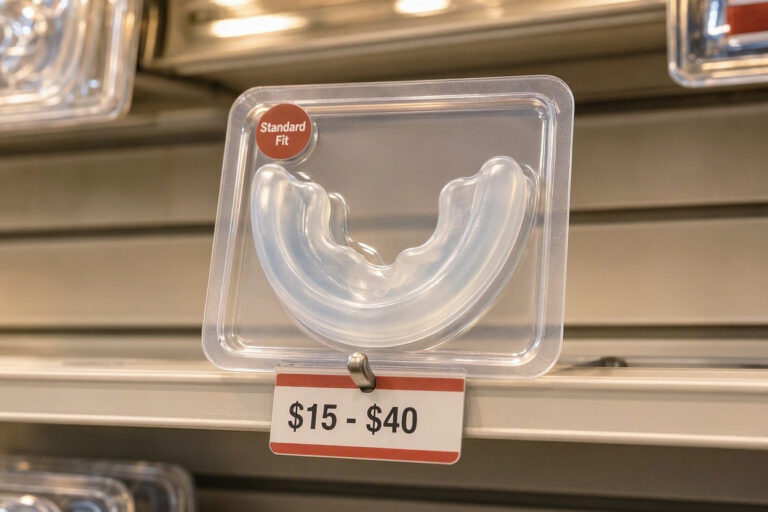
An important note: Chronic bruxism causes tooth fractures and pulpitis. So, the muscle pain can mask an underlying nerve issue. The ear pain might start as muscular but, over time, a crack develops in a molar. The pain pattern shifts to a sharper sensation. This combination makes diagnosis tricky. A dentist might need to fit you with a night guard to protect the teeth and rule out muscle pain first. If the ear pain stops with the guard, it was muscle-related. If a sharp pain persists, they investigate further for a crack.
The TMJ Factor: The Joint That Mimics Everything
The temporomandibular joint connects the jaw to the skull. It sits directly in front of the ear. You can feel it by placing a finger just in front of your ear canal and opening and closing your mouth. The joint has a disc of cartilage that cushions the movement. When this system malfunctions, it creates a condition called Temporomandibular Dysfunction (TMD).
TMD is a master of disguise. It causes ear pain even when the teeth and ears are perfectly healthy. It creates a buzzing intersection between dentistry and audiology. Many people attribute their TMD-related ear pain to a tooth infection. Others believe they have a chronic ear infection.
How TMD Causes Ear Pain
The relationship is anatomical. The back of the jaw joint capsule borders the front wall of the ear canal. The ligament that supports the eardrum bone, the malleus, attaches to the jaw joint capsule. When the jaw joint is inflamed, the inflammation spreads to this ligament. The eardrum pulls slightly, causing a sensation of fullness, pain, or even tinnitus. This is why patients with TMD often complain of a blocked ear. Their hearing might feel muffled. They might hear ringing. An ENT looks in the ear and sees nothing because the blockage is not wax or fluid; it is a physical pull on the eardrum from the swollen joint.
Spasms in the lateral pterygoid muscle can also pull on the joint disc, causing a clicking sound. This click transmits acoustically through the bone and the ear canal. The patient hears a loud pop or grinding sound inside the ear when chewing. They might think it is a piece of wax rubbing against the eardrum. In reality, it is the jaw joint disc slipping. The pain often feels like a deep earache. It increases with jaw use: talking, yawning, chewing gum.
Differentiating TMD from a Tooth Infection
This distinction is critical. Treating TMD with a root canal is an expensive, irreversible mistake. Treating a tooth abscess with a night guard leads to a spreading infection. Use this comparative table to understand the key differences.
| Feature | TMD (Joint/Muscle) | Tooth Infection (Pulpitis/Abscess) |
|---|---|---|
| Pain Location | Diffuse, in front of the ear, temple, and cheeks. | Localized to one tooth, often under the eye or along the jaw. |
| Ear Symptoms | Fullness, tinnitus, clicking noise when opening. | Deep throbbing pain, no noise, no fullness. |
| Thermal Sensitivity | None. Cold/heat do not change the pain. | Sharp, lingering pain to hot or cold. |
| Bite Sensitivity | General soreness of teeth on one side. | Sharp, electric pain on a specific tooth. |
| Temporal Pattern | Worse in the morning or after meals. | Constant, worsens when lying down. |
| Joint Noise | Clicking or popping is present. | Absent. |
The Ligament Connection
“The discomalleolar ligament connects the TMJ disc and capsule directly to the malleus bone of the ear. Any inflammation in the joint literally tugs on the eardrum, creating a perfect illusion of an ear infection.” — A standard anatomical description of the relationship between the jaw and the ear.
If you press on the area just in front of your ear while opening your mouth, and it is exquisitely tender, the problem likely involves the joint. If tapping on a tooth makes your ear feel like it exploded, the tooth is the villain.
Sinusitis and Upper Tooth Pain: The Roof of the Mouth
While lower teeth refer pain to the ear, upper teeth have a different partner in crime: the maxillary sinus. The roots of the upper premolars and molars often protrude into the floor of this air-filled cavity. When the sinus becomes infected due to a cold or allergy, the lining swells. The fluid buildup presses on the tooth roots. The resulting pain mimics a toothache. Patients often visit a dentist convinced they have a cavity in an upper tooth, only to find the teeth are healthy and the sinus is infected.
The reverse is also true, though less common. A severely infected upper molar can perforate the floor of the sinus, causing unilateral sinusitis. The discharge of pus from the sinus can smell foul. This is called odontogenic sinusitis.
Does sinusitis cause ear pain? Yes, indirectly. The pressure from a blocked sinus can affect the Eustachian tube, which connects the middle ear to the throat. This blockage causes negative pressure in the ear, a retracted eardrum, and a dull earache. This is a classic ear fullness during a cold. However, it is rarely the sharp, neuralgic tooth pain causing ear pain that a lower molar produces. The ear pain from sinusitis is a pressure pain, while the tooth-to-ear referral is a nerve pain.
Comparing Sinus and Tooth-Related Ear Pain
- Sinus Ear Pain: Feels like a popped ear, muffled hearing, pain increases when flying or diving. Associated with nasal congestion.
- Tooth-Related Ear Pain: Sharp, stabbing, throbbing. No nasal congestion. Pain increases with hot drinks or biting.
Detailed Symptom Analysis: Is It Your Tooth or Your Ear?
You are at home, in pain. You need to decide whether to call your doctor or your dentist. This decision-making process saves you a wasted appointment. We will break down the specific characteristics of the pain.
The Quality of Pain
- Sharp, Electric, Stabbing: This suggests nerve involvement from a crack, exposed dentin, or trigeminal neuralgia. If triggered by chewing, it is likely a tooth. If triggered by touch on the face, it might be neuralgia.
- Throbbing, Beating, Rhythmic: This is a hallmark of inflammation and increased blood flow, usually pulpitis or abscess. If it keeps time with your heartbeat and worsens lying down, think tooth.
- Dull, Pressure, Aching: This is more typical of muscle pain from bruxism or a mild TMD flare-up. If your teeth feel generally sore and your jaw muscles are tired, think bruxism. A middle ear infection also causes a dull, persistent ache.
- Itchy, Sharp, and Bubbly: This is almost always an actual ear infection or fluid in the middle ear. Dental issues do not cause an itchy ear canal sensation.
Triggers and Relievers
Observe what makes the pain change. For a tooth problem, temperature is the biggest trigger. Sip hot coffee. Does a shocking pain shoot from your jaw to your ear that lasts 20 seconds? That is pulpitis. Sip cold water. Does the pain briefly disappear? That suggests an abscess with gas buildup. Does biting on a cotton swab reproduce the exact ear pain? That confirms a tooth crack.
For an ear infection, pulling on the earlobe or pushing on the little cartilage flap in front of the canal (the tragus) is painful. This indicates an outer ear infection (swimmer’s ear). A middle ear infection hurts regardless of touching the external ear. Jaw movement can hurt with an ear infection because the infected eardrum is sensitive to vibration, but tapping on teeth does not change the pain.
Associated Visual and Physical Signs
Look inside your mouth. Use a flashlight and a mirror. Do you see a swollen, red gum area around a specific tooth? Is there a pimple-like bump on the gum? That is a fistula, a drain tract for an abscess. The presence of a gum boil confirms a dental origin with 100% certainty. Check your face. Swelling on the jawline suggests a dental abscess. Swelling directly behind the ear lobe or in the neck suggests an ear infection or mumps.
Take your temperature. A fever can accompany both a spreading dental infection and a bacterial ear infection. Listen to your ear. A clicking sound when you open wide points to the TMJ.
Diagnostic Journey: From the Doctor’s Office to the Dental Chair
The path to diagnosing tooth pain causing ear pain often involves multiple specialists. This triage process can be frustrating. We map out the typical steps so you know what to expect.
The General Practitioner (GP)
Most people start here. You report an earache. The GP looks in your ear with an otoscope. They see a healthy, translucent, light-gray eardrum. There is no redness, no bulging, and no fluid. A normal eardrum rules out otitis media. The GP might see some wax and remove it, but the deep pain persists. A clever GP will then press on your jaw muscles and tap on your teeth. They ask about dental history. A less thorough GP might misdiagnose it as “atypical ear pain” and prescribe antibiotics for an invisible infection. You need to be your own advocate.
“If the ear looks healthy but the patient insists on deep, throbbing pain, I immediately hand them a tongue depressor and ask them to bite down. A cracked tooth or abscess often jumps right out.” — A common diagnostic trick in primary care.
The Otolaryngologist (ENT)
If the pain persists, the GP refers you to an ENT. The ENT performs a microscopic exam of the ear. They might perform a tympanometry test to measure eardrum mobility. If the eardrum moves perfectly, the middle ear is clear. The ENT then checks the nasal passages and throat. They rule out throat cancer causing referred ear pain. Once the ENT clears the ear, nose, and throat, they usually suggest a dental evaluation or a TMJ assessment.
The Dentist
This is where the definitive diagnosis happens. The dentist conducts a systematic examination.
- Visual Exam: Looking for deep decay, cracked fillings, and gum boils.
- Percussion Test: Tapping each tooth with a mirror handle. A painful tooth means an inflamed ligament (periodontitis) or abscess.
- Palpation: Feeling the muscles of mastication for spasms.
- Thermal Testing: Applying a cold cotton pellet or a hot compound to the tooth. The speed of onset, intensity, and duration of the pain tell the dentist the pulp health. A lingering ache to heat is a classic sign of an irreversibly damaged nerve.
- Bite Test: Using a specialized biting stick to isolate cracked cusps.
- Radiographs: A “periapical” X-ray shows the root tip. A “bitewing” checks for decay between teeth. A “panoramic” X-ray shows the wisdom teeth and TMJ joints in a broad view. If a crack is suspected but invisible, a Cone Beam CT (CBCT) provides a 3D image.
Only by combining these tests can a dentist confidently say, “This specific tooth is the source of your ear pain.”
Home Remedies for Immediate Relief
While you wait for your dental appointment, the pain of tooth-to-ear referral can be debilitating. You need sleep. You need to function. These home remedies are not cures. They manage the symptoms temporarily to make life bearable. They do not replace professional treatment.
Pain Management Protocols
- Over-the-Counter Anti-inflammatories: Ibuprofen (Advil, Motrin) is superior to paracetamol for dental pain. Dental pain is largely inflammatory. Ibuprofen reduces the pressure inside the tooth and the nerve. Alternate paracetamol and ibuprofen every three hours for continuous relief.
- Cold Compress: Apply an ice pack wrapped in a cloth to the cheek over the jaw angle for 15 minutes on, 15 minutes off. Ice constricts blood vessels, reduces swelling, and numbs nerve conduction. This is effective for abscess pressure and ear throbbing. Do not use heat. Heat increases blood flow and can transform an abscess from a contained balloon to an explosive spread of infection.
- Elevation: Keep your head elevated on several pillows. Lying flat increases blood pressure in the head, making the throbbing in the tooth and ear unbearable. Sleeping in a recliner is ideal during a flare-up.
Oral Hygiene Support
A food particle trapped in a cavity or under the gum can wick fluid deep into the nerve area. Rinse vigorously with warm salt water. The salt creates an osmotic environment that draws out some inflammatory fluid and soothes the gum tissue. Use about a teaspoon of salt in a glass of warm water. Swish for 30 seconds, twice an hour. If there is a gum flap around a wisdom tooth, a water irrigator on a very low setting can flush out debris. Do not place aspirin directly on the gum. It causes a severe chemical burn.
Ear Drops: A Word of Caution
If the eardrum is intact and the pain is severe, a few drops of warm olive oil can soothe the canal. However, if you have a perforated eardrum from a previous infection, putting anything in the ear is dangerous. Since you do not know if the eardrum is perforated, avoid ear drops unless a doctor has cleared you. The pain is not coming from the ear canal anyway; the oil only provides a comforting warmth, not a medical cure.
Professional Treatments: Solving the Root Cause
Once the dentist identifies the source, definitive treatment can begin. The specific procedure depends on the diagnosis. We outline these treatments so you understand the process and can ask informed questions.
Root Canal Treatment
If the diagnosis is irreversible pulpitis or a chronic abscess, a root canal treatment saves the tooth. The dentist numbs the tooth completely. They place a rubber dam to isolate it. They create a small opening and remove the infected, dying pulp tissue. They clean and shape the tiny canals inside the roots. They fill the roots with a biocompatible material called gutta-percha. Finally, the tooth requires a filling or a crown to restore it.
Expected Outcome for Ear Pain: Once the anesthetic wears off, the deep, referred ear pain vanishes. The nerve is gone. The tooth cannot send signals. There might be a day or two of soreness from the injection site or the ligament around the tooth, but the specific “earache” signal stops immediately. This is one of the most dramatic and rewarding outcomes in dentistry.
Tooth Extraction
Sometimes, a tooth is too decayed to save, the root is cracked, or a wisdom tooth is impacted. Extraction is the removal of the tooth. The dentist numbs the area completely. They loosen the tooth using instruments called elevators and then remove it with forceps.
Healing and the Ear Connection: The ear pain stops. However, a dry socket can occur if the blood clot dislodges from the extraction site. A dry socket causes intense radiating pain that can mimic the original earache but is treated differently, with sedative dressings placed in the socket. Following post-operative instructions prevents this.
TMJ Therapy
If the tooth is healthy and the pain is from TMD, treatment follows a different path. Conservative therapy is the gold standard. This includes:
- Night Guards: A hard acrylic splint that fits over the teeth to prevent grinding and stabilize the joint.
- Physical Therapy: Exercises to stretch and relax the mastication muscles. A common exercise involves placing the tongue on the roof of the mouth and gently opening the jaw without clicking.
- Stress Management: Since stress drives clenching, cognitive behavioral therapy or mindfulness can reduce pain.
- Injections: In severe cases, Botox injections into the masseter and temporalis muscles paralyze them slightly, reducing their clenching force and breaking the pain cycle. This reduces the tugging on the ear ligament.
When to Seek Emergency Care
Tooth pain causing ear pain can sometimes indicate a spreading infection that threatens your life. You must recognize these red flags. Do not wait for a regular appointment.
Life-Threatening Symptoms
- Difficulty Breathing or Swallowing: Swelling in the floor of the mouth or throat pushes the tongue up and back, obstructing the airway. This is a surgical emergency called Ludwig’s Angina.
- Eye Swelling: An upper tooth abscess can spread toward the eye, causing orbital cellulitis. The eyelid swells shut and turns red.
- Facial Swelling Spreading to the Neck: This indicates the infection has breached the local immune defenses and is traveling through the fascial spaces. It requires intravenous antibiotics and surgical drainage.
- High Fever with Confusion: A sign of systemic sepsis.
If the ear pain accompanies any of these signs, bypass the dentist’s office and go directly to the Emergency Department. The priority is securing the airway and stopping the spread of infection with intravenous drugs. The tooth can be addressed later.
Prevention: Guarding the Gateways
The best cure for the misery of tooth-related ear pain is prevention. The dental health connection to the ear nerve means that protecting your teeth protects your ears.
The Daily Shield
Brush twice a day for two minutes. Use a fluoride toothpaste. The fluoride strengthens the enamel against acid attacks from bacteria. Floss every night. The bacteria between teeth cause deep decay that leads to pulpitis. Decay often starts silently between teeth, right at the contact point, undetectable until it is huge. Flossing disrupts this biofilm.
The Professional Shield
Visit a dentist for a checkup and cleaning every six months. The hygienist removes calculus that you cannot brush away. The dentist monitors small cracks with a microscope. They watch suspicious teeth. A small filling now prevents a root canal later. If you grind your teeth, listen for the early signs of morning jaw soreness. A night guard is a fraction of the cost of a root canal and crown.
Special Considerations for Different Life Stages
The experience of referred ear pain changes depending on your age. Anatomy and risk factors shift over a lifetime.
Children and Tooth-Related Ear Pain
Parents often confuse teething pain with ear infections. A baby cutting molars tugs at their ear, drools, and runs a slight fever. The lower first molars erupt around 14-18 months, a prime time for ear infections. A good rule: if you see swollen, red gums with a tooth cusp emerging, and clear nasal mucus, it is likely teething. If the child has a high fever, thick nasal discharge, and a bulging red eardrum, it is an ear infection. Sometimes it is both; teething inflammation might mildly predispose a child to ear fluid buildup.
Cavities in baby teeth cause pulpitis just like in adults. The nerve supply is identical. A child with a large cavity in a lower baby molar can complain of a severe earache. Parents might think it is an infection, but the pediatric dentist finds a deep cavity. The tooth needs a pulpotomy (a children’s root canal) or extraction. Ignoring it causes a dental abscess that can damage the developing permanent tooth underneath.
Older Adults
With age, gum recession increases. The sensitive tooth roots become exposed. Cold air or liquid causes a sharp, fleeting pain. This rarely refers to the ear; it stays in the tooth. However, older adults have more old fillings and crowns. These restorations eventually crack. A crack under a 30-year-old gold crown can cause intermittent ear pain for years before it finally breaks. Dentists must approach the pain of an older patient with a high index of suspicion for hidden fractures.
Frequently Asked Questions
Can a tooth infection spread to my ear and cause hearing loss?
A tooth infection does not directly cross into the ear to cause a middle ear infection with pus. The bone and tissue planes are separate. However, a severe dental abscess in a lower molar causes intense inflammation that can irritate the inner ear nerves or cause Eustachian tube dysfunction, leading to temporary muffled hearing. This resolves once the tooth is treated.
How do I know if it’s my wisdom tooth or an ear infection?
A wisdom tooth eruption (pericoronitis) causes pain when opening the mouth wide, a bad taste, swelling at the very back of the jaw, and pain swallowing. An ear infection usually hurts constantly, and touching the ear hurts. A panoramic X-ray is the definitive test to see if the wisdom tooth is impacted against the nerve.
Why does my tooth and ear hurt when I lie down?
Lying down changes the blood pressure in your head. When you are upright, gravity helps drain blood. Lying flat removes this gradient. The blood vessels inside the confined, rigid tooth pulp swell. They press on the nerve, causing the throbbing pain to increase dramatically and radiate to the ear.
Can ear pain from a tooth go away on its own?
The symptom might fluctuate, but the cause does not heal itself. If the pain is from reversible pulpitis (like a sensitive tooth), treating the cavity fixes it. If it is irreversible pulpitis, the nerve is dying. It might stop hurting when the nerve completely dies, but the infection then leaks into the bone, causing a silent, chronic abscess that can flare up later. The “quiet” period is a trap.
My dentist says my tooth is fine, but my ear still hurts. What now?
Insist on a bite test for a cracked tooth. Ask for a Cone Beam CT scan, which can show abscesses missed by regular X-rays. If the tooth is truly clear, look at the Temporomandibular Joint. See a dentist specializing in orofacial pain. They can differentiate between neuropathic pain, muscle pain, and joint pain. You might need physical therapy or a mouth guard.
Conclusion
Tooth pain causing ear pain is a convincing neurological illusion driven by the shared wiring of the trigeminal nerve. The source is almost always a lower molar suffering from an infection, a crack, or a dying nerve, though the jaw joint often masquerades as the culprit. Accurate diagnosis requires distinguishing between the throbbing, thermal sensitivity of dental disease and the dull, pressure-based ache of muscle or joint dysfunction. Treatment removes the dental source, offering immediate relief, while prevention through consistent oral hygiene and regular checkups remains the only reliable shield against this debilitating referred pain.
Disclaimer: This article is for informational purposes only and does not constitute medical advice. Pain in the head and neck region can signal serious conditions. Consult a qualified dentist or physician immediately for a proper diagnosis and treatment plan.
Additional Resource:
For further reading on the complex relationship between the jaw joint and ear symptoms, visit the American Academy of Orofacial Pain (aaop.org). They provide a directory of board-certified specialists who manage TMD and related referred ear pain.