What Are the Disadvantages of All-on-4 Dental Implants?
You have heard the glowing promises. A full arch of fixed teeth in one day. No more dentures. A permanent, beautiful smile. The All-on-4 technique is often marketed as a miracle solution, and for many patients, it genuinely is life-changing. But no medical procedure is without its downsides. If you are considering investing tens of thousands of dollars and undergoing significant surgery, you deserve a complete, unvarnished picture.
The All-on-4 treatment concept, while highly successful, has specific disadvantages, limitations, and potential complications that every prospective patient must understand. These are not reasons to avoid the procedure, but they are realities to prepare for. An informed patient is a satisfied patient.
This guide will explore the honest disadvantages of All-on-4 implants. We will cover the surgical risks, the prosthetic limitations, the hygiene challenges, the long-term maintenance burden, and the psychological adjustments required.
Disadvantage 1: It Is a Significant Surgical Procedure
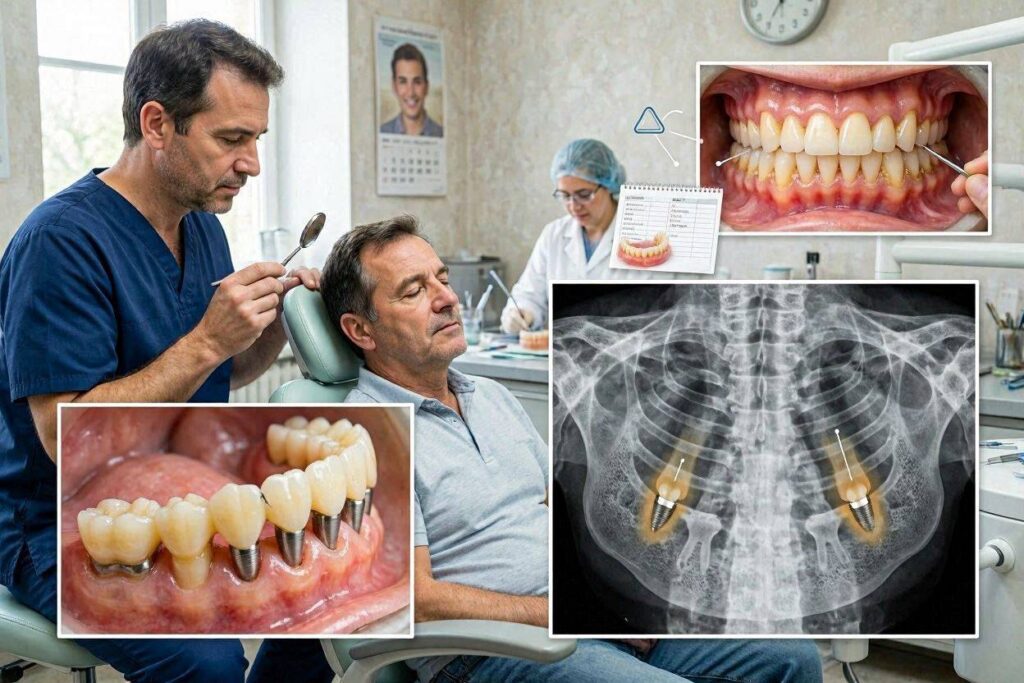
The marketing term “Teeth in a Day” can make the procedure sound quick and simple. It is not. All-on-4 surgery is a major oral surgical procedure.
The Surgical Reality
On surgery day, the patient undergoes extraction of all remaining teeth in the arch, which can be numerous and traumatic. The bone is then leveled (alveoloplasty) to create a flat platform for the prosthesis. Four implants are drilled into the bone at precise angles. The tissues are sutured. The temporary prosthesis is attached.
The procedure typically takes 2.5 to 4 hours per arch. The patient is under local anesthesia with sedation or general anesthesia. The post-operative swelling, bruising, and discomfort are significantly greater than for a single implant. Patients should expect to take at least a week away from normal activities for recovery.
The Anatomical Risks
As with any implant surgery, there are risks. Because the posterior implants are angled, they are placed in proximity to the mental nerve (in the mandible) or the maxillary sinus (in the maxilla). A CBCT scan and careful planning mitigate these risks, but they are never zero. Nerve damage can cause temporary or permanent numbness of the lip, chin, or tongue. Sinus perforation can lead to chronic sinus issues.
The Patient Selection Reality
Not everyone is a candidate. Uncontrolled diabetics, heavy smokers, patients with severe osteoporosis on IV bisphosphonates, and those with certain psychological conditions are not suitable candidates. The procedure requires a healthy healing capacity.
Disadvantage 2: The Prosthesis Is Not Like Natural Teeth
The final All-on-4 prosthesis is a remarkable feat of engineering, but it is not the same as having your natural teeth back.
The Altered Sensation
Natural teeth have a periodontal ligament that provides exquisite proprioceptive feedback. You can feel the texture of food, the crunch of a seed. An implant-supported prosthesis is rigidly fixed to the bone. You feel pressure and vibration, but you lose the fine tactile discrimination. This is a permanent sensory alteration that most patients adapt to, but it is a genuine loss.
The Acrylic Teeth (On Metal-Acrylic Hybrids)
If you choose a metal-framework with bonded acrylic teeth, these teeth will not feel like porcelain. They have a slightly different texture. More importantly, they will wear down over time. Acrylic teeth are softer than natural enamel or porcelain. They lose their sharpness and can become flat and dull-looking after a decade or so. They can also stain and discolor if not kept meticulously clean.
The Sound
A full-arch metal-acrylic prosthesis can produce a slightly different sound when you tap your teeth together. It lacks the high-frequency crispness of natural enamel on enamel. Some patients find this disconcerting, though most notice it only fleetingly.
The Bulk
The prosthesis has a certain thickness to accommodate the framework. It covers the entire palate in the upper jaw in some designs, though most modern All-on-4 prostheses are horseshoe-shaped, leaving the palate open. Still, the prosthesis feels larger in the mouth than natural teeth. Speech adaptation is required. Sibilant sounds like “s” and “sh” may be affected initially and require practice to normalize.
Disadvantage 3: The Hygiene Commitment Is Demanding
This is perhaps the most underestimated disadvantage by prospective patients. An All-on-4 prosthesis is not a “no-maintenance” solution. It requires a rigorous, time-consuming daily hygiene routine.
The Underside Plaque Trap
The prosthesis sits off the gum tissue. The space between the underside of the bridge and the gums becomes a reservoir for food debris and bacterial biofilm. If not cleaned daily, the biofilm matures, calcifies, and causes inflammation of the gums (peri-implant mucositis) and eventual bone loss (peri-implantitis).
The Required Tools
A toothbrush alone is woefully insufficient. The All-on-4 patient needs a water flosser with a special tip to flush the underside. Super floss or a floss threader to wrap around each implant abutment. Soft interdental brushes to clean between the prosthesis and the gums. Rubber-tip stimulators. The daily routine takes significant time and dexterity.
The Consequence of Neglect
If hygiene is neglected, peri-implantitis can develop rapidly. Bone loss around the angled implants can be difficult to manage. A failing implant in an All-on-4 configuration can compromise the entire prosthesis. The promise of a “permanent” solution is entirely dependent on the patient’s lifelong commitment to hygiene.
Disadvantage 4: The Need for Permanent Professional Maintenance
An All-on-4 prosthesis is not a “set it and forget it” device. It requires professional maintenance for the rest of your life, typically every three to four months.
The Cost of Maintenance
These are not routine six-month cleanings. The dentist or hygienist must remove the prosthesis, which requires unscrewing the prosthetic screws. The prosthesis is cleaned in an ultrasonic bath. The implant abutments are carefully scaled with plastic or titanium instruments. The underlying tissues are examined. The prosthetic screws are checked and re-torqued. The O-rings or seals are replaced if worn. The prosthesis is then re-seated, and the screw access holes are filled with new composite.
Each maintenance visit is more complex and more expensive than a standard dental cleaning. This is a recurring, lifetime cost that must be factored into the financial decision.
Disadvantage 5: Mechanical and Prosthetic Complications
The All-on-4 prosthesis is a mechanical device. Mechanical things break, wear out, and need repair.
Prosthetic Tooth Fracture and Wear
As mentioned, acrylic teeth wear down, chip, and fracture. Individual teeth can be repaired chairside or by a laboratory, but this is an ongoing maintenance cost. A zirconia bridge is much more durable but can still chip porcelain.
Screw Loosening
The prosthetic screws that hold the bridge to the multi-unit abutments can loosen over time. A loose screw creates a micro-gap, leading to a bad taste, inflammation, and potential infection. Annual torque checks are essential.
Framework Fracture
In rare, severe overload situations, or if the cantilever is too long, the metal framework itself can fracture. This is a catastrophic failure requiring a completely new prosthesis.
Disadvantage 6: The Irreversibility and Psychological Weight
The All-on-4 procedure is irreversible. All remaining teeth in the arch are removed. The bone is reduced. There is no going back to natural teeth. If the All-on-4 fails catastrophically years later due to bone loss, the patient may be left with a severely atrophic jaw that is extremely difficult to restore with anything other than a new, more complex implant solution, or a complete denture.
This finality can carry a psychological weight. Some patients experience a period of grief for the loss of their natural teeth, even if those teeth were failing and painful. The new teeth feel foreign. Adapting to the altered sensation takes time. A supportive clinical team and realistic pre-surgical counseling are essential.
Disadvantage 7: The High Initial Cost
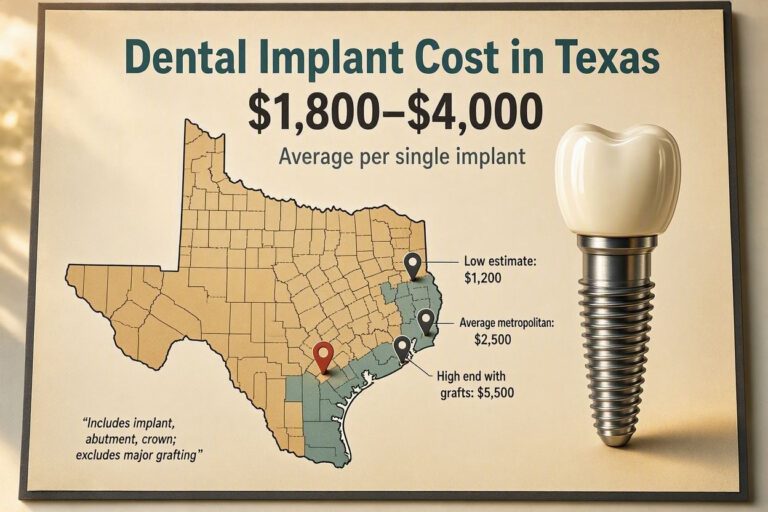
The All-on-4 procedure is a significant financial investment. The fee for a single arch typically ranges from $15,000 to $30,000 or more, depending on the materials used, the experience of the team, and the geographic location. The cost of the definitive zirconia prosthesis is higher than the metal-acrylic hybrid.
This high upfront cost is a barrier for many patients. While financing options are available, the economic reality is that All-on-4 is not accessible to everyone. Compared to traditional dentures, the initial cost is dramatically higher.
A Balanced Comparison: All-on-4 vs. Traditional Dentures
| Feature | All-on-4 | Traditional Complete Denture |
|---|---|---|
| Stability | Fixed, rock-solid. | Removable, often loose, especially lower. |
| Chewing Efficiency | High, close to natural teeth. | Low, 20-25% of natural dentition. |
| Bone Preservation | Slows resorption through implant stimulation. | Accelerates resorption, leads to facial collapse. |
| Comfort and Speech | Excellent, palate often uncovered. | Bulky, palate covered, affects speech and taste. |
| Hygiene | Demanding daily routine with special tools. | Simple, removed and brushed outside mouth. |
| Maintenance | Expensive, quarterly professional visits. | Inexpensive, periodic relines. |
| Cost | High initial investment. | Low initial cost. |
| Psychological Impact | Feels like having teeth again. | Feels like wearing a prosthetic. |
| Reversibility | Irreversible, teeth and bone removed. | Reversible, teeth preserved if possible. |
Who Should Think Twice?
All-on-4 may not be the ideal choice for:
- Patients unwilling or physically unable to commit to the demanding daily hygiene.
- Patients with a history of severe, uncontrolled peri-implantitis.
- Patients with severe bruxism who refuse to wear a night guard.
- Patients who are heavy smokers and unwilling to quit.
- Patients with unrealistic cosmetic or functional expectations.
- Patients for whom the high initial cost and ongoing maintenance costs are a prohibitive financial strain.
Conclusion
The disadvantages of All-on-4 dental implants include the reality of major oral surgery with attendant risks, the permanent sensory and textural differences from natural teeth, a demanding and time-consuming daily hygiene regimen, the requirement for expensive lifelong quarterly professional maintenance, the potential for mechanical complications like tooth wear and screw loosening, and the irreversible nature of the procedure. These are not trivial drawbacks, but for the properly selected, well-informed patient, they are manageable trade-offs for the life-changing benefit of a fixed, functional, and aesthetic full arch of teeth.
FAQ
1. Can the All-on-4 prosthesis be removed by the patient for cleaning?
No. The All-on-4 prosthesis is fixed and can only be removed by a dentist using specialized instruments. It is cleaned in the mouth. The dentist removes it periodically for deep cleaning and maintenance.
2. Is the All-on-4 procedure more painful than getting a denture?
The surgical procedure itself is performed under anesthesia, so you feel no pain during it. The post-operative recovery is significantly more involved than a denture fitting. There is swelling, bruising, and soreness that lasts one to two weeks. A conventional denture involves no surgery and no post-operative healing, although it may cause sore spots as you adapt.
3. Will food get stuck under my All-on-4 bridge?
Yes, food will inevitably get lodged in the space between the prosthesis and the gums. This is normal and expected. It is why daily use of a water flosser and other specialized cleaning tools is mandatory to dislodge the food and disrupt the bacterial biofilm.
4. What happens if I don’t like my All-on-4 teeth aesthetically?
The temporary prosthesis allows you to evaluate the smile, the tooth shape, and the lip support over several months. Adjustments can be communicated to the laboratory before the definitive prosthesis is fabricated. Once the definitive prosthesis is made, major changes are difficult and require a new prosthesis.
Additional Resource
For a balanced patient perspective on the realities of living with full-arch implant prostheses, visit the patient forums at the American College of Prosthodontists: https://www.gotoapro.org/