What Is Dental Care Centre?
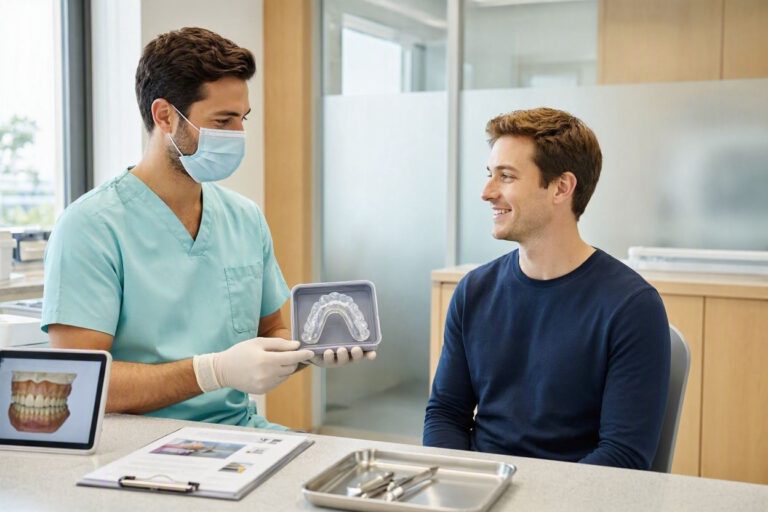
A dental care centre is a comprehensive healthcare facility dedicated to the diagnosis, prevention, and treatment of oral diseases and conditions. Unlike a small private practice with a single dentist and perhaps one hygienist, a dental care centre typically operates as a multi-disciplinary, multi-provider clinic. It integrates a broad range of dental specialties, advanced diagnostic technology, and a large support team under one roof. The defining characteristic is the depth and breadth of services, designed to meet virtually all of a patient’s oral health needs in a single, coordinated location.
The Multi-Specialty Model of Care
The core distinction of a dental care centre is its multi-specialty structure. A patient does not need to travel to separate specialist offices for different procedures. The centre houses general dentists and a team of board-certified or board-eligible specialists who collaborate on complex treatment plans. This integrated model is the standard for large urban clinics, university teaching hospitals, and corporate dental group practices.
A typical dental care centre roster includes a general or family dentist who serves as the primary oral health provider and the gatekeeper for specialist referrals. The centre will also have a periodontist for gum surgery and implant placement, an endodontist for complex root canals, an oral and maxillofacial surgeon for extractions and jaw surgery, an orthodontist for braces and aligners, and a pediatric dentist for children. Some larger centres also include a prosthodontist for full-mouth reconstructions and a dental anesthesiologist for sedation and general anesthesia services.
The Collaborative Treatment Planning Process
This co-location of specialists enables a genuinely collaborative, interdisciplinary approach to complex cases. A patient with a traumatic dental injury, for example, may need an emergency visit with the general dentist, a root canal from the endodontist, gum surgery from the periodontist, and finally a crown from the prosthodontist. In a dental care centre, these practitioners can hold a team meeting, review the cone beam CT scan together on a shared screen, and sequence the treatment in the most logical, efficient order.
The patient benefits from this integration. The medical record is unified. The imaging is all on one digital platform. The specialists can walk down the hall to consult each other directly. This eliminates the fragmented care that often occurs when a patient shuttles between independent practices, carrying a paper referral and a CD of X-rays. The result is a more coherent, more predictable, and often faster treatment journey.
Comprehensive Service Lines Under One Roof
A dental care centre markets itself as a one-stop destination for oral health. The range of services is extensive and categorized into distinct departments, mirroring a medical hospital’s structure on a smaller scale.
General and preventive dentistry forms the base, with routine exams, cleanings, fluoride treatments, and sealants. Restorative dentistry covers fillings, crowns, bridges, and dentures. The surgical department handles extractions, wisdom teeth, dental implant placement, and bone grafting. The endodontic department manages all root canal therapy. The orthodontic department offers metal braces, ceramic braces, and clear aligner therapy. The pediatric wing is specially designed, often with child-friendly décor, smaller equipment, and dentists with specialized training in managing children’s behavioral development and dental anxiety.
Advanced Diagnostic and Treatment Technology
A defining feature of a modern dental care centre is its investment in technology that a small solo practice may find financially prohibitive. Cone Beam Computed Tomography is standard, providing three-dimensional imaging for implant planning, surgical pathology assessment, and airway analysis. An intraoral scanner eliminates the need for messy traditional impressions for a large volume of restorative and orthodontic procedures. CAD/CAM milling machines, such as CEREC, allow for same-day crowns and inlays, fabricated while the patient waits.
Laser dentistry systems find use in soft tissue surgery, periodontal therapy, and teeth whitening. Sedation suites equipped for intravenous conscious sedation and general anesthesia allow the centre to treat severely anxious patients, special needs patients, and young children requiring extensive dental rehabilitation in a single, safe, controlled appointment.
The Operational Scale and Patient Experience
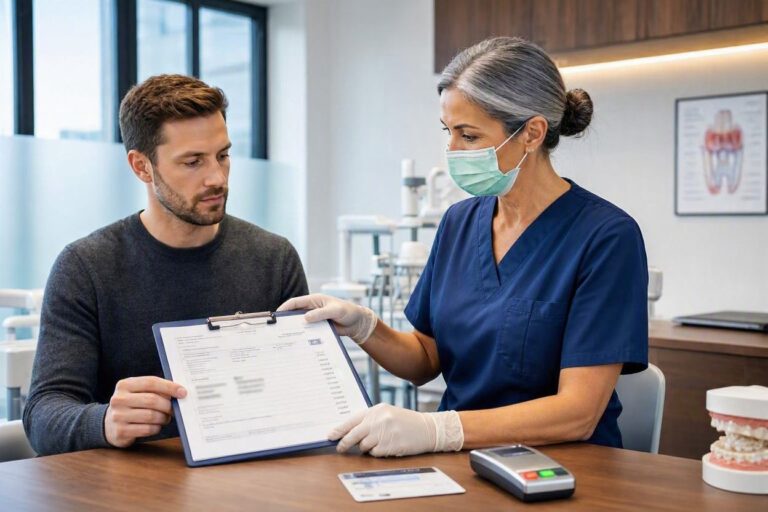
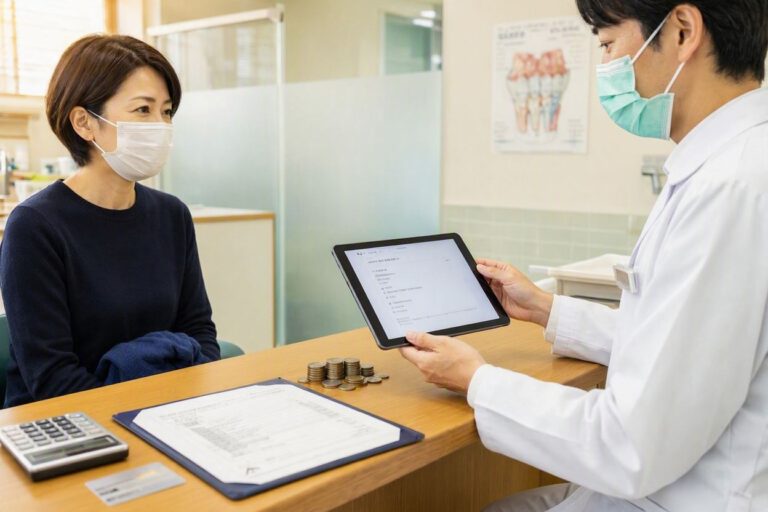
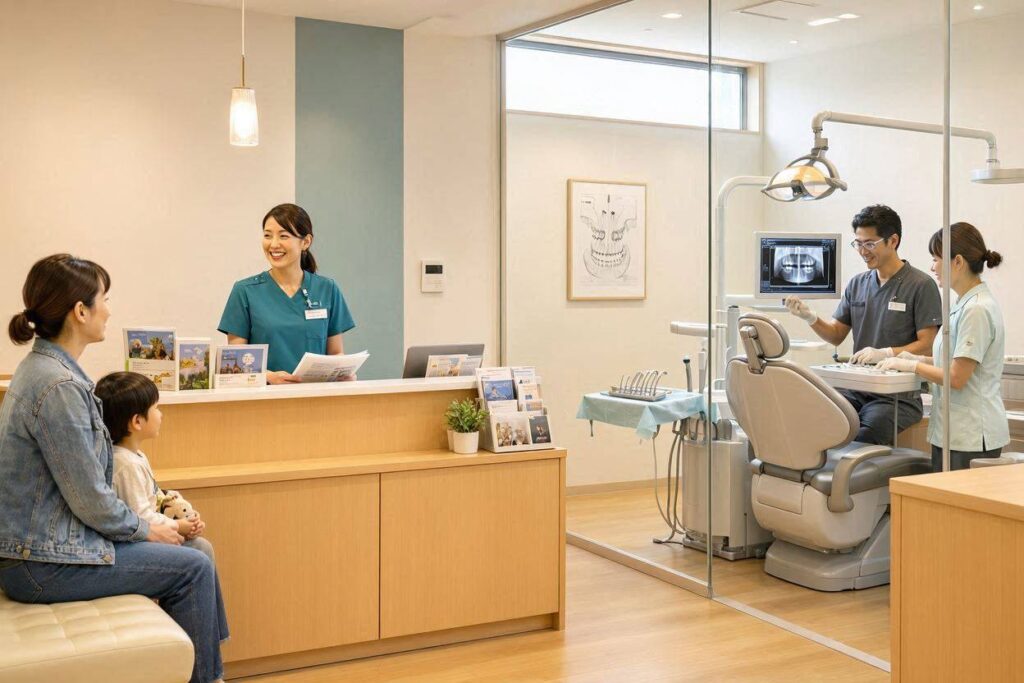
The patient experience in a dental care centre is fundamentally different from a small practice. The physical plant is larger, often a dedicated building or a substantial suite within a medical office complex. There is a prominent central reception area with multiple administrative staff handling high call and patient volume. The financial department often includes insurance coordinators who verify benefits and file claims for the multiple specialists.
The operational scale allows for extended hours that a solo practitioner cannot sustain. Evening and weekend appointments are common. The centre can afford a larger, multi-lingual staff to serve diverse communities. For the patient, the trade-off is between the intimate, continuity-of-care relationship with a single dentist and the convenience and comprehensive scope of a large centre. The goal of a well-managed centre is to provide the latter without sacrificing the former, often by assigning each patient a primary care dentist within the larger group.
Quality Assurance and Regulatory Compliance
With its larger scale, a dental care centre has a more formalized governance and compliance structure. A clinical director or chief dental officer typically oversees quality assurance, peer review of clinical cases, and infection control standardization across all operatories. The centre has a dedicated compliance officer to manage the complexities of HIPAA, OSHA, and state dental board regulations.
This institutional oversight can provide a level of standardized safety and quality control. Infection control protocols, such as autoclave biological monitoring and surface disinfection, are rigorously audited. Emergency medical protocols are regularly drilled with the entire multi-disciplinary team. This structured environment is often attractive to patients who seek the reassurance of a professionally managed, institutionally accountable healthcare facility.
Conclusion
A dental care centre is a large, multi-specialty dental clinic that provides comprehensive oral health services under one roof, combining general dentistry with all the recognized dental specialties. Its integrated, collaborative model of care eliminates the need for external referrals, and its investment in advanced technology like CBCT, intraoral scanners, and sedation suites allows it to manage complex, multi-disciplinary cases efficiently. For the patient, it offers the convenience of a single location for all dental needs, extended hours, and the structured quality assurance of an institutional clinical governance system.
Frequently Asked Questions
Q: Is a dental care centre more expensive than a private dentist?
A: The fees for specific procedures are often comparable, as they are based on the local market and insurance fee schedules. The centre’s advantage is not necessarily lower per-procedure cost, but the potential for greater efficiency and coordinated treatment, which can reduce the total number of visits and the risk of complications.
Q: Will I see the same dentist every time at a dental care centre?
A: In most well-organized centres, yes. You are typically assigned a primary general dentist who manages your overall care and refers you to the internal specialists as needed. For hygiene visits, you may see the same hygienist, similar to a private practice.
Q: Are dental care centres and corporate dental chains the same thing?
A: Often, but not always. A dental care centre can be a private, multi-doctor, non-corporate practice that simply grew over time. However, the model is also the standard format for corporate dental service organizations. The key distinction is less about ownership and more about the multi-specialty, comprehensive clinical structure.
Additional Resource
For guidance on understanding your rights as a dental patient and the standards of care that all dental facilities, large or small, must uphold, consult the leading national consumer dental association.
- National Association of Dental Plans Consumer Resources: nadp.org