What to Eat After Dental Implant Screw?
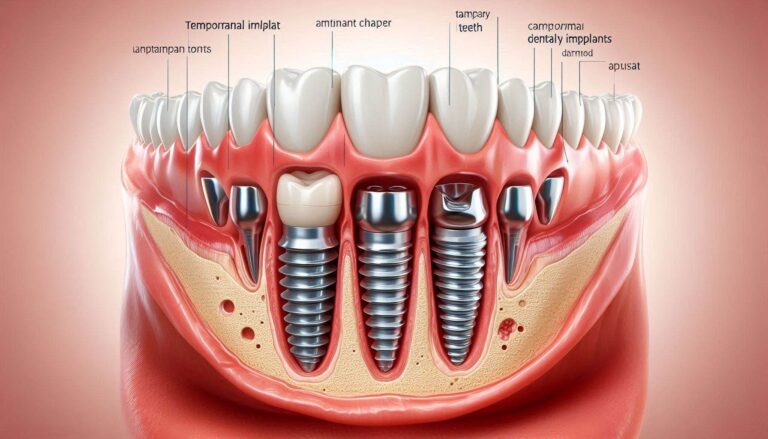
The success of your dental implant surgery depends not only on the skill of your surgeon but also on how you care for yourself in the critical days and weeks that follow. The food you eat plays a starring role in this healing drama. Your body is undertaking a remarkable biological project: fusing living bone to a titanium implant screw. This process, osseointegration, requires energy, protein, vitamins, and minerals. This comprehensive guide provides you with a detailed, phase-by-phase nutritional roadmap. You will learn exactly what to eat, what to avoid, and how to nourish your body to create the ideal conditions for a successful, lifelong bond between your implant and your jawbone.
The First 24 to 48 Hours: The Liquid and Cold Phase
The immediate post-operative period is not about nutrition in the conventional sense. It is about survival of the surgical site. The blood clot that has formed in the implant socket is the foundation of all future healing. It is a delicate, living scaffold. Your primary dietary goal for the first 48 hours is to do absolutely nothing that could dislodge this clot. This means nothing hot, nothing that requires chewing, and no suction of any kind. The implant screw is buried in your bone, and the gum tissue has been sutured closed over it. The tissues are swollen, inflamed, and exquisitely vulnerable.
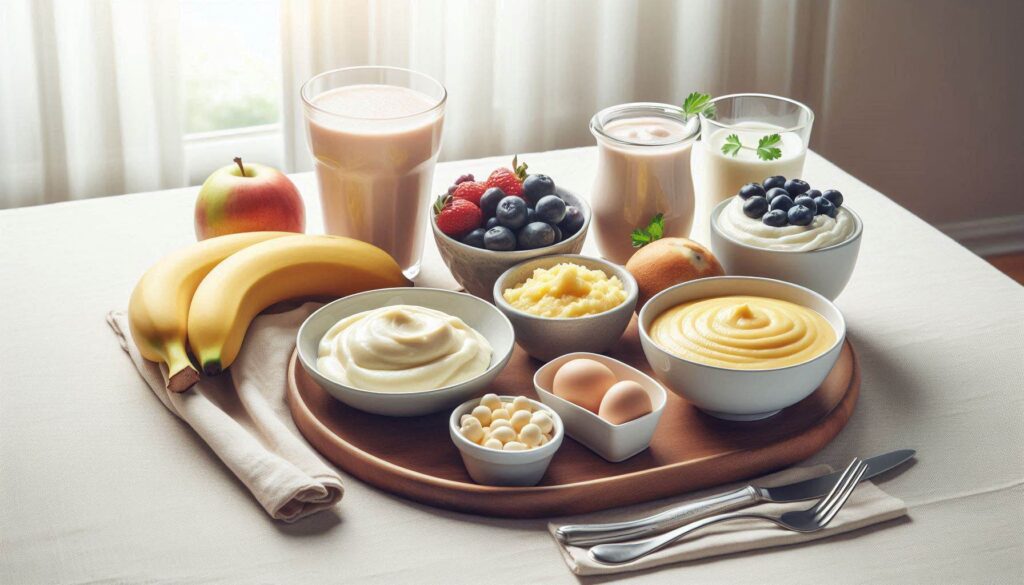
Your diet for the first two days consists of cool or cold, non-carbonated liquids. You should drink plenty of water to stay hydrated, which is essential for all cellular metabolic processes. Cold meal replacement shakes, such as Ensure, Boost, or a high-protein equivalent, are excellent. They provide a balanced source of calories, protein, and micronutrients in a completely liquid, no-chew form. Smoothies are another valuable option, but with critical caveats. You must not use a straw. The suction created by a straw is one of the most common causes of a dislodged blood clot, a painful condition known as a dry socket. You should also avoid any smoothie ingredients with small seeds, such as strawberries, raspberries, or chia seeds. These tiny particles can become lodged in the surgical site, causing irritation and acting as a nidus for infection. A well-strained, seedless, cool smoothie made with yogurt, banana, and protein powder, consumed from a cup or a spoon, is ideal.
What to Strictly Avoid in the Immediate Aftermath
The list of prohibitions for the first 48 hours is non-negotiable. Hot foods and liquids cause vasodilation, widening the blood vessels and increasing blood flow to the surgical site. This can dislodge the clot and cause persistent, heavy bleeding. Your mouth has undergone surgery. It needs cool, constricted vessels, not dilated ones. Carbonated beverages, including sparkling water and soda, introduce gas bubbles that can physically disrupt the clot and the suture line. Alcohol is absolutely forbidden. It is a vasodilator, it impairs judgment, it interferes with the prescribed antibiotics and pain medications, and it dehydrates the body, all of which are profoundly detrimental to surgical healing.
You must also avoid any form of chewing. Even soft, mushy foods require some tongue and cheek manipulation that can place stress on the surgical site. This is a discipline of liquids only. The temporary inconvenience is a small price to pay for protecting the biological foundation of your implant. This phase is about rest, both for you and for the surgical wound. You should take your prescribed pain medication with a small amount of a cool, thick liquid, such as a yogurt drink, to protect your stomach. Your focus should be on quiet, patient, uninterrupted clotting and the initiation of the inflammatory healing cascade.
Days 3 to 7: The Transition to Soft, Non-Chewing Foods
As the acute surgical swelling begins to subside and the blood clot organizes into granulation tissue, you can cautiously expand your diet. The guiding principle remains: no chewing. The foods you consume should require zero mastication. They should be able to be swallowed whole, or they should melt in your mouth. This is the phase of pureed soups, smooth puddings, and soft-cooked cereals. You are now beginning to provide your body with a more substantial caloric and protein load to fuel the energy-intensive process of tissue repair and bone regeneration.
A food processor or a high-speed blender is your most valuable kitchen tool during this week. You can puree a wide variety of cooked vegetables, such as carrots, sweet potatoes, and squash, into a smooth, velvety soup. Add bone broth instead of water for a significant boost of collagen, gelatin, and minerals that are the literal building blocks of healing connective tissue. Soft-scrambled eggs are an excellent source of high-quality, complete protein. Prepare them with gentle heat and no butter or oil to keep them light and soft. Greek yogurt, cottage cheese, and ricotta cheese are cool, soft, and packed with casein protein, which digests slowly and provides a sustained release of amino acids to the healing tissues throughout the day and night.
Protein and Calorie-Rich Soft Meal Ideas
Protein is the non-negotiable macro-nutrient of surgical healing. The amino acids derived from dietary protein are the raw materials for building new blood vessels, new collagen, and new bone matrix. During this week, you should consciously target a protein intake higher than your normal baseline. Here are some excellent soft meal options that require no chewing.
- Mashed Avocado and Soft-Boiled Egg: Mash a ripe avocado until it is completely smooth, with no lumps. Gently fold in a soft-boiled egg, mashing the yolk and white into the avocado. The combination provides healthy monounsaturated fats and complete protein.
- Pureed Chicken and Vegetable Soup: Roast or boil a chicken breast and a mix of carrots, celery, and zucchini until very tender. Transfer to a blender with warm bone broth and puree until it reaches a completely smooth, liquid consistency. Season with a small pinch of salt.
- Oatmeal or Cream of Wheat with Protein Powder: Cook the cereal to a very soft, thin consistency. Allow it to cool to a lukewarm temperature, then stir in a scoop of unflavored or vanilla protein powder. This fortifies a simple carbohydrate with a sustained-release protein source.
- Smooth Hummus and Pureed Roasted Vegetables: Commercially prepared hummus is already smooth. Pair it with roasted, well-softened, and pureed carrots or beets, eaten with a small spoon. The chickpeas in the hummus provide plant-based protein and fiber.
You must continue to avoid any foods with particulate matter. No rice, no quinoa, no chopped herbs, no ground meat unless it is pureed until it is completely unrecognizable. The temperature of your food should be warm or cool, never hot. You should continue to avoid using a straw. The suture line over your implant is still fragile, and the underlying bone graft, if one was performed, is a collection of loose particles that are being slowly infiltrated by your body’s healing cells. You must not disturb this delicate construction zone.
Weeks 2 to 4: The Soft Food and Gentle Chewing Phase
The second through fourth weeks mark a significant transition. The surface of the gum tissue has healed and closed. The sutures may have dissolved or been removed. The bone healing is progressing from granulation tissue to a preliminary, immature woven bone. You may now begin to introduce foods that require a small amount of gentle pressure, but you must still avoid direct, heavy chewing on the implant site. The implant screw itself is still completely unloaded. The osseointegration process is in its early, fragile phase. Any micro-motion of the implant can disrupt the bone cell activity and lead to a fibrous tissue interface instead of a rigid bony union.
You can now expand your diet to include soft, easy-to-chew foods that you can manipulate with your tongue and swallow without hard biting. Flaky, moist fish, such as poached salmon or cod, is perfect. It separates into soft flakes under the gentlest pressure. Well-cooked pasta, such as small shells or orzo, cooked until very tender, and served with a smooth, non-chunky sauce, provides easily digestible carbohydrates for energy. Soft, peeled fruits like ripe bananas, canned peaches in juice, and applesauce are excellent. Steamed vegetables should be cooked until they can be easily mashed with a fork. Tofu, which is inherently soft and protein-rich, can be scrambled or added to soups.
Reintroducing a Balanced, Non-Irritating Diet
This is the phase where you rebuild a balanced, nutrient-dense diet. You can now comfortably consume a variety of foods that support bone healing. Calcium and vitamin D are the star micronutrients for osseointegration. Dairy products like yogurt, milk, and soft cheeses are rich sources of both. If you are dairy-intolerant, fortified almond or soy milk, and soft, cooked leafy greens like spinach, which is rich in calcium, are good alternatives. Vitamin C is essential for collagen synthesis. Soft, easily chewable sources of vitamin C include well-cooked sweet potatoes, soft cantaloupe, and pureed berries.
You should still actively avoid any foods that are hard, crunchy, sticky, or chewy. No nuts, no seeds, no raw vegetables, no popcorn, no crusty bread, no tough cuts of meat, no chewy candies or dried fruit. If a food would require you to bite down with force or would leave hard, sharp particles in your mouth, it is off the menu. You must continue to chew on the side opposite the surgical site, as much as is possible. The implant site is a protected zone. The discipline you maintain during this month, when you are starting to feel normal again, is the most critical factor in preventing early implant failure. The implant failure curve shows a peak in the first few months, directly related to micro-motion and uncontrolled loading.
Month 2 Until Final Restoration: The Progressive Loading Phase
After the first month, the implant has achieved a degree of integration that provides a margin of safety. The bone is maturing from weak, disorganized woven bone into strong, organized lamellar bone. However, the implant has not yet been subjected to the forces of a prosthetic crown. It remains buried under the gum or has a healing abutment protruding through it. Your diet can now approach normalcy, but with a continued, vigilant avoidance of direct, heavy chewing on the implant site.
You can eat most normal, healthy foods. A well-cooked chicken breast, soft bread, steamed vegetables, and soft fruits are all acceptable. You should still not use the implant site as a primary chewing surface. If the implant is in a posterior molar position, you must continue to favor the other side for the main work of mastication. You must still avoid the extreme stresses. Do not bite into a whole apple or a corn on the cob with your front teeth. Do not chew on ice, hard candies, or nuts. Do not tear a piece of tough bread with your teeth. These actions generate high torque forces that can be transmitted through the bone to the integrating implant. The implant’s prosthetic crown, once placed, will be designed to withstand these forces, but the bare implant during the healing phase is a protected, developing structure.
The Nutritional Foundation for Long-Term Implant Health
The dietary habits you build during this healing period can set the stage for the lifelong health of your implant. A diet that promotes bone health is not a temporary post-surgical diet. It is a permanent, health-promoting way of eating. The jawbone that surrounds your implant is living tissue, subject to the same systemic influences as the rest of your skeleton. A chronic deficiency in calcium and vitamin D will lead to generalized bone loss, including in the jaws. Your implant is a rigid, unyielding structure. It needs dense, strong, healthy bone to support it against the daily forces of chewing for decades to come.
A diet rich in calcium from dairy, leafy greens, and fortified foods, combined with adequate vitamin D from sensible sun exposure, fatty fish, and supplementation, is a lifelong prescription for implant health. Avoid a diet chronically high in refined sugars, which fuel the bacteria that cause peri-implant inflammation. A patient with a history of implant placement should adopt an anti-inflammatory dietary pattern, such as the Mediterranean diet, rich in fruits, vegetables, whole grains, lean proteins, and healthy fats like olive oil. Your dietary choices, meal by meal, year after year, are a continuous, powerful signal that either builds up or breaks down the bony foundation of your implant. You have made a significant investment in your oral health. Your daily nutrition is the maintenance plan that protects that investment for a lifetime.
Conclusion
The dietary journey following dental implant screw placement is a carefully phased progression from cold, non-carbonated liquids in the first 48 hours to protect the blood clot, to completely smooth, no-chew soft foods for the first week to fuel healing, and then to a cautious reintroduction of soft, gentle foods while avoiding any direct force on the implant site for two to four months. Throughout this entire timeline, the nutritional priority is a high-protein, micronutrient-rich diet providing the essential building blocks of calcium, vitamin D, and vitamin C for bone regeneration and collagen synthesis, while strictly avoiding straws, hot foods, and any hard, crunchy, or particulate items that could disrupt the delicate process of osseointegration.
Frequently Asked Questions
Can I drink coffee after implant surgery?
You should avoid hot coffee for at least the first 48 hours to prevent bleeding and clot disruption. After that, lukewarm coffee without using a straw is acceptable, but caffeine can be dehydrating. Prioritize water and hydrating fluids.
Why can’t I use a straw after my implant surgery?
The suction created by using a straw creates negative pressure in your mouth that can easily dislodge the protective blood clot from the surgical site. Losing this clot exposes the bone and nerve endings, causing a dry socket, a severely painful complication that delays healing.
When can I eat solid foods like a sandwich after an implant screw is placed?
You must avoid biting into a sandwich or any solid food directly on the implant site for the entire osseointegration healing period, which is typically four to six months. After the final crown is placed, you can gradually return to a normal diet, still avoiding hard and sticky items on that tooth.
Is it normal to not feel hungry after implant surgery?
Yes. The surgical trauma, the effects of anesthesia, and the pain medications can all suppress your appetite. Focus on small, frequent, nutrient-dense liquid and soft meals. A protein shake is an easy way to get essential calories when you do not feel like eating.
What is the best single food for bone healing after an implant?
There is no single magic food, but bone broth combined with pureed vegetables and a high-quality protein source provides a synergistic blend of collagen, gelatin, minerals, vitamins, and amino acids. It is easily consumed, hydrating, and deeply nourishing for healing bone and soft tissue.
Additional Resource
The Academy of Nutrition and Dietetics provides science-based information on nutrition for surgical healing and bone health. For personalized dietary advice tailored to your medical history and surgical recovery, consulting with a registered dietitian nutritionist is an excellent step. You can find resources at: https://www.eatright.org/