what to expect when getting multiple cavity filled
Finding out you need a single dental filling can make your stomach drop. Discovering you need multiple cavity fillings during a single routine checkup can feel downright overwhelming. Your mind might instantly flood with questions: How long will it take? Will my jaw lock up? How bad is the pain going to be? Is it even safe to do them all at once?
If you are currently staring down an upcoming dental appointment for multiple fillings, take a deep breath. You are not alone, and your dental anxiety is completely valid.
This comprehensive guide will walk you through exactly what to expect when getting multiple cavity filled, breaking down the procedure from the moment you sit in the dental chair to your final stage of recovery. By understanding the timeline, the pain management techniques, the costs, and the practical recovery steps, you can walk into your dental clinic feeling calm, informed, and completely in control of your oral health.
1. Can You Get Multiple Cavities Filled at the Same Time?
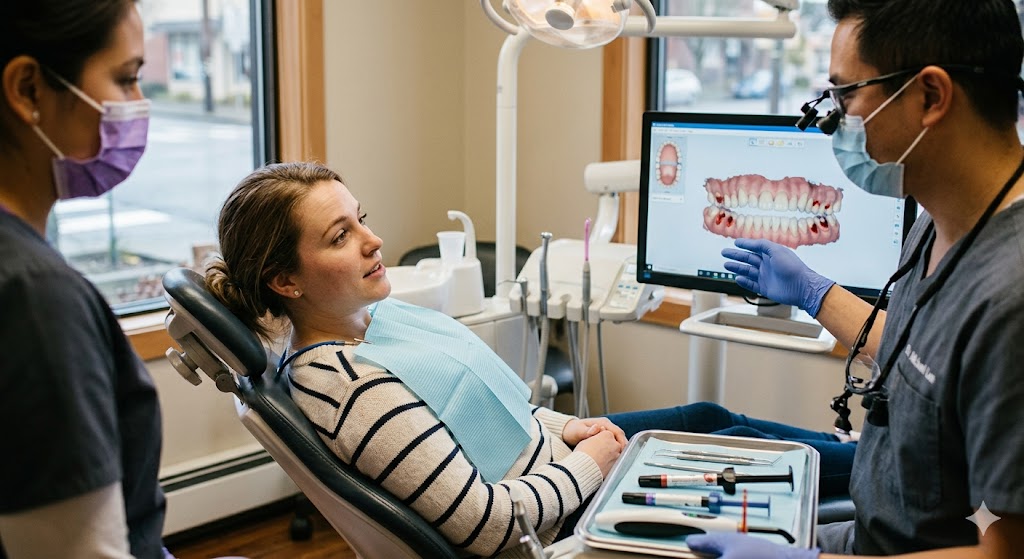
The short answer is yes. Dentists routinely fill multiple cavities during a single clinical appointment. In fact, if the cavities are located in the same quadrant of your mouth, treating them all at once is often the preferred medical approach.
Why Dentists Group Fillings Together
Dentists look at your mouth in four distinct zones, known as quadrants:
- Upper Right
- Upper Left
- Lower Right
- Lower Left
If you have two or three cavities in the upper right quadrant, your dentist can numb that entire section of your jaw with a single round of local anesthetic. This means you only have to experience the needle stick once, and the dentist can work efficiently across those neighboring teeth without switching positions or changing tools constantly.
Factors That Determine the Number of Fillings per Session
While treating multiple teeth at once is common, your dentist will evaluate several personal factors before booking a marathon dental session:
- The Depth and Location of the Decay: Simple, shallow fillings on the same side of the mouth are easy to group. Deep cavities requiring extensive drilling or potential root canal assessments take longer and may need separate visits.
- Patient Anxiety Levels: If you suffer from severe dental phobia, sitting open-mouthed for ninety minutes might be emotionally impossible. Your dentist will adjust the plan to suit your psychological comfort.
- Jaw Joint Health (TMJ): Keeping your mouth wide open for an extended period strains the temporomandibular joint. If you have a history of TMJ disorders, shorter appointments are essential.
- Physical Co-morbidities: Elderly patients, young children, or individuals with chronic back and neck pain often cannot tolerate long stretches in a reclined dental chair.
2. The Pros and Cons of Single vs. Multiple Appointments
When faced with multiple cavities, you generally have two choices: tackle them all in one long appointment or split them across two or more shorter visits. Both approaches have distinct advantages and drawbacks.
The Benefits of Getting Everything Done at Once
- Fewer Injections: This is the biggest selling point for anxious patients. Grouping fillings means fewer total local anesthetic injections over your lifetime.
- Less Time Missed From Work or School: You only have to coordinate transport, request time off, and commute to the dental office once.
- Faster Overall Healing: Your mouth undergoes one consolidated recovery period rather than a prolonged, multi-week cycle of soreness.
- Cost-Effective Travel: You save money on fuel, childcare, and parking by minimizing clinical visits.
The Drawbacks of One Long Appointment
- Prolonged Jaw Strain: Keeping your mouth stretched open for an hour or more can lead to significant muscle fatigue and joint soreness.
- Extensive Numbness: If cavities span both sides of your mouth, your dentist may have to numb both the left and right sides. This leaves your entire lower face feeling heavy, making it highly difficult to speak or drink water without drooling for several hours post-procedure.
- Increased Mental Fatigue: Sitting through prolonged drilling can be mentally exhausting, even if you do not feel physical pain.
Comparison Table: One Comprehensive Appointment vs. Staggered Visits
| Consideration | Single Long Appointment | Multiple Staggered Visits |
| Total Number of Needle Pricks | Low (grouped by quadrant) | High (required at every single visit) |
| Time Spent in the Dental Chair | 60 to 120 minutes | 30 to 45 minutes per session |
| Time Off Work / School | One single day or half-day | Multiple distinct days or afternoons |
| Post-Op Numbness Area | Wide area (potentially half or all mouth) | Localized to one small section |
| Jaw Muscle Fatigue | Moderate to high | Minimal |
| Ideal For… | Busy schedules, quadrant-isolated decay | High anxiety, TMJ issues, deep decay |
3. Step-by-Step: What Happens During the Procedure?
Knowing exactly what happens behind the scenes can strip away the fear of the unknown. Let us break down the clinical timeline of a multi-cavity filling appointment.
[Topical Numbing Gel] ➔ [Local Anesthetic Injection] ➔ [Decay Removal & Drilling] ➔ [Tooth Preparation] ➔ [Layering & Curing Resin] ➔ [Bite Adjustment & Polishing]
Step 1: Pre-Numbing and Direct Injections
Before any needle touches your gums, the dental assistant will dry the area with gauze and apply a flavored topical numbing gel (usually benzocaine) using a cotton swab. This gel sits on your tissue for a minute or two to deaden the surface layer of your skin.
Next, the dentist administers the local anesthetic (commonly lidocaine or articaine). While you will feel a brief pinch and a sensation of pressure as the fluid enters the tissue, the topical gel prevents sharp pain. Within five to ten minutes, your lip, cheek, and tongue on that side of your mouth will feel thick, heavy, and completely numb.
Step 2: Isolation and Protection
To keep your teeth dry and protect your airway from debris, your dentist may use a rubber dam (a thin sheet of latex or non-latex material placed over the teeth) or specialized suction devices like an Isolite. This keeps saliva away from the prepared teeth, which is critical because modern filling materials require a completely dry environment to bond properly to your enamel.
Step 3: Removing the Tooth Decay
Once you are fully numb, the dentist uses a high-speed dental drill to cut through the damaged enamel and remove the soft, decayed bacterial structures inside the tooth. You will hear a high-pitched whirring sound and feel significant vibrations in your jaw, but you should not feel any sharp pain. The dentist will alternate between drilling and using a water spray to keep the tooth cool and wash away debris.
Step 4: Etching and Bonding
After removing all the decay, the dentist cleans the remaining healthy tooth structure. They apply a mild acid etching gel to roughen the microscopic surface of the tooth, wash it off, and then apply a liquid bonding agent. This adhesive act like a super-powered double-sided tape for the filling material.
Step 5: Placing and Curing the Filling Material
For composite (tooth-colored) fillings, the dentist places the putty-like resin into the cavity in thin layers. After each layer is shaped, they shine a bright blue curing light directly onto the tooth for 20 to 40 seconds. This light triggers a chemical reaction that hardens the resin instantly. If you are getting silver amalgam fillings, the metal alloy is packed into the tooth and self-hardens over a short period without a light.
Step 6: Shaping, Bite Checks, and Final Polish
Once the cavity is entirely filled, the dentist uses fine-grit burs to shape the material so it matches the natural anatomy of your tooth. They will ask you to bite down on a strip of carbon paper (articulating paper) to see how your upper and lower teeth meet. If the filling is too high, it can cause severe post-operative pain, so the dentist will carefully shave down any high spots until your bite feels completely natural. Finally, the filling is polished to a smooth, glossy finish.
4. Understanding Your Filling Material Options
The material your dentist uses to fix your teeth will impact how long your appointment lasts, how the fillings look, and how much they cost. Today, patients generally choose between two primary options.
Composite Resin (Tooth-Colored Fillings)
Composite fillings are made of a mixture of plastic resin and fine glass particles. They are highly popular because they can be precisely color-matched to your surrounding teeth, making them virtually invisible.
- Pros: Outstanding aesthetics; bonds directly to the tooth structure (allowing the dentist to preserve more of your natural tooth); completely mercury-free.
- Cons: More technically difficult to place; takes longer to apply (which extends your time in the chair); more expensive than metal fillings; can stain over time from coffee, tea, or smoking.
Silver Amalgam Fillings
Amalgam fillings have been used in dentistry for over 150 years. They are made from a liquid mixture of silver, tin, copper, and elemental mercury.
- Pros: Exceptionally durable and long-lasting (often lasting 15+ years); highly resistant to wear in high-pressure areas like back molars; less expensive; faster to place because they are not sensitive to moisture.
- Cons: Dark silver color looks highly noticeable when you smile or laugh; requires the removal of more healthy tooth structure to create a mechanical lock; causes slight expansion and contraction over time, which can create hairline micro-fractures in the surrounding tooth.
💡 Clinical Note for Patients
If your dentist is treating multiple cavities across different areas of your mouth, you do not have to choose just one material. Many patients opt for beautiful composite resin on their highly visible front premolars, while selecting ultra-durable silver amalgam for their hard-working back molars where appearance does not matter as much.
5. Pain Management and Comfort Strategies
The number one fear keeping people away from the dentist is pain. When you multiply the number of cavities, that fear can skyrocket. Fortunately, modern dental medicine has advanced to a point where a multiple-filling appointment can be completely manageable.
During the Appointment: What to Use
If local anesthetic injections do not ease your anxiety, talk to your dentist about these supplemental comfort options before your procedural date:
- Nitrous Oxide (Laughing Gas): You inhale this colorless gas through a small nose mask. It creates a warm, floaty feeling of euphoria and dulls sound and anxiety. The best part? It wears off within five minutes of breathing pure oxygen, allowing you to drive yourself home safely.
- Oral Conscious Sedation: Your dentist prescribes a prescription sedative pill (like triazolam or diazepam) to take an hour before your appointment. You will arrive awake but deeply relaxed, drowsy, and indifferent to the dental work. You must have a designated driver if you choose this route.
- IV Sedation (Twilight Sedation): Administered via an intravenous line, this option puts you on the edge of sleep. You can still follow basic verbal commands, but you will remember virtually nothing about the appointment once it concludes.
Non-Medical Comfort Hacks
Do not underestimate the power of distracting your senses while in the chair:
- Noise-Canceling Headphones: Block out the shrill, high-pitched frequencies of the dental drill with an aggressive music playlist, a captivating audiobook, or an engaging podcast.
- Hand Signals: Agree on a clear distress signal with your dentist before they start working (such as raising your left hand). Knowing you can pause the procedure at any second provides immense psychological relief.
- Weighted Blankets or Neck Pillows: Many modern dental clinics offer these items to reduce physical tension and keep your spine comfortable during long appointments.
6. Real-World Recovery: The First 48 Hours
When you stand up from the dental chair after getting multiple teeth filled, your journey is only halfway complete. The immediate post-operative window requires careful management to ensure your teeth heal without complications.
Managing the Numbness Safety Window
Your local anesthesia will remain fully active for two to five hours after your appointment wraps up. Because your lips, cheeks, and tongue have zero sensation, you can cause severe self-inflicted soft tissue damage without realizing it.
- Avoid chewing solid food until the numbness has completely vanished. It is remarkably easy to bite deep into your inner cheek or slice your tongue open while chewing blindly.
- Be cautious with hot liquids. Avoid scalding hot coffee, tea, or soup. If the liquid is hot enough to burn your skin, it will burn your numb throat and gums without triggering your protective pain reflexes.
What to Eat and Drink (Post-Op Menu)
Stick to soft, nutrient-dense foods that require minimal chewing power during the initial 48 hours.
[Safe Post-Op Foods] ➔ Yogurt, Smoothies (no straw), Applesauce, Scrambled Eggs, Mashed Potatoes, Lukewarm Broth
⚠️ Critical Safety Warning
Never use a straw to drink smoothies, milkshakes, or water after dental work. The intense negative suction pressure created in your mouth can disrupt early blood clots, irritate raw gum tissue around matrix bands, or disturb delicate surgical sites if extractions were performed concurrently. Drink directly from an open glass.
Pain Relief Strategies
As the numbing agent drains away, you will likely experience a dull, throbbing ache in your jaw muscles and localized tenderness around the filled teeth.
The most effective approach for managing standard post-filling discomfort is an over-the-counter anti-inflammatory regimen. Ibuprofen (Advil/Motrin) is highly recommended because it tackles both the physical pain signals and the deep tissue inflammation caused by the dental work. If you cannot take NSAIDs due to stomach ulcers or blood thinners, Acetaminophen (Tylenol) is an excellent alternative. Always follow the explicit dosing instructions on the packaging or those provided directly by your dental specialist.
7. Potential Complications and When to Call Your Dentist
While multiple fillings are safe and routine, complications can occasionally happen as your teeth settle into their new state. Knowing what is normal versus what constitutes a clinical issue can save you days of unnecessary worry.
What Is Normal (Expect This)
- Mild Sensitivity to Hot and Cold: The physical vibration of the dental drill can inflame the delicate nerve bundle (the pulp) inside your tooth. This mild, transient zap when drinking cold water or hot soup can linger for two to four weeks.
- Gum Tenderness: The metal bands and wedges placed between your teeth to shape the filling material can leave your gum line feeling bruised, raw, and sore for several days.
- Jaw Stiffness: Keeping your mouth wide open for a long period can cause temporary jaw muscle spasms (trismus).
What Is Abnormal (Call Your Clinic)
If you encounter any of the following symptoms, do not try to tough it out. Contact your dental provider immediately for a follow-up assessment:
- A High Bite: If you feel like one specific tooth is hitting first when you close your mouth naturally, or if you cannot chew without a sharp sting, your filling is structurally too high. A high filling forces that single tooth to absorb the entire crushing force of your jaw, causing severe, worsening nerve inflammation. Your dentist can fix this in less than five minutes by buffing down the excess material.
- Severe, Unprovoked, Throbbing Pain: If your tooth aches violently at night without any hot or cold triggers, the decay may have traveled deeper into the nerve than initially expected, indicating the need for a root canal.
- Allergic Reactions: Swelling of the lips, hives, or breathing issues can indicate a rare reaction to the local anesthetic, latex dams, or restorative components.
8. Financial Considerations and Insurance Policies
Fixing multiple teeth at once means navigating a larger dental bill. Understanding how insurance billing codes work will prevent unexpected out-of-pocket financial surprises.
How Fillings Are Coded and Priced
Dentists determine the cost of a filling based on two main criteria: the type of tooth material used and the number of surfaces on the tooth that require repair.
Every single tooth has five distinct surfaces:
- Occlusal (O): The flat chewing surface.
- Mesial (M): The front-facing side surface closest to the middle of your smile line.
- Distal (D): The back-facing side surface furthest away from the middle.
- Lingual (L): The inner surface facing your tongue.
- Facial/Buccal (B): The outer surface facing your lips or cheeks.
A simple filling that only covers the chewing surface is billed as a 1-surface filling (e.g., Code D2391 for a composite rear tooth). If decay has spread across the top, front, and back of the tooth, it becomes a complex 3-surface filling (e.g., Code D2393), which requires more material, more clinical time, and a higher fee.
Common Dental Billing Codes Matrix
| Code Category | CDT Code | Detailed Clinical Description | Estimated Cost Range (Out-of-Pocket) |
| Amalgam (Silver) | D2140 | Amalgam filling – one surface, primary or permanent | $120 – $200 |
| Amalgam (Silver) | D2150 | Amalgam filling – two surfaces, primary or permanent | $150 – $250 |
| Amalgam (Silver) | D2160 | Amalgam filling – three surfaces, primary or permanent | $180 – $300 |
| Composite (White) | D2391 | Resin-based composite filling – one surface, posterior | $150 – $280 |
| Composite (White) | D2392 | Resin-based composite filling – two surfaces, posterior | $200 – $350 |
| Composite (White) | D2393 | Resin-based composite filling – three surfaces, posterior | $250 – $450 |
Maximizing Your Dental Benefits
Most standard dental insurance plans treat fillings as a “Basic Service,” typically covering 70% to 80% of the contract fee, leaving you responsible for the remaining 20% co-pay after your annual deductible is met.
However, be aware of the downcoding clause found in many budget insurance policies. If you opt for tooth-colored composite fillings on your back molars, your insurance company may only pay out the amount equivalent to a cheaper silver amalgam filling. You will be required to pay the remaining balance out of pocket. Always request a written Pre-Treatment Estimate from your clinic before starting work.
9. Long-Term Maintenance: Protecting Your Investment
Once your mouth is fully restored and free of decay, your primary goal is prevention. Fillings do not make your teeth immune to future decay; in fact, the margins where the filling material meets your natural enamel are prime real estate for new bacterial growth.
Daily Care Best Practices
- Brush with Fluoride Twice a Day: Use a soft-bristled toothbrush or an electric toothbrush. Fluoride is essential because it remineralizes weak spots along the edges of your new fillings.
- Commit to Daily Flossing: Dental drills cannot clean between your teeth permanently. Flossing daily removes sticky plaque from the tight interproximal spaces where adjacent fillings sit, preventing recurrent decay (cavities forming under existing restorations).
- Incorporate an Antimicrobial Mouthwash: Rinsing daily helps lower the total volume of cavity-causing bacteria (Streptococcus mutans) living in your saliva.
Habits to Break Immediately
To prevent your new fillings from chipping, cracking, or falling out prematurely, avoid these destructive physical habits:
- Using your teeth as tools to rip open plastic packages, open bottle caps, or bite clothing tags.
- Chewing on raw ice cubes, hard candy, popcorn kernels, or unpopped seeds.
- Nail-biting or compulsively chewing on plastic pens or wooden pencils.
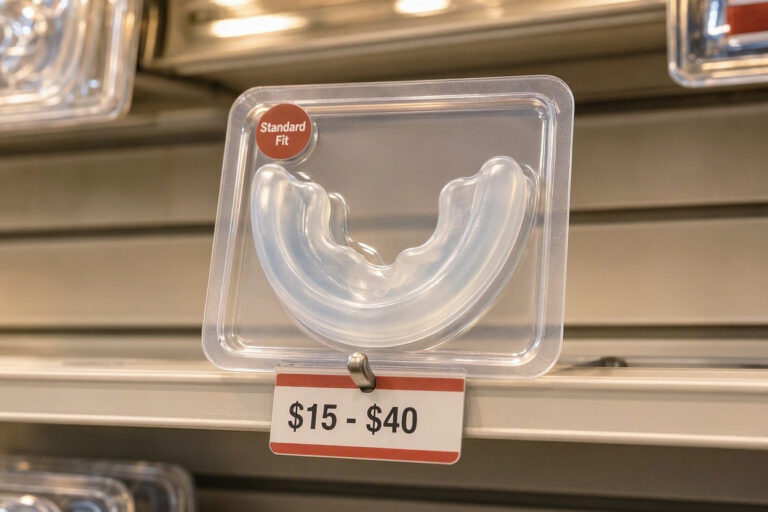
- Ignoring structural nighttime teeth grinding (bruxism). If you wake up with a dull ache in your jaw, talk to your dentist about getting a custom fabricated nightguard to cushion your teeth from massive grinding forces.
10. Frequently Asked Questions (FAQ)
How many cavities can a dentist realistically fill in a single visit?
There is no hard legal or medical limit, but most dentists cap a single session at four to six fillings. This threshold balances clinical efficiency with patient comfort, ensuring you do not experience excessive jaw joint fatigue or require dangerous levels of local anesthetic.
Is it safe to be completely numb on both sides of the mouth?
While it is physically safe, dentists try to avoid numbing both lower quadrants at once. Numbing both sides of your lower jaw desensitizes your entire tongue and lower lip, which makes speaking clearly nearly impossible and creates a high risk of accidentally choking or biting yourself severely.
Why do my new fillings feel sensitive when I step outside into cold air?
Metal amalgam fillings are excellent conductors of temperature. When cold winter air or iced water hits the tooth, the temperature change transfers rapidly down the filling material to the sensitive nerve beneath. This sharp sensation is completely normal early on and typically resolves as the tooth deposits protective layers of secondary dentin inside.
How long do composite versus amalgam fillings last before needing replacement?
On average, composite resin fillings last between 5 and 10 years, while silver amalgam fillings can survive 10 to 15 years or longer with flawless oral hygiene. Regular checkups allow your dentist to monitor the structural integrity of your filling margins.
Can I drive myself home after getting multiple cavities filled?
If you only received local numbing injections or nitrous oxide (laughing gas), you can safely drive yourself home or go right back to work. If your doctor administered oral conscious sedatives or deep IV sedation, you are legally impaired and must have a trusted adult drive you home.
11. Additional Resources
For patients looking for further evidence-based guidance, academic insights, and interactive tools regarding cavity care and dental anxiety management, explore the following independent platforms:
- The American Dental Association (ADA) – Patient Education Portal: Offers detailed, interactive breakdowns of restorative dental materials, safety profiles of dental amalgams, and direct care videos. (Accessible online at mouthhealthy.org).
- Dental Anxiety Network: A non-profit global registry providing free cognitive behavioral worksheets, breathing guides, and directories for finding certified sedation dentists in your area.
- The Cochrane Oral Health Group: A premium repository of systematic medical reviews tracking the real-world longevity, health impacts, and success rates of different dental filling choices across millions of patients worldwide.
Summary
Getting multiple cavities filled at once is a highly efficient, safe, and routine dental strategy that groups treatment by quadrant to minimize anesthetic injections. While you should expect minor jaw fatigue, temporary numbness, and temporary cold sensitivity, you can easily control your recovery by resting your jaw, eating soft foods, and taking over-the-counter pain relievers. With proper oral hygiene and regular clinical checkups, your new fillings will successfully restore your smile and protect your systemic health for many years to come.
Author: Dr. Elizabeth Vance, DDS
Date: June 4, 2026
Disclaimer: The information provided throughout this document is strictly for educational and informational purposes. It does not constitute direct medical advice, diagnosis, or treatment plans. Always consult directly with a licensed dentist or certified oral healthcare specialist to address your specific medical conditions and personal treatment options.