Why Does Private Dentistry Cost So Much?
If you have ever visited a private dentist, you know the feeling. You go in for a routine cleaning, and by the time you leave, you are staring at a bill that seems much higher than you expected. A simple filling can cost hundreds. A crown can cost thousands. A full smile makeover can cost as much as a new car.
It is natural to wonder: why does private dentistry cost so much? Are dentists just trying to get rich? Is there some hidden markup? Or are there real reasons behind the prices?
The truth is more complicated than you might think. Private dentistry is expensive for many reasons. Some are obvious, like the cost of equipment and staff. Others are less visible, like the years of training, the overhead of running a practice, and the constant need to invest in new technology.
This guide will explain why private dentistry costs what it does. We will look at the real expenses behind the scenes, compare private and public dentistry, and help you understand what you are actually paying for. By the end, you should have a clearer picture of the economics of dental care and how to make smart choices for your wallet and your smile.
What Is Private Dentistry?
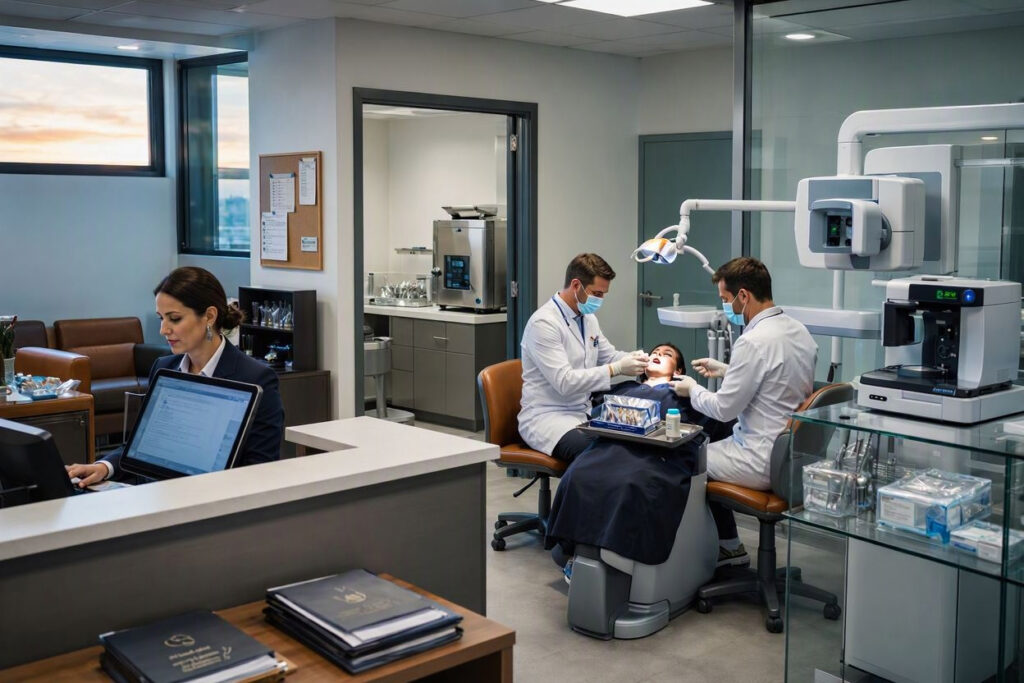
Private dentistry is dental care provided by a dentist who runs their own practice or works in a privately owned clinic. Unlike public dentistry, which is funded by the government, private dentistry operates as a business. The dentist sets their own fees, and patients pay directly or through private insurance.
In many countries, private dentistry exists alongside public dental services. In the United States, most dental care is private. In the United Kingdom, Canada, and Australia, there is a mix of public and private options. In some countries, like Germany and Japan, private dentistry is the norm.
Private dentistry offers several advantages:
- Shorter waiting times
- More choice of dentist and treatment options
- Access to cosmetic procedures
- Often more modern equipment and comfortable offices
But these advantages come at a cost. Private dentistry is almost always more expensive than public care.
The Main Costs Of Running A Dental Practice
To understand why private dentistry is expensive, you need to understand the costs of running a dental practice. These costs are not small. They add up quickly, and they are passed on to patients.
1. Staff Salaries
A dental practice employs more than just dentists. A typical practice has:
- Dental hygienists
- Dental assistants
- Receptionists
- Office managers
- Sterilization technicians
- Sometimes associate dentists
Staff salaries and benefits are one of the biggest expenses. In the United States, a dental hygienist earns an average of $75,000 per year. A dental assistant earns around $40,000. A receptionist earns around $35,000. For a practice with several staff members, payroll can easily exceed $300,000 per year.
2. Rent And Utilities
Dental offices need space. They need a waiting room, treatment rooms, a sterilization area, and an office. Rent for commercial space is expensive, especially in cities. Utilities like electricity, water, and internet add to the bill.
In a major city, rent for a dental office can be $5,000 to $20,000 per month or more. Over a year, that is $60,000 to $240,000.
3. Equipment And Technology
Dentistry is a high-tech field. A modern dental office needs:
- Dental chairs: $20,000 to $50,000 each
- X-ray machines: $30,000 to $150,000
- Sterilization equipment: $10,000 to $30,000
- Computers and software: $10,000 to $30,000
- Handpieces and instruments: $5,000 to $20,000
- Intraoral cameras: $5,000 to $15,000
- 3D printers and milling machines: $50,000 to $200,000
This equipment must be maintained, repaired, and eventually replaced. Technology changes quickly, and dentists must invest in new equipment to stay competitive.
4. Supplies And Materials
Every dental procedure uses supplies. Gloves, masks, needles, sutures, filling materials, impression materials, and more. These supplies are not cheap. A single composite filling might use $20 to $50 worth of materials. A crown might use $100 to $300 worth of materials.
Dental practices spend thousands of dollars every month on supplies.
5. Insurance
Dentists need malpractice insurance, property insurance, and workers’ compensation insurance. Malpractice insurance alone can cost $5,000 to $30,000 per year, depending on the state and the dentist’s specialty.
6. Continuing Education
Dentists must stay up to date with the latest techniques and technology. They attend conferences, take courses, and read journals. Continuing education can cost $5,000 to $20,000 per year.
7. Marketing And Advertising
Private dentists need to attract patients. They advertise online, in local newspapers, and through social media. Marketing can cost $2,000 to $10,000 per month.
8. Administrative Costs
Billing, insurance claims, accounting, legal fees, and other administrative tasks add to the cost of running a practice. Many dentists hire billing specialists or use software to manage these tasks.
9. Loan Repayments
Many dentists borrow money to start or buy a practice. Dental school debt can be $200,000 to $500,000. Practice loans can be another $200,000 to $800,000. These loans must be repaid with interest.
10. Taxes
Dental practices pay business taxes, property taxes, and payroll taxes. These add to the overall cost of doing business.
How These Costs Add Up
Let us put these numbers together. Here is an example of the annual overhead for a small dental practice in the United States.
| Expense | Estimated Annual Cost (USD) |
|---|---|
| Staff salaries and benefits | $300,000 |
| Rent and utilities | $120,000 |
| Equipment and technology | $100,000 |
| Supplies and materials | $80,000 |
| Insurance | $20,000 |
| Continuing education | $10,000 |
| Marketing | $50,000 |
| Administrative costs | $40,000 |
| Loan repayments | $100,000 |
| Taxes | $50,000 |
| Total | $870,000 |
This is just one example. A larger practice with more staff and more equipment could have overhead of $1.5 million or more.
To cover these costs, the practice must generate enough revenue. If the practice sees 2,000 patients per year, the average revenue per patient must be at least $435 just to break even. And that is before the dentist takes home any salary.
The Dentist’s Salary
Many people assume dentists are wealthy. Some are. But the average dentist does not take home as much as you might think. After paying overhead, a dentist’s salary might be 30% to 40% of the practice’s revenue.
In the United States, the average dentist earns $150,000 to $250,000 per year. Specialists like oral surgeons and orthodontists can earn $300,000 to $500,000 or more. But these numbers are before taxes and loan repayments.
When you consider the years of training, the stress of running a business, and the physical demands of the job, many dentists feel they earn every penny.
The Cost Of Dental Education
One of the reasons private dentistry is expensive is the cost of dental education. In the United States, dental school tuition can be $60,000 to $80,000 per year. Over four years, that is $240,000 to $320,000. Add undergraduate tuition, living expenses, and supplies, and the total cost can exceed $500,000.
Many dental students graduate with $300,000 to $500,000 in debt. They must repay these loans with interest. This debt is a major factor in the fees dentists charge.
In other countries, dental education is cheaper. In Germany, France, and some Nordic countries, public university tuition is low or free. But even there, dentists have living expenses and may take on some debt.
The Cost Of Dental Insurance
Dental insurance is different from medical insurance. Most dental plans have:
- Annual maximums: $1,000 to $2,000
- Deductibles: $50 to $100
- Coinsurance: 50% to 80%
This means that insurance often covers only a small portion of the cost of expensive procedures. The patient pays the rest. Dentists must set their fees high enough to cover their costs, even if insurance reimburses only a fraction.
In some cases, insurance reimbursements are so low that dentists lose money on certain procedures. To compensate, they charge more for other procedures or focus on cosmetic treatments that are not covered by insurance.
The Cost Of Malpractice And Regulation
Dentists face significant legal and regulatory burdens. They must comply with:
- Health and safety regulations
- Sterilization and infection control standards
- Patient privacy laws (like HIPAA in the US)
- Licensing and continuing education requirements
- Waste disposal regulations
Compliance with these regulations costs money. Malpractice insurance protects dentists from lawsuits, but it is expensive. In some states, malpractice premiums for dentists can exceed $30,000 per year.
The Cost Of Patient Expectations
Patients today expect more from their dentists. They want:
- Comfortable offices with amenities like TVs, headphones, and sedation
- The latest technology, such as digital X-rays and same-day crowns
- Cosmetic treatments like whitening, veneers, and clear aligners
- Convenient hours, including evenings and weekends
Meeting these expectations costs money. Dentists who invest in their practices must charge more to cover these expenses. Dentists who do not invest may lose patients to competitors.
Private Vs. Public Dentistry: Cost Comparison
Public dentistry is funded by the government and is often cheaper or free for patients. However, public dentistry has its own limitations.
| Feature | Private Dentistry | Public Dentistry |
|---|---|---|
| Cost to patient | High | Low or free |
| Waiting times | Short | Long |
| Choice of dentist | High | Limited |
| Treatment options | Wide | Limited |
| Cosmetic procedures | Available | Rarely available |
| Equipment | Modern | Often older |
| Convenience | High | Limited hours |
Private dentistry costs more because it offers more. Patients pay for choice, convenience, and quality.
Is Private Dentistry Worth The Cost?
This is a personal question. For some people, private dentistry is worth every penny. They value the convenience, the quality, and the personalized care. For others, public dentistry or dental schools are a better fit.
Here are some things to consider:
- If you need urgent care, private dentistry is often the fastest option.
- If you want cosmetic treatment, private dentistry is usually the only option.
- If you are on a tight budget, public dentistry or dental schools can save you money.
- If you have private insurance, it may cover part of the cost of private dentistry.
Ultimately, the value of private dentistry depends on your needs, your budget, and your priorities.
How To Save Money On Private Dentistry
If you want the benefits of private dentistry but are concerned about the cost, here are some practical tips.
1. Get Multiple Quotes
Prices vary widely. Get quotes from at least three dentists before choosing one.
2. Ask About Payment Plans
Many private dentists offer in-house payment plans. You pay a down payment and then monthly installments.
3. Use Insurance
If you have dental insurance, use it. Even a small contribution helps.
4. Use An FSA Or HSA
If you have a Flexible Spending Account (FSA) or Health Savings Account (HSA), you can use pre-tax dollars to pay for dental care.
5. Negotiate
Dentistry is a business. Sometimes you can negotiate the price, especially if you are paying cash.
6. Choose A General Dentist Over A Specialist
Specialists charge more. If your case is simple, a general dentist may be able to treat you for less.
7. Consider A Dental School
Dental schools offer treatment at reduced costs. Students perform the work under supervision.
8. Go To A Community Health Center
Federally Qualified Health Centers (FQHCs) provide dental care on a sliding scale based on income.
9. Maintain Good Oral Hygiene
Prevention is cheaper than treatment. Brush, floss, and visit your dentist regularly.
10. Plan Ahead
If you know you need dental work, start saving early. This avoids the need for high-interest loans.
Quotations From Dental Professionals
“Private dentistry is expensive because it is a business. We have to pay our staff, our rent, our equipment, and our loans. The fees we charge reflect those costs.”
— Dr. Michael Ross, Private Dentist
“I always tell my patients to think of dentistry as an investment in their health. Yes, it costs money. But the alternative — neglecting your teeth — costs much more in the long run.”
— Dr. Sarah Mitchell, Private Dentist
“Many patients do not realize how much it costs to run a dental practice. When they see the bill, they think we are overcharging. But the reality is that most of the money goes back into the practice.”
— Dr. James Carter, Private Dentist
Important Notes For Readers
- Private dentistry is a business. Fees reflect the costs of running a practice.
- Dental education is expensive, and many dentists graduate with significant debt.
- Insurance often covers only a portion of dental costs.
- Patients pay for choice, convenience, and quality.
- There are many ways to save money on private dentistry, including payment plans, dental schools, and community health centers.
- Prevention is always cheaper than treatment.
- Always get a written treatment plan and cost estimate before you start.
FAQ
1. Why is private dentistry so expensive?
Private dentistry is expensive because of staff salaries, rent, equipment, supplies, insurance, education debt, and other overhead costs.
2. Are private dentists rich?
Some are, but the average dentist earns $150,000 to $250,000 per year before taxes and loan repayments. Many have significant debt.
3. Is private dentistry better than public dentistry?
Private dentistry offers shorter waiting times, more choice, and more treatment options. Public dentistry is cheaper but has limitations.
4. Does insurance cover private dentistry?
Private insurance often covers a portion of the cost. Check your plan for details.
5. How can I save money on private dentistry?
Get multiple quotes, ask about payment plans, use insurance, negotiate, and consider dental schools or community health centers.
6. Why do dentists charge more for cosmetic procedures?
Cosmetic procedures are not covered by insurance, so dentists must charge enough to cover their costs and make a profit.
7. Do dentists overcharge?
Most dentists charge fair fees that reflect their costs. However, prices vary, so it is worth comparing.
8. What is the biggest expense for a dental practice?
Staff salaries and rent are usually the biggest expenses.
9. How much does it cost to open a dental practice?
Startup costs can range from $230,000 to $820,000 or more.
10. Is it worth going to a private dentist?
If you value convenience, quality, and choice, private dentistry can be worth it. If you are on a tight budget, public dentistry or dental schools may be better.
Additional Resource
For more information on dental costs and finding affordable care, visit the American Dental Association:
https://www.ada.org