why are my teeth turning yellow even though i brushing
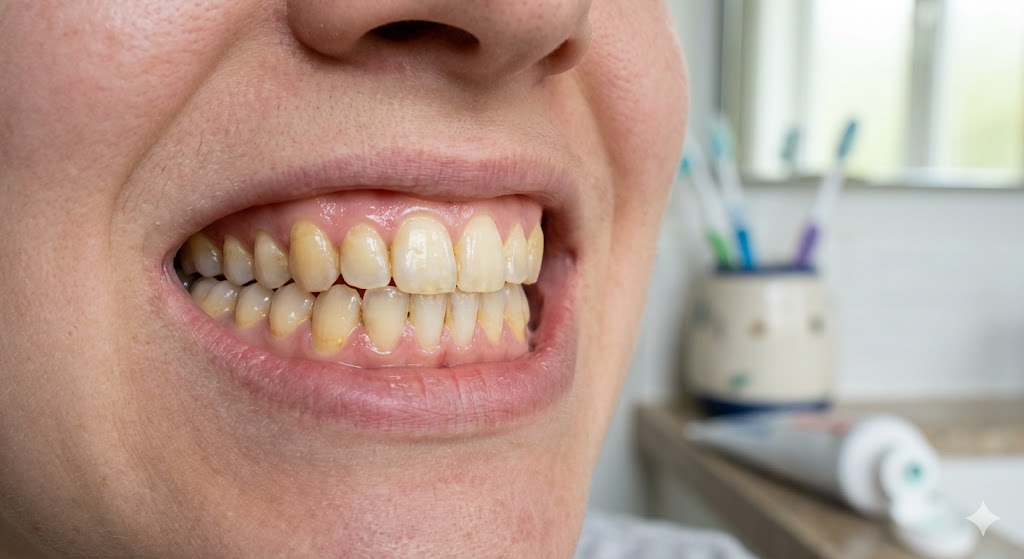
It is one of the most frustrating moments in a morning routine. You stand in front of the mirror, toothbrush in hand, and you notice a change. The reflection staring back at you does not match the effort you put in. Your teeth are turning yellow even though you are brushing every single day. You are not lazy with your oral hygiene. You use a quality toothbrush. You might even use a whitening toothpaste. Yet, the yellow tint remains and it seems to get worse over time.
This experience triggers a wave of confusion and a little bit of panic. You wonder if there is something wrong with your health. You question if your enamel is disappearing. You might even feel embarrassed to smile openly.
The reality is, this happens to millions of people. Brushing your teeth is the foundation of oral health, but it is not a force field against all types of discoloration. Tooth color is a complex interplay of genetics, biology, chemistry, and daily habits. You are not alone in this struggle, and more importantly, you are not powerless.
We will walk through the exact reasons why your teeth are yellowing despite a solid brushing routine. We will tear down common myths. We will look deep into your enamel, your diet, and even your medicine cabinet. By the end of this deep dive, you will understand the “why” and you will have a clear action plan to stop the yellowing and possibly reverse it.
The Anatomy of a Smile: It’s More Than Just the Surface
To understand why the yellow is breaking through, you need to understand what you are working with. A tooth is not a solid, white rock. It is a living, porous structure made of layers.
The Outer Shield: Enamel
Enamel is the hardest substance in the human body. It is a semi-translucent, calcified layer that protects the inner parts of the tooth. When we think of a white smile, we are actually seeing light reflect off the enamel. However, because it is translucent, the layer underneath dictates the overall shade.
The Inner Core: Dentin
Right underneath the enamel sits the dentin. This is a thick, bony tissue. Here is the crucial part: dentin is naturally yellow. Not bright yellow, but a deep, warm shade that ranges from pale yellow to brownish-yellow. The thickness of your enamel acts like a curtain. A thick, opaque curtain hides the yellow dentin. A thin, worn-out sheer curtain lets the yellow show right through.
When your teeth are turning yellow even though you are brushing, the problem usually lives in one of two areas. Either the enamel is thinning out, or the enamel is getting stained by external factors. Sometimes, it is a cruel combination of both.
| The Tooth Layer | Natural Color | Role in Yellowing |
|---|---|---|
| Enamel | Translucent White/Blue-White | Acts as a protective light filter. When thick, it masks the dentin. When thin or eroded, it becomes transparent, revealing the yellow below. |
| Dentin | Pale to Deep Yellow | The core structure. It naturally darkens with age. External stains can also penetrate here if the enamel is porous. |
“Your teeth are not meant to be paper-white. The natural healthy shade of a tooth is a gradient of ivory and warm tones, determined heavily by the dentin beneath the enamel.”
The Hidden Truth About Your Brushing Technique
Wait. Before you blame your diet or your genes, let’s start with the tool in your hand. You said you are brushing. But are you brushing correctly? You might be committing one of two major sins without realizing it. Both lead to yellow teeth.
The Peril of Over-Brushing
Many people associate yellow teeth with poor hygiene. The instinctive reaction is to brush harder, longer, and more aggressively. You think that scrubbing away the yellow will reveal the white. This is a catastrophic mistake.
Brushing too hard, especially with a medium or hard-bristled toothbrush, does not clean the yellow away. It sandblasts the enamel away. Remember, enamel is strong, but it is not indestructible. Abrasive forces physically wear down the white outer layer. As the enamel gets thinner, the yellow dentin underneath becomes more visible. This is called toothbrush abrasion. You will usually see it near the gum line, where the enamel is thinnest.
Signs you might be over-brushing:
- Flattened bristles on your toothbrush within a few weeks.
- Increased sensitivity to hot and cold.
- A darker, more yellow shade near the gum line.
- Teeth that look slightly translucent at the edges.
The “Grocery Store” Toothpaste Trap
Walk down the dental aisle. You will see “whitening” toothpastes everywhere. The marketing is compelling. However, some of these pastes use high Relative Dentin Abrasivity (RDA) scores to chemically scrub stains. If you combine a high-abrasion paste with aggressive brushing, you are basically using sandpaper on your teeth.
Important Note: Not all whitening toothpaste is bad. But if you use a high-abrasion formula every single day, multiple times a day, you are prioritizing short-term stain removal over long-term enamel health. The stain comes off, yes, but so does a microscopic layer of your enamel. Over time, the dentin yellows become more prominent.
The Half-Hearted Brusher
On the opposite end of the spectrum sits the speed brusher. If you brush for only 30 seconds, you are missing entire sections of your mouth. Plaque—a sticky, colorless film of bacteria—builds up rapidly. If you do not remove plaque thoroughly, it hardens into tartar (calculus).
Tartar is not white. It is porous and yellow-ish. It easily picks up stains from coffee and food. You cannot brush off tartar. It bonds to the tooth like cement. So, you are brushing, but you are leaving behind a yellowing, crusty layer that acts like a stain magnet.
- The Fix: Switch to a soft-bristled toothbrush immediately. Hold it with three fingers like a pen; this prevents you from applying too much pressure.
- The Technique: Switch to an electric toothbrush with a pressure sensor. It will warn you or even stop pulsing if you press too hard.
- The Paste: Look for toothpaste that contains hydroxyapatite. This ingredient remineralizes enamel without the harsh abrasion of silica-heavy pastes.
The Acid Bath You Didn’t Know You Were Taking
If your brushing technique is gentle and perfect, the next suspect is chemical erosion. This is the leading cause of “why are my teeth turning yellow even though i brushing” because the damage happens between brushing sessions. The modern diet is a minefield of acids that soften and dissolve enamel.
When you consume something acidic, the pH level in your mouth drops. Once the pH drops below the critical threshold of 5.5, the enamel begins to demineralize. It softens. It becomes vulnerable. The yellow dentin layer creeps closer to the surface.
The Usual Culprits of Acid Erosion
You probably know that soda is bad. But the list of acidic drinks and foods extends far beyond the obvious.
- Lemon Water and Apple Cider Vinegar: This is a health trend that is destroying smiles. People sip on hot lemon water or ACV shots daily for “detox” benefits. These are pure acids directly bathing your teeth. The enamel dissolves slowly, and the teeth turn a dull, dark yellow.
- Sparkling Water: You ditched soda for sparkling water. Good for your waistline, potentially risky for your teeth. Carbonation creates carbonic acid. Plain, unflavored sparkling water has a pH of around 5-6. It is borderline. However, flavored sparkling waters (lime, grapefruit, lemon) often contain citric acid, dropping the pH as low as 3. That is highly erosive.
- Wine: Both red and white wine are acidic. White wine is particularly tricky because it lacks the staining tannins of red wine, so people think it is safe. It actually strips away the protective pellicle and etches the enamel, making your teeth more porous and prone to stains from other foods.
- Sports and Energy Drinks: These are non-negotiable enemies of white teeth. They are a triple threat: high acid, high sugar, and sticky consistency.
- Hidden Sugars and Processed Carbs: It is not just about the acid you drink. The bacteria in your mouth feed on sugar and refined carbohydrates (crackers, chips, white bread). They metabolize these sugars and excrete acid directly onto the tooth surface. This is the acid that causes the most damage because it sits in the plaque right against the enamel for hours.
The Immediate Brushing Mistake
Here is a scenario that perfectly answers “why are my teeth turning yellow even though i brushing”:
You drink a glass of orange juice. You feel a fuzzy film on your teeth. You immediately run to the bathroom and brush them hard to get the acid off. This is the absolute worst thing you can do.
When acid attacks your enamel, it softens the mineral matrix. If you brush while the enamel is in this softened state, you are literally brushing away microscopic layers of tooth structure. You are accelerating the erosion. You are scrubbing the yellow dentin closer to the light.
The 30-Minute Rule: After consuming anything acidic (fruit, juice, wine, soda, sparkling water), you must wait at least 30 minutes before brushing. During this time, your saliva naturally buffers the acids and starts the remineralization process. Rinse your mouth with plain water immediately to dilute the acid. But put the toothbrush down.
Extrinsic Stains: The Stubborn Surface Layer
Even if your enamel is thick and healthy, it is covered in a microscopic film called the acquired pellicle. This layer protects the tooth from acid, but it also loves to absorb pigment. When your brushing technique isn’t removing this film completely, the pigments build up, oxidize, and turn yellow.
The Chromogen Effect
Foods and drinks that are intensely colored contain compounds called chromogens. These are highly pigmented molecules that stick to the tooth pellicle with alarming tenacity.
- Coffee and Black Tea: Rich in tannins. Tannins make the mouth feel dry, and they also cause color compounds to stick more aggressively to teeth. Coffee is acidic and dark; tea is highly tannic. Both create a yellow-brown coating over time.
- Curry and Turmeric: A single meal of a heavily spiced curry can tint your toothbrush yellow. The deep yellow pigments in turmeric penetrate the porous pellicle instantly.
- Tomato Sauce and Berries: Deep reds and blues. Think marinara sauce, bolognese, blueberries, and blackberries. They contain rich chromogens that leave a red-based stain that oxidizes to a dingy yellow-brown.
- Balsamic Vinegar: Dark, sticky, and acidic. It is a perfect storm for staining. It eats away at the tooth slightly, then deposits its dark pigment into the micro-crevices.
These stains start as “extrinsic.” They are on the outside. A professional dental cleaning can blast them away easily. But, if you let them sit for months and years, they can penetrate deeper into the enamel. At that point, brushing won’t touch them.
| Type of Stain | Location | Cause | Can Brushing Remove It? |
|---|---|---|---|
| Extrinsic | On the surface of the enamel | Coffee, tea, wine, smoking, pigmented foods | Yes, but only if removed daily. Stubborn buildup requires professional polishing. |
| Intrinsic | Inside the dentin layer | Genetics, trauma, aging, tetracycline antibiotics | No. Brushing cannot reach the inner structure of the tooth. |
| Erosion-based | Exposed dentin | Thin enamel revealing yellow core | No. You are looking at the natural color of the tooth core. |
The Silent Stain Agent: The Mouthwash Paradox
You might have added a therapeutic mouthwash to your routine to kill bacteria. You check the label. No alcohol. That’s good. But flip the bottle over and look at the active ingredients. Do you see Chlorhexidine? Or Cetylpyridinium Chloride (CPC) ?
While these are excellent at killing bacteria and treating gum disease, they have a notorious side effect: brown and yellow staining on the teeth and tongue. Chlorhexidine, usually a prescription rinse, causes extrinsic staining because it binds to the tooth surface and reacts with dietary chromogens. It essentially makes your teeth stickier for stains.
Even over-the-counter rinses containing Stannous Fluoride, while fantastic for sensitivity and cavity prevention, can cause a superficial yellow or brown stain. The stannous ion interacts with the sulfur produced by bacteria, creating a film that looks yellow. This is a harmless stain, and it actually protects the tooth, but it looks alarming.
Important Note: Do not stop using a prescribed Chlorhexidine rinse without talking to your dentist. You can manage the staining with a professional cleaning. But if you are using a cosmetic rinse and noticing yellowing, switch to a stain-free fluoride rinse.
Intrinsic Factors: When the Yellow Comes from Within
This is the category that makes people feel helpless. Intrinsic discoloration happens inside the tooth structure (dentin). If the yellow is coming from within, a toothbrush has zero effect on changing the color. This is where genetics and life history play a massive role.
1. The Genetic Lottery
Pick up your phone and look at a selfie with your parents. The natural color and thickness of your enamel are hereditary traits. Some people are simply born with genetically thinner enamel. They did nothing wrong. Their teeth are just structured so the yellow dentin is more visible from day one. Alternatively, some people have genetically darker or more yellow-tinged dentin. If your natural dentin shade is a deep amber, even the thickest enamel cannot fully mask that warmth.
2. The Inevitability of Aging
You brush perfectly. You never miss a day. Yet, year after year, your smile darkens. This is not your fault. It is biology. Over a lifetime, the outer enamel layer slowly wears away simply from chewing, speaking, and the mechanical forces of life. This is called physiological wear. As the enamel thins microscopically over the decades, the yellow dentin underneath becomes more dominant.
Furthermore, dentin does not stay the same color. Throughout life, the body lays down more secondary dentin inside the tooth chamber. This new dentin is usually darker, more opaque, and more yellow. The tooth literally grows darker from the inside out as you age.
3. Developmental Conditions
Sometimes, the way a tooth formed affects its color.
- Enamel Hypoplasia: This is a condition where the enamel didn’t form completely or is patchy. It results in thin, pitted, and yellow or brown teeth.
- Celiac Disease: People with celiac disease often have dental enamel defects, specifically yellow, brown, or white spots. The malabsorption of nutrients during tooth development interferes with enamel formation.
- Fluorosis: While fluoride is a cavity-fighter, ingesting too much fluoride during childhood (when adult teeth are still developing under the gums) causes enamel fluorosis. Mild fluorosis looks like white, lacy spots. Severe fluorosis causes pitting and brown/yellow staining that is intrinsic and resistant to whitening.
4. The Medicine Cabinet Effect
Have you ever heard the phrase “tetracycline teeth”? If you took the antibiotic tetracycline or doxycycline as a child (or your mother took it during pregnancy), the drug binds to the calcium in developing teeth. This causes intrinsic, dark grey, brown, and yellow horizontal bands deep inside the dentin. No amount of brushing will lighten these. It is one of the most profound examples of internal staining.
Other medications cause discoloration too. Certain blood pressure medications, antihistamines, and antipsychotics can alter tooth color. Even liquid iron supplements can cause an instantly black staining upon contact, though this is extrinsic.
The Hidden Life of Your Nerves: Trauma and Dead Teeth
A single dark or yellow tooth that stands out from the others is a red flag. If you notice one tooth turning dull yellow, grey, or brown, think back. You might have fallen off a bike years ago. You might have bumped your mouth on a table edge as a toddler.
Dental trauma can cause internal bleeding in the pulp chamber (the nerve and blood supply inside the tooth). Think of it like a bruise under your fingernail. The blood breaks down, and the iron from the hemoglobin releases. This iron sulfide penetrates the dentin tubules, turning the entire tooth a dark yellow, grey, or brown.
This also happens when the nerve of the tooth dies silently. You may not even feel pain. The blood supply stops, the tissue necrotizes, and the tooth darkens. This is an intrinsic stain that demands a root canal treatment and internal bleaching, not a harder brushing routine.
Can Diet Choices Cause Yellowing Despite Brushing? Yes, Absolutely.
Let’s go deeper into the food link. The connection between diet and yellow teeth is not just about coffee staining the surface. It is about a nutritional deficiency that weakens the structure itself.
The Vitamin Void
The body needs specific nutrients to maintain the hard and soft tissues of the mouth. If your diet is poor, your teeth suffer.
- Vitamin D and Calcium: These are the building blocks of teeth. Without enough Vitamin D, you cannot absorb calcium properly. A deficiency leads to weak, demineralized enamel that is more translucent and prone to revealing yellow dentin.
- Vitamin K2: This vitamin works with Vitamin D to shuttle calcium into the bones and teeth while pulling it out of soft tissues (like arteries). A K2 deficiency can lead to poorly mineralized teeth.
- Vitamin C: Scurvy is the extreme case, but subclinical Vitamin C deficiency leads to weak, bleeding gums and fragile dentin.
A diet of processed foods creates a chronic low-grade malnutrition state that prevents your saliva from performing its remineralizing job. Even if you brush, you are brushing teeth that are starving from the inside.
The Dry Mouth Epidemic
Saliva is the unsung hero of white teeth. It is the body’s natural mouthwash. It has a high concentration of calcium and phosphate that constantly bathes the teeth and reverses early decay (white spot lesions). It washes away food particles and buffers acids.
If you suffer from dry mouth (xerostomia), your teeth are turning yellow even though you are brushing because the protective liquid has dried up.
- Medications: Over 400 medications list dry mouth as a side effect, including antidepressants, anti-anxiety meds, decongestants, and opioids.
- Mouth Breathing: Sleeping with your mouth open dries out the teeth. You might brush perfectly at night, but eight hours of dry, open-mouth sleep leaves your teeth vulnerable and sticky for bacteria.
- Dehydration: Simply not drinking enough water reduces your salivary output.
The “Healthy” Habits That Are Backfiring
We touched on lemon water, but the rabbit hole of “healthy” yellowing goes deeper. You are trying to live a better life, but the teeth are paying the price.
Oil Pulling with Coconut Oil?
Oil pulling removes bacteria, but it does not whiten teeth intrinsically. If you are aggressively swishing for 20 minutes expecting a Hollywood smile, you will be disappointed. While largely safe, it cannot reverse intrinsic yellowing.
Charcoal Toothpaste?
This trend is a disaster for “why are my teeth turning yellow even though i brushing.” Charcoal is incredibly abrasive. It is ground up burnt wood or coconut husks. It works by scraping off the surface layer. Yes, it removes surface coffee stains. It also scrapes off your enamel. Many users have reported their teeth becoming darker and more yellow after the initial “white” phase, simply because they scrubbed away the white enamel and exposed the grey-yellow dentin. Avoid charcoal toothpaste entirely.
Baking Soda and Lemon Juice DIY?
Never. Never mix baking soda (abrasive base) with lemon juice (acid). You are creating a foaming reaction of abrasion and acid dissolution. This literally dissolves your enamel into a chalky, weak mess. You will brush away the dissolved enamel immediately. This is a recipe for transparent, yellow, painfully sensitive teeth.
Reversing the Yellow: A Strategic Guide
You have identified the cause. Now, how do you fix it? The strategy depends entirely on whether the yellow is external (extrinsic) or internal (intrinsic).
Step 1: The Professional Reset
Before you spend a penny on YouTube hacks or fancy products, go to the dentist for a professional cleaning. A dental hygienist uses specialized tools to scale away tartar and a polisher to remove extrinsic surface stains. A single hour in the chair can remove years of yellow biofilm that your brush couldn’t touch. This gives you a clean, true baseline. You might discover your teeth are actually quite white underneath that stubborn stained plaque.
Step 2: Choose Your Whitening Weapon Wisely
Based on the type of staining, you have different options.
For Surface Stains (Extrinsic):
- Enzymatic Toothpastes: Look for pastes containing “papain” and “bromelain” (from papaya and pineapple). These enzymes break down the protein film (pellicle) without being abrasive. They dissolve the dirt instead of sanding the wood.
- Sonic Toothbrush: Studies show that sonic vibration helps break up the plaque biofilm and push fluid (saliva and toothpaste) deeper between the teeth, lifting stains more gently than manual abrasion.
- Hydrogen Peroxide Rinses: A very low concentration (1.5% or less) used as a pre-brush rinse can lift extrinsic stains gently.
For Deep Stains (Intrinsic):
- Peroxide Gels (Carbamide or Hydrogen): Whitening strips and dentist-made trays use peroxide to penetrate the enamel and oxidize the yellow dentin molecules inside the tooth. This is the only real chemical way to lighten the inner yellow.
- Internal Bleaching: For a dead, dark tooth, the dentist drills a small access hole behind the tooth, inserts peroxide gel inside the tooth chamber, and seals it up. The gel whitens the tooth from the inside out.
| Method | Target Stain | Risk | Recommendation |
|---|---|---|---|
| Enzymatic Toothpaste | Extrinsic (Food film) | Very Low | Safe daily use. Gentle whitening. |
| Silica Toothpaste (Low RDA) | Mild Extrinsic | Low | Daily use. Look for RDA below 70. |
| Charcoal Toothpaste | Extrinsic (Aggressive) | Extremely High | Do not use. Causes permanent enamel loss and yellowing. |
| Whitening Strips (5-10% Peroxide) | Intrinsic (Dentin) | Medium (Sensitivity) | Good for general yellowing due to age. Use with desensitizing gel. |
| Dentist Tray Bleaching | Intrinsic | Low (Supervised) | The gold standard. Custom trays prevent gum burns. Most dramatic results. |
| Microabrasion | Surface white/brown spots | Medium (Enamel loss) | A dentist rubs a mix of acid and pumice. Only for spot treatment, never full smile. |
Step 3: Build a Remineralization Fortress
You need to thicken that translucent enamel. You cannot regrow it, but you can “heal” the microscopic pores that make it look transparent.
- Nano-Hydroxyapatite (n-HA): This is the holy grail. Toothpaste containing n-HA deposits a bio-identical mineral layer onto the enamel. It fills in the scratches and tubules, making the enamel thicker, smoother, and whiter. It masks the yellow dentin by making the surface layer more opaque.
- Fluoride Varnish: Ask your dentist for a high-fluoride varnish treatment. It helps remineralize and harden the softened enamel.
Lifestyle Corrections: The “How-To” of Eating and Drinking
You do not have to give up coffee or wine. You just need to engineer your consumption.
- The “Time Limit” Strategy: Do not nurse a cup of coffee or a can of soda for three hours. Every sip restarts the acid clock. If you drink it, finish it within 15-20 minutes. This limits the duration of the acid attack.
- The Straw Defense: Use a reusable straw for acidic and dark drinks (iced coffee, soda, sparkling water, red wine). Position the straw toward the back of your mouth. This bypasses the front teeth almost entirely.
- The Cheese Finish: Eat a small piece of hard cheese, like cheddar, after an acidic meal or drink. Cheese stimulates saliva flow incredibly well and creates a protective fatty film on the enamel that blocks acid.
- Swish Logic: Swish vigorously with plain water after coffee, wine, or berries. This simple mechanical action dislodges chromogens before they settle into the pellicle.
- Chew Xylitol Gum: Xylitol starves the acid-producing bacteria and stimulates massive saliva flow. Chew a piece after meals if you cannot brush.
The Toothbrush Replacement Schedule
You might be using a toothbrush that is far too old. A worn-out toothbrush with frayed, bent bristles cannot remove the daily biofilm effectively. The bristles splay outward, skipping the critical gum line area where yellow plaque calcifies.
- Rule: Replace your manual toothbrush or electric brush head every 3 months, or sooner if the bristles are frayed.
- Storage: Do not store your brush in a sealed, damp travel case. This breeds bacteria. Store it upright in the open air to dry.
The Connection Between Allergies and Yellow Teeth
This is a connection few people make. Seasonal allergies or chronic sinusitis cause inflammation in the nasal passages. This forces you to breathe through your mouth, especially at night. As we discussed, mouth breathing leads to severe dry mouth.
No saliva flow at night equals no acid buffering and no washing. The teeth dry out. Plaque thickens. It calcifies faster into yellow tartar, specifically on the inside of the lower front teeth and the outside of the upper molars. If you wake up with a dry, sore throat and yellow lines on your teeth, the root cause isn’t your brushing technique; it is your blocked nose. Treat the allergies with an antihistamine, use a humidifier in your bedroom, and use a moisturizing dry mouth spray before sleep.
Why Did My Teeth Turn Yellow Overnight?
Teeth do not generally turn drastically yellow in one 24-hour period unless it is a stain from a single source. However, people perceive it as “sudden” when they look in a different mirror or under different lighting.
However, acute yellowing can happen:
- Chlorhexidine Rinse Reaction: Using a new medicated rinse can cause a noticeable overnight stain.
- Iron Supplement Staining: A liquid iron supplement can cause an instant black-and-yellow chemical stain on the plaque.
- A Visual Trick: You might have removed a distracting factor. For example, braces removal. You brushed religiously for two years. The brackets come off, and suddenly you see the contrast. The protected squares are white, and the surrounding exposed enamel is yellow. This makes the yellow look violently sudden, even though it was always there.
The Psychological Weight of Yellow Teeth
It is important to validate the emotional distress here. Social media filters and professional whitening treatments have distorted our perception of normal human tooth color. The standard for “acceptable” is now a unnaturally uniform, opaque, refrigerator-white set of veneers.
Seeing your teeth turn yellow can trigger social withdrawal. You stop smiling. You cover your mouth when you laugh. You analyze everyone’s teeth to compare them to your own. The feeling that your hygiene efforts are failing creates a sense of helplessness.
Please understand this: translucent edges, warm ivory hues, and slight natural yellowing at the gum line are signs of real, living teeth. Do not let filtered reality make you destroy your enamel chasing an impossible, paper-white standard. A healthy, well-cared-for smile has character and warmth. Focus on health first. Whiteness is secondary.
When Brushing is Futile: The Amalgam and Restoration Shadow
Check your back teeth. Do you have large, old silver amalgam fillings? Over decades, the metal in these fillings corrodes and leaches into the tooth structure, creating a dark blue-grey or yellow-black shadow that shows through the enamel. The tooth itself is fine, but the filling is casting a dark stain that brushing can never touch. Replacing these with tooth-colored composite or ceramic restorations removes the shadow.
Similarly, old composite (white) fillings stain at the edges. A microscopic gap forms between the filling and the tooth, trapping yellow gunk. This looks like a yellow halo around the filling. It is not the tooth surface; it is the leaky margin. A dentist must polish or replace the filling.
The Ultimate Daily Routine to Stop the Yellowing
Let’s build a schedule that integrates everything we have learned.
Morning (Before Breakfast):
- Dry brush (no paste) gently to remove the biofilm that formed overnight.
- Rinse with water.
- Eat breakfast.
Morning (After Breakfast – Wait 30 mins if you had OJ/fruit):
- Apply nano-hydroxyapatite or low-abrasion fluoride toothpaste to a soft or sonic brush.
- Brush for 2 full minutes. Focus on the gum line at a 45-degree angle.
- Spit, but do not rinse with water. Let the good ingredients coat the teeth.
Throughout the Day:
- Drink water frequently to keep saliva flowing.
- Use a straw for acidic/dark drinks.
- Rinse mouth with water after coffee or a snack.
- Chew xylitol gum after lunch.
Evening (The “Deep Clean”):
- Floss meticulously. This removes the plaque that turns into yellow tartar between teeth. Wrap the floss around each tooth in a C-shape.
- Brush with your remineralizing toothpaste for 2 minutes. An electric brush is superior here.
- Use a tongue scraper. A yellow-coated tongue sheds bacteria onto your teeth.
- If using a whitening strip or gel, apply it to dry teeth. Wait 30 minutes.
- Apply a moisturizing dry mouth spray or gel if you are a mouth breather.
Comparative Guide: Professional Treatments for Yellow Teeth
If the DIY path isn’t giving you the results you dream of, the dental chair is your next stop. Knowing the options will help you have an intelligent conversation with your dentist.
| Treatment | Mechanism | Duration | Best For | Limitations |
|---|---|---|---|---|
| Hygiene Scaling & Polish | Removes tartar and extrinsic stain via water sprayer and prophy paste. | 30-60 mins | Heavy yellow calculus, surface stains. | No intrinsic change. Just a clean baseline. |
| In-Office Laser/Light Bleaching | High-test peroxide gel activated by heat/light. | 1-2 hours | Rapid whitening for deep yellow dentin. | Can cause severe temporary sensitivity. Results fade if diet isn’t fixed. |
| Custom Tray Home Bleaching | Dentist-made trays with 10-15% carbamide peroxide gel worn nightly. | 2-6 weeks | Slow, steady, controlled intrinsic whitening. | Takes discipline. Gums must be healthy. |
| Composite Bonding | Tooth-colored resin painted on and sculpted to cover yellow enamel. | 1-2 hours per tooth | Severe single-tooth yellowing, patchy spots, hypoplasia. | Stains over time, can chip. Not permanent. |
| Porcelain Veneers | Thin shells of ceramic that cover the front of the teeth. | 2-3 visits | Genetically thin/dark yellow enamel; Tetracycline staining. | Expensive. Irreversible (enamel is shaved down). Replaced every 10-15 years. |
“The best patient is an informed patient. Understand that whiter teeth are not always healthier teeth. We aim for a smile that is sound, functional, and naturally radiant.” – Dr. Anika Patel, DDS (Fictional Expert Quote for Context)
The Hidden Link Between Acid Reflux and Yellowing
This is a massive, under-discussed factor in enamel erosion. Gastroesophageal Reflux Disease (GERD) or even silent reflux (LPR) washes stomach acid (pH around 2.0) up into the mouth, usually at night. You might not even feel heartburn.
Signs your yellowing is reflux-related:
- The yellowing and erosion are mostly on the inside (tongue side) of the top teeth and the chewing surfaces of the bottom molars.
- You have a chronic cough, tickle in your throat, or post-nasal drip.
- Your teeth look “worn down” and thin at the edges.
If you suspect this, you must see a gastroenterologist. Brushing will not matter if you are bathing your teeth in stomach acid for eight hours every night. Fix the reflux; then address the cosmetic damage.
Supplements and Pills: A Quick Note on Staining
You might be taking supplements to feel better, but they’re catching up to your smile.
- Iron Pills: Constipation and black teeth are the two most notorious side effects. Liquid iron is more staining, but even pill forms can cause a grey tint if they dissolve on a sticky surface.
- Multivitamins with High Mineral Content: Some heavy metal minerals (iron, zinc, copper) can react with the biofilm.
- Antibiotics: Amoxicillin and others rarely cause superficial discoloration. It usually goes away.
The Water Source Myth vs. Reality
There is a persistent myth that well water causes yellow teeth. It is partially true but only under very specific circumstances. If your water source has an extremely high concentration of minerals like iron or manganese, the residue can deposit a surface stain over decades. This is extrinsic and removable. It is not the same as the developmental intrinsic fluorosis spots from ingesting high-fluoride water during childhood. An adult switching to well water won’t develop intrinsic fluorosis stains because the teeth are already formed.
Conclusion
The frustration of watching your teeth turn yellow despite a diligent brushing routine almost always points to a mismatch between effort and method. The root cause is rarely a lack of care, but rather an imbalance in technique, a hidden biological reality, or an invisible dietary acid assault. Brushing aggressively to scrub away the yellow is the most common and destructive reaction, which silently thins the protective white enamel and exposes the darker dentin core beneath. The true solution lies in shifting your goal from scrubbing the tooth surface to protecting and rebuilding that enamel layer through gentle cleaning, saliva stimulation, and smart dietary timing, while accepting that the warm, natural hues of healthy dentin are a normal part of a living smile.
FAQ: Your Questions Answered
1. Is it normal for teeth to look more yellow at the gum line?
Yes, completely normal. The enamel naturally tapers and becomes thinner near the gum line. The root surface, which is covered by soft cementum, is also slightly darker. If the gum recedes even a tiny bit, the yellow cementum layer is exposed. This specific area is very vulnerable to over-brushing damage.
2. Can yellow teeth become white again by brushing alone?
If the yellow is purely from surface stains (tobacco, coffee film), yes, a very thorough cleaning routine or a professional dental polish can remove it. However, if the yellow is due to thin enamel showing the dentin, or if it is an intrinsic tooth color, brushing alone cannot chemically change the deep structure of the tooth. You would need peroxide bleaching or restorative options.
3. Why are my son’s/daughter’s new adult teeth more yellow than their baby teeth?
This is completely natural and usually shocks parents. Baby teeth are naturally milky-white and opaque. Permanent adult teeth have a much thicker layer of yellow dentin. The contrast of the giant, translucent adult incisors next to the tiny, opaque baby teeth creates an optical illusion of extreme yellowness. This is the natural, healthy color of adult teeth.
4. Does electric toothbrush cause yellow teeth?
No, the electric toothbrush itself does not cause yellowing. In fact, it is generally much better at removing stain-causing plaque than a manual brush. However, if you use a very abrasive toothpaste and press down extremely hard with an electric brush (some people treat it like a scrubbing machine), you can accelerate enamel wear. Use gentle force and let the brush do the work.
5. How long does it take to reverse enamel erosion yellowing?
You cannot chemically “reverse” deep erosion because enamel does not grow back. However, you can mask the yellow appearance of very shallow erosion in a matter of weeks. Using toothpaste with nano-hydroxyapatite or fluoride can remineralize the microscopic pores, making the enamel slightly denser and more opaque, thus hiding the yellow dentin better. For deep erosion, bonding or veneers are the only way to completely cover the dentin.
Additional Resource:
For a deep look at how specific prescription drugs affect salivary flow and tooth health, consult the National Institute of Dental and Craniofacial Research (NIDCR) section on dry mouth. They provide exhaustive lists of xerostomic medications and management strategies.
Disclaimer:
This article is for informational and educational purposes only and does not constitute medical or dental advice. The content is not intended to be a substitute for professional diagnosis, examination, or treatment. Always seek the advice of your dentist or other qualified health provider with any questions you may have regarding a dental or medical condition. Never disregard professional dental advice or delay in seeking it because of something you have read on this website.