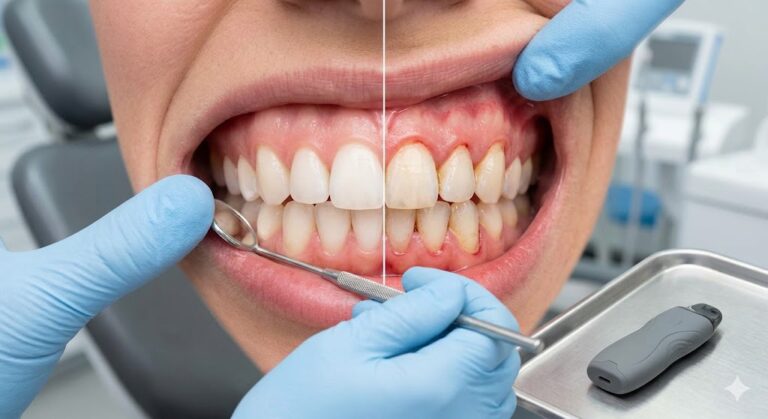
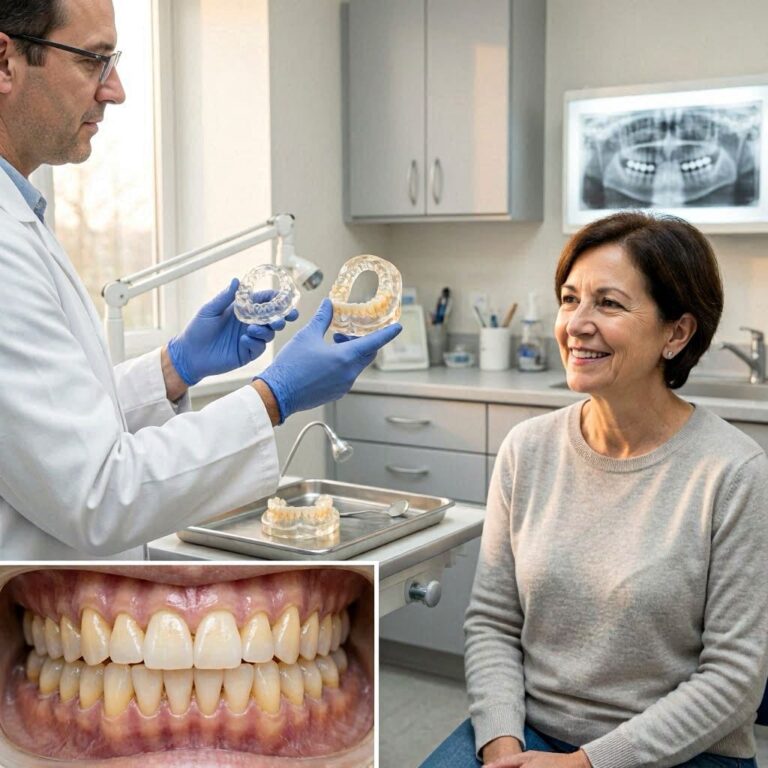
Preparing for a medical scan often brings up many questions about your health history. If you have restorative work in your mouth, you might wonder: can MRI be done with dental crowns safely? It is a common concern for many patients who want to ensure their upcoming diagnostic procedure goes smoothly. can mri be done with dental crowns Modern imaging technology is highly advanced, yet understanding the materials inside your mouth remains essential for peace of mind. Most modern restorations are non-magnetic, meaning they typically do not interfere with the powerful magnets used during your scan. By learning about the composition of your specific hardware, you gain the confidence needed to communicate effectively with your medical team. Key Takeaways Understanding MRI Technology and Dental Materials Many patients wonder how their dental restorations behave when exposed to the powerful forces of an MRI machine. Prioritizing MRI safety for dental work requires a basic understanding of how these sophisticated diagnostic tools function in a clinical setting. How Magnetic Resonance Imaging Works Magnetic Resonance Imaging, or MRI, uses a powerful magnetic field and radio waves to generate detailed images of your internal structures. Unlike X-rays, this technology does not rely on ionizing radiation to capture data. The machine aligns the hydrogen atoms in your body using a strong, constant magnetic field. Once aligned, radio frequency pulses are applied to disrupt this alignment, causing the atoms to emit signals that a computer translates into high-resolution images. The Interaction Between Magnetic Fields and Metal The primary concern regarding MRI safety for dental work involves how specific metals react to the intense magnetic pull. Some materials are ferromagnetic, meaning they are strongly attracted to magnets, which can cause movement or heating. “The safety of a patient with metallic implants depends largely on the magnetic properties of the specific alloy used in their dental restoration.” — Radiology Imaging Standards Most modern dental crowns are crafted from materials that are non-ferromagnetic, making them generally safe for the imaging environment. The following table outlines how different materials typically behave during a scan: Material Type Magnetic Property MRI Compatibility Pure Gold Non-ferromagnetic Safe Ceramic/Porcelain Non-metallic Safe Stainless Steel Ferromagnetic Requires Caution Titanium Alloys Paramagnetic Generally Safe Understanding these material properties is a vital step in ensuring MRI safety for dental work. Always consult with your healthcare provider to confirm that your specific dental hardware is compatible with the imaging equipment being used. Can MRI Be Done with Dental Crowns If you are wondering whether your dental crown will interfere with an MRI, you are not alone. Many patients feel anxious about how their dental hardware might react to the powerful magnetic fields used in imaging technology. Fortunately, the vast majority of people can undergo these scans without any complications. General Safety Guidelines for Dental Restorations When you arrive for your appointment, the medical team will prioritize MRI safety for dental work by asking you to complete a screening form. This document helps the staff identify the specific materials present in your mouth. Radiologists follow strict protocols to ensure that any metallic components are compatible with the high-strength magnets in the scanner.…