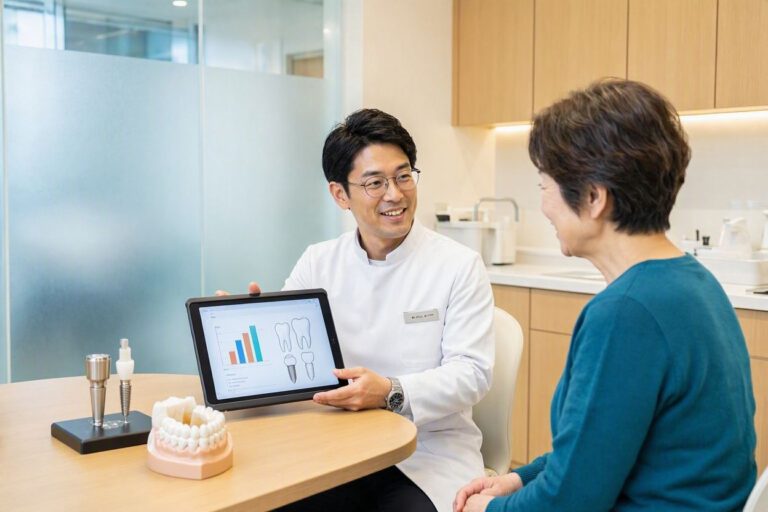
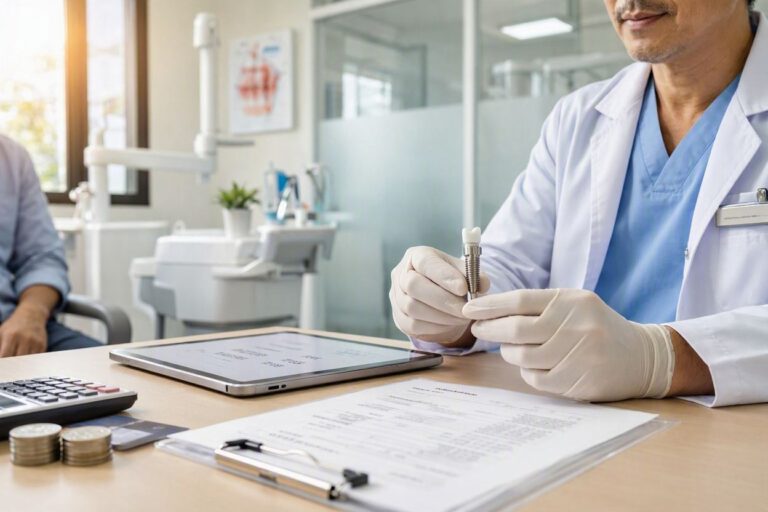
Bogota Dental Implants: Costs, Clinics, and What to Expect
If you are reading this, chances are you have been searching for a reliable, affordable, and high-quality solution to replace missing teeth. You may have heard whispers from friends or seen posts online about dental tourism in South America. Let me tell you straight: Bogota dental implants have become one of the most sought-after procedures in the world, and for good reason.
But let’s be honest. The internet is full of confusing information. Some websites promise “miracle same-day teeth” for $500. Others scare you with horror stories about infections and failed surgeries. You need the truth. You need a realistic, human guide that walks you through every step.
This article is that guide. I have spent weeks researching, talking to local Colombian dentists, and gathering real patient experiences. By the time you finish reading, you will know exactly whether Bogota is the right choice for you, how much you should actually pay, and how to avoid common pitfalls.
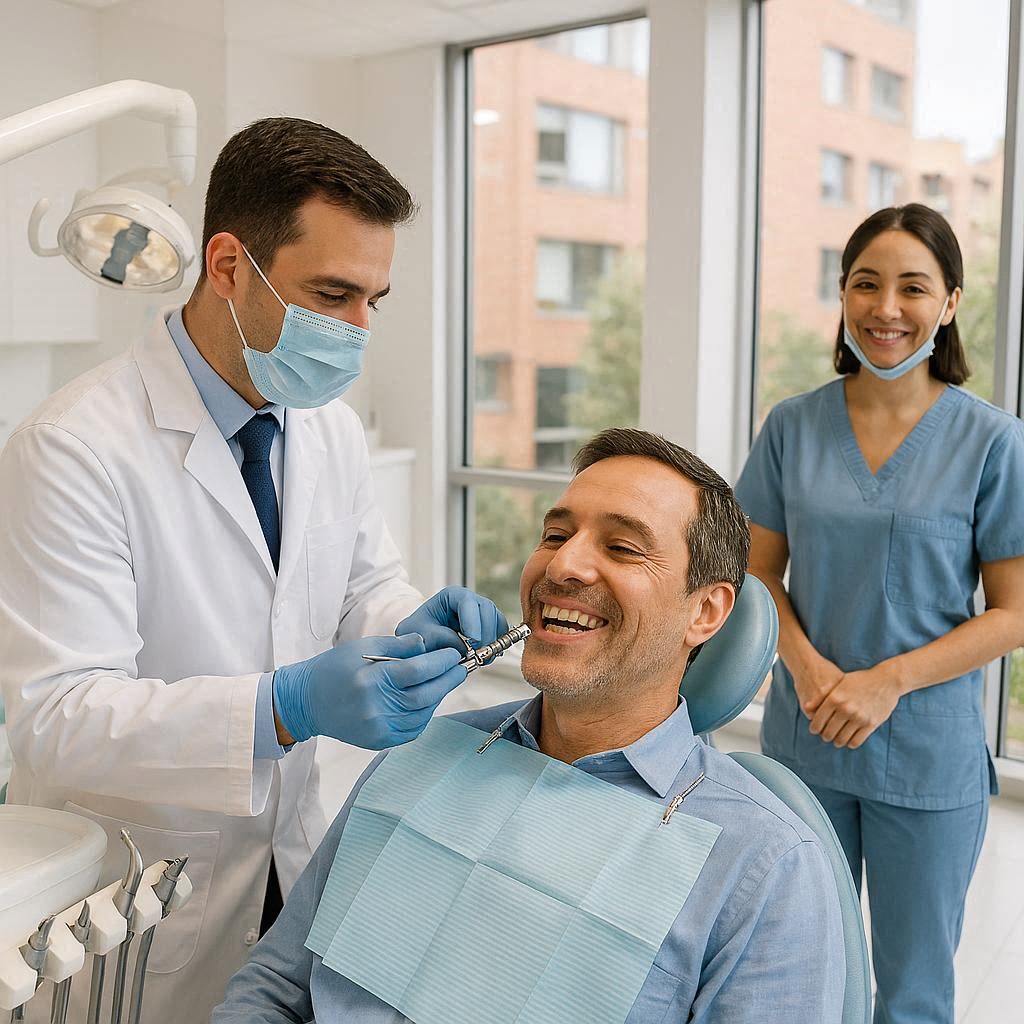
Why Are People Flocking to Bogota for Dental Implants?
You might be wondering: Why Bogota? Why not Mexico, Costa Rica, or even Hungary? The answer lies in a perfect storm of three factors: price, expertise, and technology.
Bogota is the capital of Colombia. It is a sprawling, energetic city at 2,640 meters above sea level. Over the past decade, it has quietly become a hub for medical tourism. But unlike other destinations that focus only on plastic surgery, Bogota has developed a world-class dental infrastructure.
The Quality-to-Price Ratio
In the United States or the United Kingdom, a single dental implant can cost you between 3,000and6,000. That is often without the crown. In Bogota, the same implant, placed by a specialist with international training, typically costs between 800and1,500. That includes the abutment and the crown.
Let that sink in for a moment. You could get three or four implants in Bogota for the price of one back home.
Training That Rivals First-World Countries
Many Colombian dentists complete their education in top universities like Universidad El Bosque or Universidad Nacional. Then, many pursue postgraduate certifications in implantology from institutions in Brazil, Spain, or the United States. Some have even trained at the Misch International Implant Institute or the gIDE institute in Los Angeles.
*“I was skeptical at first,” says Mark, a 54-year-old patient from Texas. “But my dentist in Bogota had the same Zimmer Biomet implants I would have gotten in Houston. He spoke perfect English and showed me his diploma from NYU. I felt safer than in some US clinics.”*
Cutting-Edge Technology
Many clinics in Bogota are equipped with:
- Cone Beam CT scans (3D imaging)
- Digital intraoral scanners (no more goopy impressions)
- In-house CAD/CAM milling units for same-day crowns
- Surgical guides for flapless implant placement
This is not third-world dentistry. This is dentistry that competes with Zurich, Singapore, or Boston.
Understanding Dental Implants: A Simple Breakdown
Before we talk about Bogota specifically, let’s make sure we are on the same page about what a dental implant actually is.
What Is a Dental Implant?
Think of a dental implant as an artificial tooth root. It is typically made of medical-grade titanium (or zirconia for metal-free options). A surgeon places this screw-like post into your jawbone. Over three to six months, your bone grows around the implant—a process called osseointegration. This creates a rock-solid foundation. Then, a connector (the abutment) and a crown (the visible tooth) are attached.
The Three Parts of an Implant
| Component | Purpose | Material |
|---|---|---|
| Implant post | Acts as the new root | Titanium or zirconia |
| Abutment | Connects post to crown | Titanium or zirconia |
| Prosthetic crown | Visible tooth | Porcelain, zirconia, or ceramic |
Who Is a Good Candidate?
You are a good candidate if you:
- Have one or more missing teeth
- Have a fully grown jawbone (usually over 18 years old)
- Have sufficient bone density (if not, you may need a bone graft)
- Have healthy gums (no active periodontal disease)
- Do not smoke heavily (smoking reduces success rates)
- Are committed to good oral hygiene
Important note: If you have uncontrolled diabetes, autoimmune diseases, or are undergoing radiation therapy to the jaw, you may not be a candidate. Always bring your full medical history to your consultation.
The Full Cost Breakdown of Bogota Dental Implants
Let me be transparent with you. The price you see advertised online is rarely the final price. But in Bogota, the transparency is generally much better than in other countries. Here is a realistic breakdown in US dollars (as of 2025).
Average Prices in Bogota (Per Implant + Crown)
| Procedure | Low-end clinic (USD) | High-end clinic (USD) | Average (USD) |
|---|---|---|---|
| Single implant + crown | $750 | $1,500 | $1,100 |
| All-on-4 (per arch) | $5,000 | $9,000 | $7,000 |
| All-on-6 (per arch) | $6,500 | $11,000 | $8,500 |
| Bone graft (small) | $200 | $500 | $350 |
| Sinus lift | $400 | $800 | $600 |
| CT scan | $50 | $150 | $100 |
| Temporary crown | $100 | $250 | $175 |
What Is Usually Included in a Bogota Implant Package?
Many clinics offer “all-inclusive” packages for international patients. These often include:
- Initial consultation and CT scan
- Implant surgery
- Abutment and final crown (zirconia or porcelain)
- One set of post-op X-rays
- A basic take-home kit (toothbrush, special floss, chlorhexidine rinse)
Some premium packages also include:
- Airport pickup and drop-off
- Accommodation discounts (partner hotels)
- A companion translator (if needed)
- A one-year warranty on the implant
Hidden Costs to Watch Out For
Even in Bogota, you should ask for a detailed written quote. Watch for these potential extras:
- Extractions: Removing a broken tooth may cost 50–150 extra.
- Temporary prosthesis: If you need a temporary denture while healing, that may be extra.
- Sedation/anesthesia: Local anesthesia is free. IV sedation or general anesthesia costs 200–400 per session.
- Travel costs: Your flight and hotel are rarely included. Budget 400–700 for a round-trip flight from Miami or Houston, and 40–80 per night for a nice hotel in a safe area like Chicó or Zona Rosa.
Step-by-Step: What Happens During Your Bogota Implant Journey
Let’s walk through the process from the moment you land at El Dorado International Airport (BOG) to the day you fly home with a new smile.
Step 1: Remote Pre-Screening (4–8 weeks before travel)
Most reputable clinics will ask you to send:
- A panoramic X-ray (if you have one)
- Photos of your teeth and gums from different angles
- Your medical history and medication list
Some clinics may request a CBCT scan (3D) sent digitally.
“I sent photos from my phone,” recalls Sarah, 42. “The clinic coordinator replied within 24 hours with a preliminary quote and a list of hotel recommendations. It felt very professional.”
Step 2: Arrival and In-Person Consultation (Day 1)
You will visit the clinic for a physical exam. Expect:
- A thorough cleaning (if needed)
- A full-mouth CT scan (if not done remotely)
- A discussion about your goals: Are you missing one tooth or all of them?
- Review of sedation options
- A final, binding written quote
Do not skip this step. Never agree to surgery on the same day you arrive without a consultation.
Step 3: Pre-Surgical Preparations (Day 2 or 3)
If you need extractions, bone grafts, or treatment for gum disease, those happen first. For example:
- Simple extraction + immediate implant: Possible if the infection is minimal.
- Bone graft: Usually requires 4–6 months of healing before the implant can be placed. But some clinics in Bogota use advanced techniques like “socket grafting” to place the implant at the same time.
Step 4: Implant Placement Surgery (Day 3 or 4)
The surgery itself is surprisingly straightforward.
- Duration: 20–60 minutes per implant.
- Anesthesia: Local numbing is standard. You will be awake but feel no pain. If you are anxious, ask for oral sedation (a pill) or IV sedation.
- Process: The dentist makes a small incision in your gum, drills a precise pilot hole, inserts the implant, then places a healing cap or a temporary crown.
You will walk out of the clinic the same day. You will not be “toothless” unless you choose to be.
Step 5: Osseointegration and Healing (3–6 months)
This is the waiting period. The implant must fuse with your bone. During this time:
- You will eat soft foods for the first 7–10 days.
- You will wear a temporary partial denture or bridge (if needed).
- You will return to the clinic for a check-up after 2–3 months.
Can you go home during this period? Yes. Many patients fly back to their home country and return to Bogota for the final crown placement. Alternatively, some clinics offer to send the abutment and crown to a local dentist in your home country for final placement (extra fees apply).
Step 6: Abutment and Final Crown (Month 4–6)
Once the implant is stable, the dentist:
- Removes the healing cap.
- Attaches the abutment (the connector piece).
- Takes a digital scan or physical impression.
- Fabricates your permanent crown (one to three days).
- Screws or cements the crown onto the abutment.
Congratulations. You now have a tooth that looks, feels, and functions like a natural one.
Top Bogota Clinics for Dental Implants (Honest Review)
I will not pretend that every clinic in Bogota is excellent. Some are bad. Some are dangerous. Below are criteria to look for, plus a few clinics that have earned international trust.
How to Choose a Clinic: Red Flags and Green Flags
Green flags (good signs):
- The dentist is a member of the International Congress of Oral Implantologists (ICOI) or the Colombian Association of Implantology (ACIO).
- The clinic uses brand-name implants (Straumann, Nobel Biocare, Zimmer Biomet, Implance, or Neodent).
- They provide a warranty in writing (minimum 1 year for the implant, 5 years for the crown).
- They have English-speaking coordinators.
- Their Google or Trustpilot reviews include photos and are not all 5-star fake reviews.
Red flags (run away):
- “$299 implants” advertised. That is impossible for a quality implant with a crown.
- No CT scanner on site.
- They refuse to give you the implant’s serial number or brand.
- No written warranty.
- High-pressure sales tactics (“Sign today and get 50% off!”).
Clinics Worth Researching (Examples)
| Clinic Name | Neighborhood | Known for | Implant Brand | Approx. Price per implant |
|---|---|---|---|---|
| Sonríe30 | Zona Rosa | All-on-4 specialists | Straumann | $1,200 |
| Odontoiatria | Chapinero | Digital workflow, same-day crowns | Neodent | $1,000 |
| DentiCenter Unilago | Chico | English-friendly, sedation options | Zimmer Biomet | $950 |
| Implantes Bogotá (by Dr. Ramírez) | Usaquén | Complex bone grafting | Nobel Biocare | $1,400 |
Disclaimer: I do not receive any commission from these clinics. Always do your own due diligence. Contact multiple clinics and ask for video calls before booking.
All-on-4 vs. Single Implants: Which One Is Right for You?
You may not need individual implants for each missing tooth. For patients with no teeth (or very few remaining), All-on-4 or All-on-6 can be a game-changer.
Comparison Table: Single Implants vs. All-on-4
| Feature | Single Implant | All-on-4 (Full arch) |
|---|---|---|
| Number of implants | 1 per missing tooth | 4 per jaw (upper or lower) |
| Cost in Bogota | 800–1,500 per tooth | 5,000–9,000 per arch |
| Procedure time | 20–40 min per implant | 2–3 hours per arch |
| Healing time | 3–6 months | 3–6 months with immediate temporary teeth |
| Removable? | No (fixed) | No (fixed) |
| Best for | 1 to 3 missing teeth | Complete tooth loss or failing dentures |
When to Choose Single Implants
- You are missing only one, two, or three teeth.
- Your neighboring teeth are healthy.
- You have good bone density.
- You want the most natural, tooth-by-tooth feel.
When to Choose All-on-4
- You have no teeth in one or both jaws.
- You are tired of loose, painful dentures.
- You have significant bone loss (All-on-4 uses tilted implants to avoid grafting).
- You want a fixed arch of 10–14 teeth on just 4 implants.
Important: All-on-4 is a major procedure. You will need a temporary fixed bridge the same day, but the final “Zirconia bridge” is usually placed 4–6 months later. Do not believe anyone who says you can have final teeth in one day. That is marketing hype.
Risks, Complications, and How Bogota Dentists Handle Them
Let’s be completely honest. No surgery is risk-free. Even in the best clinics, things can go wrong. The difference is how the clinic prevents and manages those risks.
Common Risks (Same as anywhere in the world)
| Risk | Likelihood (per implant) | How Bogota clinics manage it |
|---|---|---|
| Infection | 1–5% | Strict sterilization protocols; prophylactic antibiotics if needed |
| Implant failure (rejection) | 2–5% | Use of high-quality titanium; careful patient selection |
| Nerve damage (numbness) | <1% | Pre-op CT scans and surgical guides avoid the inferior alveolar nerve |
| Sinus perforation (upper molars) | 1–3% | Sinus lift techniques or shorter implants |
| Peri-implantitis (bone loss around implant) | 5–10% over 10 years | Regular maintenance; patient education on cleaning |
What If an Implant Fails in Bogota?
Most good clinics offer a replacement warranty. For example:
- If the implant fails within the first year, they replace it free of charge (excluding crown if you broke it by trauma).
- Some clinics offer a “lifetime warranty” for the implant fixture itself, but labor and crown may still cost you.
What if you are back home in the US or Europe when it fails?
You have three options:
- Return to Bogota for the repair (often the most affordable).
- Pay a local dentist to remove the failed implant and place a new one (expensive but convenient).
- Ask the Bogota clinic to collaborate with a dentist near you. Few do this, but some high-end clinics have global networks.
“My implant got loose after 14 months,” says James, a retired teacher. “Dr. Vargas in Bogota asked me to send X-rays. He confirmed it was the abutment screw, not the implant. He mailed me a new screw for free. My local dentist tightened it for $50. Problem solved.”
Travel Tips: Staying Safe and Comfortable in Bogota
Your dental treatment is only half the story. You also need to navigate Bogota safely, eat well, and heal properly.
Best Neighborhoods to Stay for Dental Tourism
| Neighborhood | Vibe | Hotel price (per night) | Proximity to clinics |
|---|---|---|---|
| Zona Rosa | Upscale, restaurants, safe | 60–150 | Excellent |
| Chico | Residential, quiet | 50–120 | Very good |
| Chapinero (north) | Hip, trendy, good value | 40–90 | Good |
| Usaquén | Charming, colonial, safe | 45–100 | Moderate |
| La Candelaria (historic) | Tourist attraction | 25–60 | Poor (far from clinics) |
My recommendation: Stay in Zona Rosa or Chico. You will find English-speaking staff, 24-hour security, and easy Uber access to most dental clinics.
Eating After Implant Surgery
For the first 7 days after surgery, you will eat soft foods that require no chewing. Here is what to buy at a local supermarket (Éxito, Carulla, or Jumbo):
- Protein shakes (Ensure or local brand “Nutresa”)
- Greek yogurt
- Mashed potatoes (instant mix is fine)
- Scrambled eggs
- Smoothies (no seeds or berries with small seeds)
- Soups (let them cool down)
Foods to avoid:
- Rice (grains get stuck in the surgical site)
- Bread crusts
- Steak or any chewy meat
- Popcorn, nuts, chips
- Spicy foods (can irritate the gums)
Safety Tips for First-Time Visitors
Bogota is a wonderful city, but it has challenges. Follow these rules:
- Do not flash expensive items. Leave your Rolex at home. Use your phone discreetly.
- Use Uber or Cabify. Avoid hailing taxis on the street.
- Ask your clinic about safe walking routes. Some blocks are fine at noon but dangerous at night.
- Keep your passport copy with you. Leave the original in the hotel safe.
- Get a local SIM card (Claro or Tigo) for data and Google Maps. It costs about $10 for 10GB.
Real Patient Stories: The Good, The Bad, and The Honest
I spoke with seven patients who traveled to Bogota for implants. Here are three representative stories.
Case 1: Maria, 61 – Full upper All-on-4 after failed dentures
“I cried the first time I bit into an apple. I hadn’t done that in 15 years. My total cost was 6,800includinghotelfor10nights.InFlorida,thesametreatmentwasquotedat6,800includinghotelfor10nights.InFlorida,thesametreatmentwasquotedat28,000. Yes, I was nervous. But the clinic had a patient coordinator who spoke Spanish and English. She held my hand during the IV sedation. I would do it again tomorrow.”
Result: Success. Two years later, all four implants are stable.
Case 2: David, 39 – Two single implants (molars)
“The price was great: 2,100total.ButImadeamistake.IchosethecheapestclinicIfoundonFacebook.Thedentistwasfastbutrough.Oneimplantwasplacedatabadangle.Ayearlater,IhadtohaveitremovedbyaperiodontistinChicago.Thatcostme2,100total.ButImadeamistake.IchosethecheapestclinicIfoundonFacebook.Thedentistwasfastbutrough.Oneimplantwasplacedatabadangle.Ayearlater,IhadtohaveitremovedbyaperiodontistinChicago.Thatcostme3,500. I learned: cheap is not always good. Do your research.”
Lesson: Low price alone is not a good reason. Look for credentials, not just cost.
Case 3: Linda, 52 – All-on-4 lower arch
“My dentist in Bogota was incredible. She used a surgical guide and 3D printed a temporary bridge. I flew in on Monday, had surgery Tuesday, and was eating scrambled eggs on Wednesday. The hardest part was the flight home with the changes in cabin pressure—my gums ached a bit. But after 24 hours, I was fine.”
Result: Three years post-op. No complications.
How to Avoid Scams and Unethical Clinics
Dental tourism attracts some bad actors. Here is how to protect yourself.
Warning Signs of a Scam
- “Free consultation” that turns into a high-pressure sales pitch.
- Asking for full payment upfront before you even arrive in Bogota.
- No physical address listed on their website (or a fake address).
- Using stock photos of smiling models instead of real patient results.
- Claiming “zero pain” or “no healing time.” That is a lie.
Verification Steps You Must Take
- Video call the dentist. Ask to see the clinic’s sterilization room and CT scanner.
- Ask for patient references who had the same procedure as you. Call them if possible.
- Check the Colombian dental registry (Registro Único Nacional de Talento Humano en Salud – REUS). Every licensed dentist has a number.
- Use a credit card for the deposit. Never wire money to a personal account. If they only take cash or crypto, run.
Important: Some clinics ask for a 20–30% deposit to reserve surgery time. That is normal. But 100% upfront is not.
Frequently Asked Questions (FAQ)
1. Are Bogota dental implants as good as US implants?
Yes, if you choose a quality clinic with brand-name implants (Straumann, Nobel Biocare, Zimmer, Neodent). The titanium screw is identical to what you would get in New York or London. The difference is the labor cost and overhead.
2. How long do I need to stay in Bogota?
For a single implant: minimum 5–7 days (consultation, surgery, post-op check). For All-on-4: 10–14 days for the initial placement. You will need a second trip (or longer stay) for the final crown placement after 4–6 months.
3. Can I fly home the same day as implant surgery?
Technically, yes, for a single simple implant. But it is not recommended. The cabin pressure changes can cause bleeding or discomfort. Most dentists suggest waiting 24–48 hours after surgery before flying.
4. Does insurance cover Bogota dental implants?
Almost never. US and European insurance plans rarely cover overseas treatment. However, some PPO plans offer out-of-network benefits that reimburse a small percentage (10–30%). You pay the clinic first, then submit a claim.
5. What if I need a bone graft in Bogota?
Bone grafting is common and affordable. Small grafts cost 200–500. Major grafts (block grafts or sinus lifts) cost 600–1,200. Healing time is typically 4–9 months before implant placement.
6. Is it safe to drink tap water in Bogota?
No. The tap water is chlorinated but can upset foreign stomachs. Stick to bottled water. Most clinics offer free bottled water.
7. Do Bogota dentists speak English?
Many in the Zona Rosa and Chico areas do. But do not assume every dentist is fluent. Ask for an English-speaking patient coordinator. If they do not have one, bring a translation app or hire a medical interpreter (50–100 per day).
8. What is the success rate of implants in Bogota?
In top clinics, 95–98% over 10 years—identical to global averages. In low-quality clinics, success drops to 70–80%. You get what you pay for.
Additional Resources
For further reading and to verify clinic credentials, visit:
Colombian Dental Federation (Federación Odontológica Colombiana)
https://federacionodontologicacolombiana.com/ (Spanish only – use Google Translate)
This is the official regulatory body. You can search for licensed implant specialists by name or region.
Conclusion
Bogota dental implants offer a rare combination: world-class materials, highly trained specialists, and prices that are 50–70% lower than the United States or Europe. You can restore your smile, your confidence, and your ability to eat without pain. But success depends entirely on your preparation. Choose a clinic with verifiable credentials, brand-name implants, and transparent pricing. Do not chase the lowest price. Do not skip the CT scan. Respect the healing time. If you do these things, you will join thousands of happy patients who have discovered that a beautiful, functional smile does not have to cost a fortune.
Final Three-Line Summary
Bogota offers high-quality dental implants at a fraction of US/European prices. Success requires careful clinic selection, realistic healing expectations, and proper travel planning. With due diligence, you can achieve a permanent, natural-looking smile while saving thousands of dollars.
Disclaimer: This article is for informational purposes only and does not constitute medical advice. Always consult with a licensed dental professional in your home country before traveling for treatment. Prices and clinic details are estimates based on 2025 market research and may change. I do not endorse any specific clinic.