Can I Receive An Implant-Free Bone Graft?
Bone grafting is a common procedure in modern dentistry, often performed to prepare the jaw for dental implants. But what if you need a bone graft for reasons unrelated to implants? Can you receive a bone graft without planning to get an implant? The answer is yes, and there are several situations where this makes sense.
This guide explores the concept of implant-free bone grafts. You will learn what bone grafting involves, why someone might need it without pursuing implants, the costs involved, and what to expect from the procedure.
Understanding Bone Grafting
Before discussing implant-free bone grafts, it helps to understand what the procedure entails.
What Is a Bone Graft?
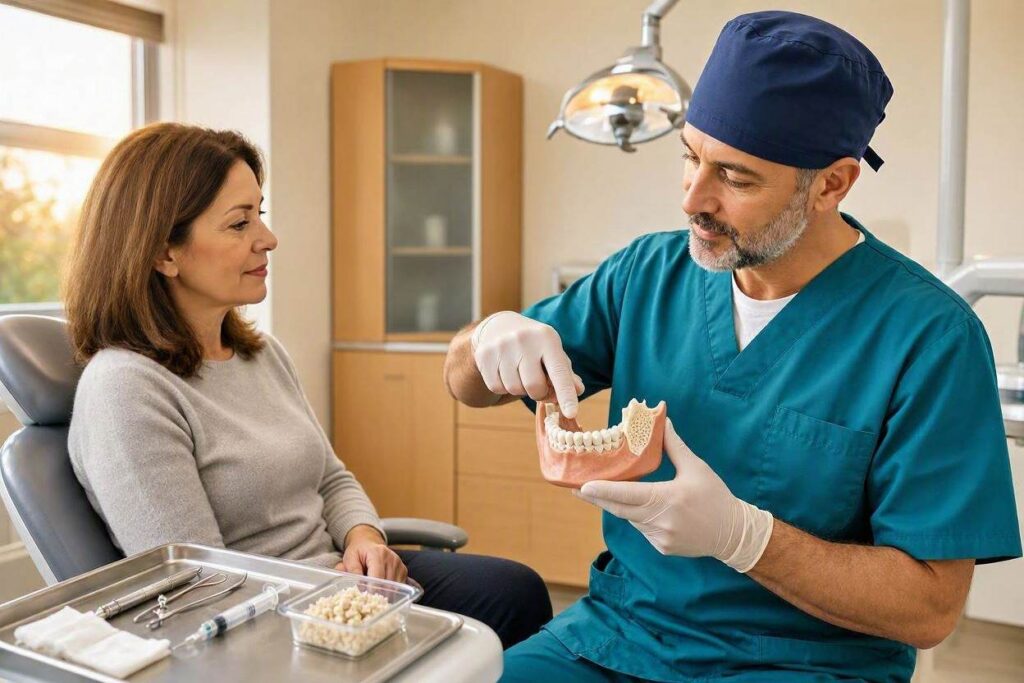
A bone graft is a surgical procedure that adds bone material to areas where bone has been lost or is deficient. The graft material serves as a scaffold, encouraging your body to grow new bone cells and restore density and volume.
Types of Bone Graft Materials
Several types of graft materials are used in dentistry:
Autografts:
Bone harvested from your own body, typically from the chin, jaw, hip, or tibia. This is considered the gold standard because it contains living cells that promote healing.
Allografts:
Bone harvested from a human donor, typically from a tissue bank. The bone is processed to remove cells while preserving the mineral structure.
Xenografts:
Bone derived from animals, usually bovine (cow) sources. The material is processed to create a safe, biocompatible scaffold.
Alloplasts:
Synthetic bone graft materials made from materials like calcium phosphate or bioactive glass. These are entirely laboratory-created.
How Bone Grafting Works
The bone graft procedure involves several steps:
- Incision: The surgeon makes an incision in the gum to access the bone.
- Preparation: The area is cleaned and prepared for the graft.
- Placement: The graft material is placed into the bone defect.
- Coverage: A membrane may be placed over the graft to protect it.
- Closure: The gum is stitched closed.
- Healing: Over several months, your body integrates the graft and grows new bone.
Why Someone Might Need an Implant-Free Bone Graft
Several situations call for bone grafting without subsequent implant placement.
1. Preservation After Tooth Extraction
When a tooth is extracted, the surrounding bone begins to deteriorate. This process, called resorption, accelerates in the first year after extraction.
Why Graft Without Implant:
- You may not be ready for an implant yet
- You may be undecided about tooth replacement options
- Financial constraints may delay implant placement
- You want to preserve bone for future options
The Benefit:
Grafting at the time of extraction preserves bone volume, keeping your options open for future implant placement or other restorations.
2. Treatment of Bone Defects
Some patients have bone defects unrelated to tooth loss.
Causes of Bone Defects:
- Congenital conditions
- Trauma or injury
- Cysts or tumors
- Infection
- Periodontal disease
Why Graft Without Implant:
The goal is to restore bone health and structure, not necessarily to place an implant. The graft improves the foundation for whatever treatment follows.
3. Preparation for Dentures
Bone grafting can improve the fit and comfort of dentures.
Why Graft Without Implant:
- The graft builds up the ridge where the denture sits
- A fuller ridge provides better denture stability
- You may choose traditional dentures instead of implant-supported ones
4. Facial Structure Preservation
Bone loss in the jaw affects facial appearance, causing a sunken or aged look.
Why Graft Without Implant:
- The graft restores facial contours
- It prevents further bone deterioration
- Aesthetic improvement is the primary goal
5. Cleft Palate or Congenital Defects
Patients born with cleft palate or other craniofacial anomalies may require bone grafting as part of reconstructive treatment.
Why Graft Without Implant:
- The graft restores normal anatomy
- It supports facial development
- Implants may or may not be part of the long-term plan
6. Periodontal Disease Treatment
Advanced gum disease destroys the bone supporting teeth. Bone grafting can help regenerate this lost bone.
Why Graft Without Implant:
- The goal is to save natural teeth
- The graft provides support for existing teeth
- Implants are not needed if natural teeth are preserved
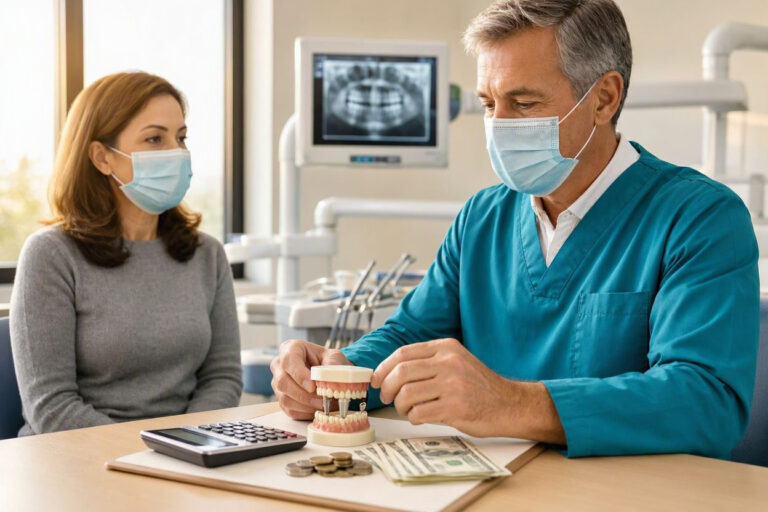
The Cost of Bone Grafting Without Implants
Bone grafting costs vary based on the type of graft, the size of the defect, and geographic location.
Average Costs
| Graft Type | Average Cost per Site |
|---|---|
| Socket Preservation (Extraction Site) | $300 – $800 |
| Ridge Augmentation | $500 – $1,500 |
| Sinus Lift | $1,000 – $2,500 |
| Major Bone Reconstruction | $2,000 – $5,000+ |
Additional Costs
- Consultation: $50 – $200
- X-Rays or CT Scan: $100 – $500
- Anesthesia: $100 – $500
- Membrane: $200 – $500
- Medications: $30 – $100
Total Cost Scenarios
Scenario 1: Socket Preservation After Extraction
You have a tooth extracted and choose socket preservation grafting.
- Extraction: $150 – $300
- Bone Graft: $400
- Membrane: $250
- Total: $800 – $950
Scenario 2: Ridge Augmentation for Denture Fit
You need ridge augmentation to improve denture stability.
- Consultation: $100
- CT Scan: $300
- Bone Graft: $1,000
- Anesthesia: $200
- Total: $1,600
Scenario 3: Major Bone Reconstruction
You require extensive bone grafting due to trauma or severe bone loss.
- Consultation: $150
- CT Scan: $400
- Bone Graft: $3,000
- Anesthesia: $500
- Hospital Fees: $1,000
- Total: $5,050
Insurance Coverage for Bone Grafting
Insurance coverage for bone grafting varies depending on the reason for the procedure.
Dental Insurance
Dental insurance may cover bone grafting when it is deemed medically necessary.
Covered Situations:
- Grafting performed during extraction
- Grafting to treat periodontal disease
- Grafting required for oral health
Typical Coverage:
- 50% of the cost under Major Services
- Subject to annual maximums
- Waiting periods may apply
Medical Insurance
Medical insurance may cover bone grafting in certain situations.
Covered Situations:
- Grafting after trauma or accident
- Grafting for congenital defects
- Grafting as part of reconstructive surgery
- Grafting related to cancer treatment
Typical Coverage:
- Subject to deductible and coinsurance
- Higher or no annual maximums
- Pre-authorization often required
Medicare and Medicaid
- Medicare: Does not cover routine dental procedures, including bone grafting for dental purposes. May cover grafting related to medical conditions.
- Medicaid: Coverage varies by state. Some states cover bone grafting when medically necessary.
The Procedure: What to Expect
Understanding the bone grafting procedure helps you prepare.
Before the Procedure
- Consultation and examination
- X-rays or CT scan
- Medical history review
- Discussion of anesthesia options
- Pre-operative instructions
During the Procedure
- Local anesthesia or sedation is administered
- The surgeon makes an incision in the gum
- The graft material is placed
- A membrane may cover the graft
- The incision is closed with stitches
After the Procedure
- Pain and swelling are common for several days
- Pain medication may be prescribed
- Soft food diet recommended
- Avoid strenuous activity
- Follow-up appointments scheduled
Recovery Timeline
- Days 1-3: Peak swelling and discomfort
- Days 4-7: Gradual improvement
- Weeks 2-4: Gum tissue heals
- Months 3-6: Bone graft integrates and matures
Risks and Complications
Bone grafting is generally safe, but complications can occur.
Potential Risks
- Infection at the graft site
- Graft failure or rejection
- Bleeding
- Swelling and bruising
- Nerve damage (rare)
- Sinus complications (for upper jaw grafts)
How to Minimize Risks
- Choose an experienced surgeon
- Follow pre-operative instructions
- Take prescribed medications as directed
- Maintain good oral hygiene
- Attend follow-up appointments
- Avoid smoking and tobacco use
Alternatives to Bone Grafting
In some cases, alternatives to bone grafting exist.
Short Implants
Short implants require less bone and may eliminate the need for grafting.
Zygomatic Implants
These specialized implants anchor into the cheekbone rather than the jawbone, avoiding the need for grafting in the upper jaw.
Removable Prosthetics
Traditional dentures or partial dentures do not require bone grafting.
No Treatment
In some cases, no treatment is necessary if the bone loss does not affect function or aesthetics.
The Importance of Preserving Bone
Bone grafting without implants serves an important purpose: preserving bone for future needs.
The Domino Effect of Bone Loss
When a tooth is lost and bone deteriorates:
- Adjacent teeth lose support
- More teeth may become loose
- The bite changes
- Facial appearance changes
- Future tooth replacement becomes more difficult
The Value of Early Intervention
Grafting at the time of extraction is cheaper and more effective than waiting until significant bone loss has occurred.
Cost Comparison:
- Socket preservation at extraction: $300 – $800
- Major bone grafting later: $2,000 – $5,000+
Conclusion
You can absolutely receive a bone graft without planning for a dental implant. Bone grafting serves multiple purposes, including preserving bone after extraction, treating defects, improving denture fit, and maintaining facial structure. Costs range from $300 for socket preservation to over $5,000 for major reconstruction. Insurance coverage varies based on the reason for the procedure. Bone grafting is a valuable investment in your long-term oral health, keeping your options open for future treatment.
Frequently Asked Questions (FAQ)
Q: Can I get a bone graft without getting an implant?
A: Yes, bone grafting is performed for many reasons unrelated to implants, including preserving bone after extraction and treating bone defects.
Q: How much does bone grafting cost without implants?
A: Costs range from $300 to $800 for socket preservation to $2,000 to $5,000 or more for major reconstruction.
Q: Does insurance cover bone grafting without implants?
A: Coverage depends on the reason for the procedure. Dental insurance may cover medically necessary grafting, and medical insurance may cover grafting related to trauma or congenital conditions.
Q: How long does a bone graft take to heal?
A: Initial healing takes 2 to 4 weeks. Complete integration of the graft takes 3 to 6 months.
Q: Is bone grafting painful?
A: The procedure is performed under anesthesia, so you should not feel pain during surgery. Post-operative discomfort is manageable with medication.
Q: What happens if I do not get a bone graft after extraction?
A: The bone will begin to resorb, losing volume and density. This can make future tooth replacement more difficult and expensive.
Additional Resource
For more information on bone grafting and oral surgery, visit the American Association of Oral and Maxillofacial Surgeons (AAOMS) at www.aaoms.org. They provide patient education resources