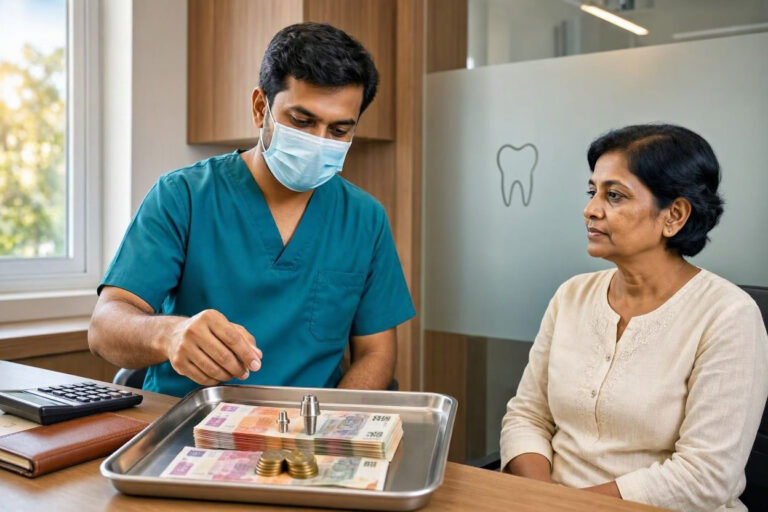
Dental Care Packages for Implants
Dental implants change lives. They restore your ability to eat comfortably, smile confidently, and speak clearly. But getting implants is only half the story. What happens after the surgery matters just as much. Without proper ongoing care, even the most expertly placed implant can fail. This reality makes dental care packages for implants one of the most important investments you can make in your long-term oral health.
You probably have questions. What should a good package include? How much should you pay? Can you trust what clinics promise? This guide answers all of those questions and more. By the time you finish reading, you will know exactly how to find, evaluate, and select the right care package for your implants. Let us start with the most fundamental question.
Understanding the True Value of Implant-Specific Care Plans
A dental implant represents a significant financial commitment. A single implant often costs between $3,000 and $6,000. Full-mouth restoration can reach $50,000 or more. Protecting that investment requires a structured approach to maintenance. This is where dedicated care packages enter the picture.
What Exactly Is a Dental Care Package for Implants?
A dental care package for implants is a bundled collection of services designed specifically for patients with dental implants. These packages differ substantially from standard dental maintenance plans. They focus on the unique needs of implant hardware, surrounding gum tissue, and the bone structure supporting the implant.
Standard dental cleanings often do not address implants properly. In fact, using metal instruments on an implant can scratch the surface, creating tiny grooves where bacteria thrive. Implant care packages account for this. They include specialized tools, techniques, and examination protocols tailored to implant longevity.
Most packages operate on an annual subscription or membership model. You pay a set fee, and in return, you receive a defined set of preventive and maintenance services. Some packages also offer discounts on additional treatments you might need.
Why Standard Dental Insurance Falls Short
Many people assume their dental insurance covers implant maintenance adequately. This assumption often proves wrong. Traditional dental insurance typically classifies implants as cosmetic procedures. Even when plans cover the initial placement, they frequently limit coverage for ongoing maintenance.
You might face annual maximums that barely cover one emergency visit. Deductibles reset each year. Co-payments add up quickly. Most critically, standard insurance rarely covers the specialized hygiene visits implants require. This gap leaves patients paying out-of-pocket for the very services that protect their investment.
Dental care packages for implants fill this gap. They provide predictable costs and appropriate care without the limitations of traditional insurance.
The Cost of Neglecting Implant Maintenance
Skipping professional maintenance on implants does not save money. It costs money. Peri-implantitis, the inflammatory condition affecting tissue around implants, affects up to 20% of implant patients. Treatment for advanced peri-implantitis ranges from $1,000 to $5,000 per implant. In severe cases, the implant fails entirely and requires removal and replacement.
“A single neglected implant can cost more to repair or replace than a decade of proper maintenance,” explains Dr. Sarah Chen, a board-certified periodontist who has placed over 5,000 implants. “I have seen patients lose $10,000 worth of dental work because they wanted to save $300 a year on maintenance. It is heartbreaking and completely preventable.”
Regular maintenance through a care package typically costs between $300 and $800 annually. Compare that to the cost of treating advanced complications, and the value becomes obvious.
Core Components of a Quality Implant Care Package
Not all packages offer the same services. You need to know what to look for. The best packages include several essential elements. Let us examine each one in detail.
Comprehensive Periodontal Evaluation
Implants rely on healthy gums and bone. A thorough periodontal evaluation forms the foundation of any worthwhile care package. During this exam, the dentist or periodontist measures pocket depths around each implant. Healthy readings typically fall between 1 and 3 millimeters. Depths of 4 millimeters or more signal potential inflammation.
The evaluation also assesses bleeding upon probing. Bleeding indicates active inflammation. The clinician checks for redness, swelling, and any signs of infection. These exams should occur at least once annually, though many specialists recommend twice-yearly assessments for patients with a history of gum disease.
Professional Implant-Specific Cleaning
Cleaning implants requires different tools and techniques than cleaning natural teeth. Titanium implant surfaces scratch easily. Scratched surfaces harbor bacteria and make future cleanings more difficult. Quality care packages always include professional cleaning with implant-safe instruments.
Technicians use plastic or titanium scalers designed specifically for implants. Ultrasonic devices with specialized tips remove debris without damaging surfaces. Some practices use air polishing systems with glycine powder instead of sodium bicarbonate, which can etch titanium.
The cleaning should address all implant surfaces, including hard-to-reach areas beneath prosthetic components. For patients with implant-supported dentures, the package should include removal and thorough cleaning of the prosthesis itself.
Diagnostic Imaging and Bone Level Assessment
Bone loss around implants occurs gradually and often without symptoms. Regular imaging catches this process early. Most quality packages include annual or biennial radiographic assessment.
Periapical X-rays show the bone level along the sides of the implant. Panoramic X-rays provide a broader view of all implants and surrounding structures. Some advanced practices now use cone-beam computed tomography for detailed three-dimensional assessment, though this technology typically appears only in premium packages.
The dentist compares new images to baseline images taken when the implant was placed. Any changes in bone height or density trigger further investigation. Early detection of bone loss allows for intervention before significant damage occurs.
Occlusal Analysis and Bite Adjustment
Excessive force damages implants. Unlike natural teeth, which have a periodontal ligament that cushions forces, implants connect directly to bone. They lack the shock absorption capability of natural teeth. This makes proper bite alignment critical.
Care packages should include occlusal analysis. The dentist checks how the implant crown contacts opposing teeth. Even slight discrepancies create damaging lateral forces. The dentist may use articulating paper to mark contact points and make micro-adjustments to the prosthesis.
For patients who clench or grind their teeth, the package might include fabrication or adjustment of an occlusal guard. These appliances protect implants from excessive nocturnal forces. Some packages include one custom night guard per membership year.
Peri-Implant Soft Tissue Management
The gum tissue around implants differs from tissue around natural teeth. It contains fewer blood vessels and fibroblasts. This reduced blood supply means the tissue heals slower and defends against infection less effectively. Special attention to this tissue proves essential.
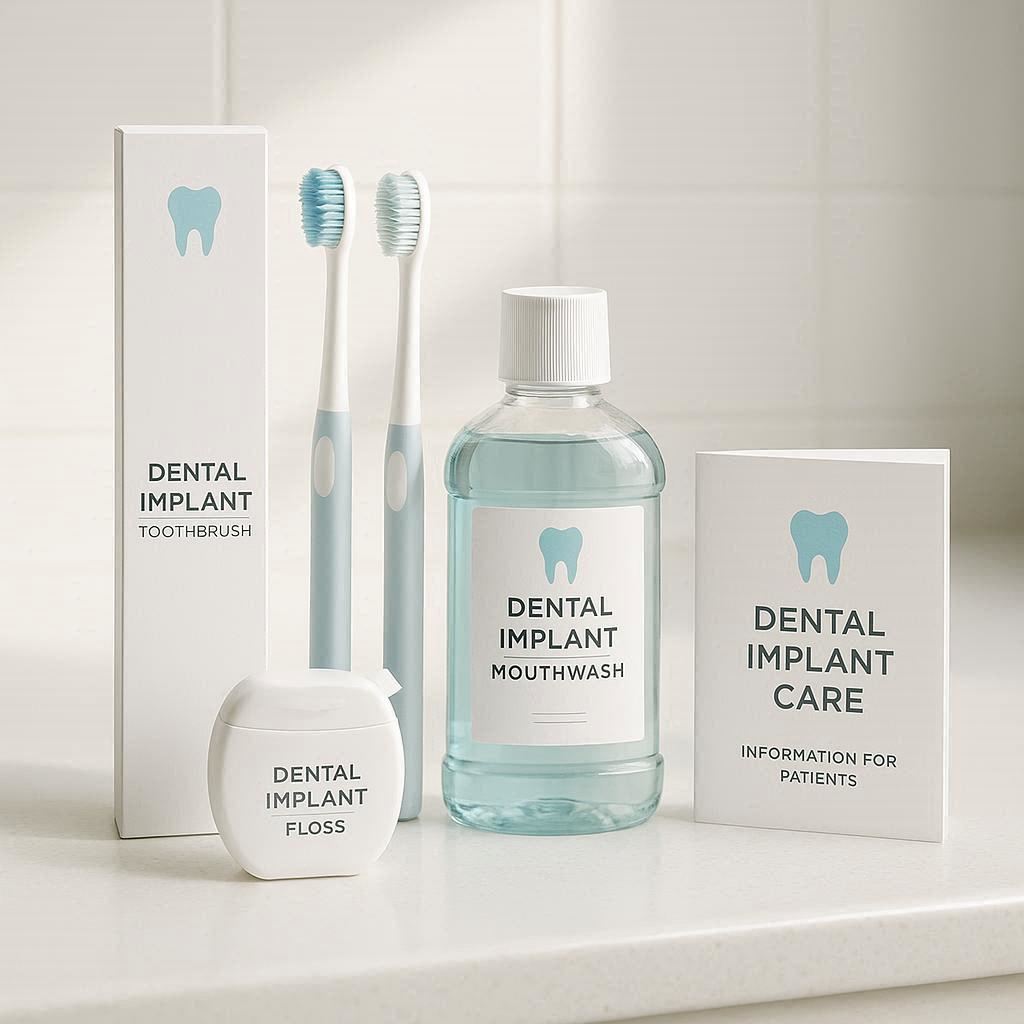
Quality packages include specific protocols for managing peri-implant soft tissue. This might involve localized antimicrobial therapy, prescription mouth rinses, or specialized home care instruction. The clinician demonstrates proper technique for cleaning around implants, including the use of interdental brushes, water flossers, and implant-specific floss.
Some packages include adjunctive treatments like laser therapy to promote tissue health. Low-level laser therapy shows promise in reducing inflammation and promoting healing around implants.
Comparing Care Package Models: In-House Plans, Third-Party Memberships, and Insurance Supplements
The market offers several models for implant care packages. Each has distinct advantages and limitations. Understanding these differences helps you choose wisely.
Direct In-Office Membership Plans
Many implant-focused practices now offer their own in-house membership plans. These direct-practice plans eliminate the insurance middleman. The patient pays the practice directly, usually on a monthly or annual basis.
Advantages:
- Services tailored specifically to the practice’s implant patients
- No claim denials or pre-authorization requirements
- Often includes discounts on additional treatments
- Builds a direct relationship between patient and provider
- No annual maximums or deductibles
Limitations:
- Valid only at the issuing practice
- Benefits do not transfer if the patient moves
- Quality depends entirely on the individual practice’s standards
- May not cover emergency treatment at other locations
In-house plans typically cost between $350 and $750 annually for implant maintenance. The fee varies based on geographic location, the number of implants, and the comprehensiveness of the package.
Third-Party Dental Discount Plans
Several companies sell discount dental plans that include implant maintenance benefits. These plans operate differently than insurance. Instead of paying claims, the plan negotiates reduced fees with participating providers. The patient pays the provider directly at the discounted rate.
Advantages:
- Typically lower monthly cost than insurance
- No waiting periods for pre-existing conditions
- No annual maximums
- Wide network of participating providers
- Often includes discounts on other dental services
Limitations:
- The patient still pays out-of-pocket at each visit
- Discounts may not apply to all necessary services
- Provider participation can change without notice
- Quality of participating providers varies significantly
- May not include all implant-specific services
Notable third-party plans include DentalPlans.com, Aetna Dental Access, and Cigna Dental Savings. Monthly fees range from $8 to $20, with reported savings of 20% to 50% on covered services.
Supplemental Implant Insurance Policies
A growing number of specialized insurers offer policies specifically for dental implant maintenance. These function as supplements to standard dental insurance. They cover gaps that standard policies leave open.
Advantages:
- Designed specifically for implant patients
- Often covers peri-implantitis treatment
- Predictable co-payments for covered services
- Some policies cover implant replacement if failure occurs
- Portable across providers
Limitations:
- Monthly premiums can be substantial
- May have waiting periods for certain services
- Pre-existing conditions may limit coverage
- Deductibles and annual maximums apply
- Few companies currently offer these specialized policies
This market segment remains relatively new. Companies like Dentegra and Spirit Dental offer implant-friendly plans, though thorough policy review remains essential.
Comparison Table: Implant Care Package Models
| Feature | In-House Membership | Third-Party Discount Plan | Supplemental Insurance |
|---|---|---|---|
| Average Annual Cost | $350-$750 | $96-$240 | $300-$600 |
| Covers Implant-Specific Cleaning | Usually yes | Varies by provider | Often yes |
| Perio Evaluation Included | Yes | May be discounted | Yes, with copay |
| Discount on Additional Treatment | Yes, 10-20% | Yes, 20-50% | No, copay applies |
| Annual Maximum | None | None | Usually $1,000-$1,500 |
| Waiting Periods | None | None | May apply |
| Portability | No | Yes | Yes |
| Claim Filing Required | No | No | Sometimes |
This comparison highlights the trade-offs inherent in each model. In-house plans offer the most tailored care but lack portability. Third-party discount plans cost the least but provide less comprehensive coverage. Supplemental insurance offers portability and catastrophic protection but comes with the bureaucratic hurdles of traditional insurance.
What the Best Dental Care Packages for Implants Actually Include
Having examined the landscape of available options, let us detail the specific services you should demand from any package worth your money.
Tier 1: Essential Services (Every Package Should Include)
The baseline package must cover fundamental preventive care. Without these services, the package does not fulfill its basic purpose.
Two annual implant-specific hygiene visits. Each visit should include professional cleaning with implant-safe instruments, pocket depth measurement, and tissue assessment. The visits should occur at approximately six-month intervals.
One annual comprehensive examination. This exam goes beyond a quick look. The dentist evaluates each implant for stability, checks the integrity of the restoration, assesses the bite, and reviews any changes in your health that might affect implant longevity.
Annual radiographic assessment. At minimum, this means periapical X-rays of each implant. Some practices might include a panoramic X-ray every two to three years instead.
Unlimited emergency exams. If something feels wrong with an implant, you should be able to have it checked promptly without an additional exam fee. This provision alone can save hundreds of dollars and prevent minor issues from becoming major problems.
Tier 2: Enhanced Services (What Quality Packages Add)
Better packages build on the essential foundation with services that address long-term implant health more comprehensively.
Custom occlusal guard fabrication or adjustment. For patients who clench or grind, a well-fitted night guard prevents damage. Premium packages often include one guard per year or adjustments to existing guards.
Peri-implant probiotic therapy. Emerging research supports the use of specific probiotic strains to maintain a healthy oral microbiome around implants. Some advanced practices include probiotic assessment and supplementation in their packages.
Salivary diagnostic testing. Saliva analysis reveals factors that might predispose a patient to implant complications. Tests can identify elevated inflammatory markers, bacterial pathogens, and pH imbalances. This information allows for targeted preventive measures.
Dietary counseling for bone health. Implant stability depends on adequate bone density. Some comprehensive packages include nutritional consultation focused on calcium, vitamin D, and other nutrients essential for bone maintenance.
Tier 3: Premium Services (What Top-Tier Packages Offer)
The most comprehensive packages include services that go well beyond routine maintenance.
Cone-beam CT imaging. Three-dimensional imaging provides the most detailed view of implant bone support. Premium packages might include one CBCT scan every two to three years for patients with multiple implants or risk factors for bone loss.
Laser bacterial reduction therapy. Diode lasers can reduce bacterial load in periodontal pockets around implants. Some practices include this therapy as part of regular maintenance visits for premium package holders.
Implant warranty and failure coverage. A few exceptional packages include provisions for implant replacement if failure occurs despite compliant maintenance. This represents the ultimate expression of the provider’s confidence in their care protocol.
Concierge appointment scheduling. Premium package holders often receive priority scheduling, extended appointment times, and direct access to the implant specialist.
Important Note: “When evaluating a care package, always request a written list of included services. Verbal promises mean nothing. A reputable practice will provide a detailed contract specifying exactly what you receive for your fee. If a provider hesitates to put their offer in writing, look elsewhere.” — Dental Consumer Advocate Michael Torres
Geographic Considerations: How Location Affects Package Options and Pricing
Dental care costs vary dramatically by location. The same services that cost $400 in Omaha might cost $900 in Manhattan. Understanding geographic pricing helps you evaluate whether a package represents good value.
Urban vs. Rural Pricing Dynamics
Urban practices generally charge more for implant care packages. Higher commercial rents, elevated staff salaries, and greater demand all contribute to pricing differentials. However, urban practices also often have access to more advanced technology and specialists.
A comprehensive implant maintenance package in a major metropolitan area typically costs between $600 and $1,200 annually. The same level of care in a rural setting might cost $300 to $600. This differential can make travel for dental care economically viable for some patients.
Regional Price Variations Across the United States
| Region | Average Annual Package Cost | Typical Inclusions | Notable Considerations |
|---|---|---|---|
| Northeast (NY, MA, CT) | $700-$1,200 | 2 cleanings, 1 exam, X-rays | Highest prices; most specialists available |
| Southeast (FL, GA, NC) | $400-$700 | 2 cleanings, 1 exam, X-rays | Large retiree population; many implant-focused practices |
| Midwest (OH, IN, IL) | $350-$600 | 2 cleanings, 1 exam, X-rays | Moderate prices; good specialist access in cities |
| Southwest (TX, AZ, NV) | $400-$750 | 2 cleanings, 1 exam, X-rays | Growing implant tourism; competitive pricing |
| West Coast (CA, OR, WA) | $600-$1,100 | 2 cleanings, 1 exam, X-rays | High prices; excellent specialist availability |
These figures represent averages based on market research. Individual practice pricing will vary.
Dental Tourism and International Package Options
Some patients consider international options for implant care packages. Countries like Mexico, Costa Rica, and Thailand offer substantially lower prices for dental services. Maintenance packages in these countries might cost 50% to 70% less than comparable U.S. packages.
However, international care packages present significant logistical challenges. Regular maintenance requires travel. Emergency visits become complicated. Communication barriers can lead to misunderstandings. Additionally, the quality of materials and infection control standards can vary widely.
For most patients, the practical difficulties of international maintenance packages outweigh the cost savings. The exception might be patients who live near the border and can easily access Mexican dental clinics in cities like Los Algodones or Tijuana.
Red Flags: What to Watch Out for When Evaluating Packages
The market contains excellent options and some that fall short. Knowing the warning signs protects you from wasting money on inadequate coverage.
Unusually Low Pricing
Packages priced significantly below the local average should raise suspicion. Quality implant maintenance requires time, specialized instruments, and skilled personnel. A practice cannot offer these for $99 per year and remain financially viable.
Low-priced packages often cut corners. They might use standard metal instruments for implant cleaning. They might skip X-rays or perform them less frequently than appropriate. They might rush appointments and miss early warning signs of problems.
Ask for a detailed breakdown of what the package includes. If the price seems too good to be true, it probably is.
Absence of Implant-Specific Protocols
Some practices offer “implant maintenance packages” that are actually repackaged standard hygiene plans. These packages lack the specialized protocols implants require.
Ask specific questions. What instruments do they use for implant cleaning? Do they use plastic or titanium scalers? How do they assess implant health? Do they take X-rays specifically to evaluate bone levels? Vague or evasive answers indicate a package that will not serve your needs.
High-Pressure Sales Tactics
Reputable practices educate patients and let them decide. Practices that employ high-pressure tactics often prioritize revenue over patient care.
Be wary of practices that push package enrollment immediately after implant placement. Be suspicious of “limited time offers” that pressure you to sign up without due diligence. A quality provider welcomes your questions and gives you time to consider your options.
Exclusions Buried in Fine Print
Carefully review the terms and conditions. Some packages exclude the very services you might need most. Common exclusions include treatment for peri-implantitis, replacement of worn prosthetic components, and treatment of implant fractures.
If the package excludes treatment for complications, what exactly does it cover? A package that only covers routine maintenance but excludes problem treatment leaves you exposed to the most significant financial risks.
Important Warning: “I’ve seen packages that exclude ‘any condition requiring active treatment.’ This means the moment something actually goes wrong with your implant, the package stops covering you. That’s when you need coverage most. Read every exclusion carefully.” — Dr. James Whitfield, DDS, MS, Periodontics
How to Evaluate Your Current Provider’s Package
You might already have a relationship with a dentist who placed or restored your implants. They likely offer a care package. How do you evaluate whether it meets your needs?
The 10-Point Assessment Checklist
Score your provider’s package on each of these criteria. Award one point for each affirmative answer.
- Does the package include at least two implant-specific hygiene visits annually?
- Does each visit include periodontal probing and charting around implants?
- Are X-rays taken at appropriate intervals to monitor bone levels?
- Does the practice use implant-safe instruments exclusively?
- Is the dentist or periodontist directly involved in implant evaluation at each visit?
- Does the package offer emergency exam coverage without additional fees?
- Are the terms and inclusions clearly stated in writing?
- Does the package offer discounts on additional treatment beyond routine care?
- Is the annual fee competitive with local alternatives?
- Does the practice have specific training or credentials in implant dentistry?
Score Interpretation:
- 9-10 points: Excellent package. You are in good hands.
- 7-8 points: Solid package. Consider negotiating for missing elements.
- 5-6 points: Adequate but has significant gaps. Worth comparing alternatives.
- Below 5 points: Insufficient protection for your implant investment. Seek other options.
Questions to Ask Your Provider
Armed with your assessment, schedule a conversation with your provider. Ask these specific questions:
“What specific training do your hygienists receive for implant maintenance?” Quality practices invest in continuing education for their staff. They should cite specific courses or certifications.
“How do you handle periodontal charting around implants?” They should describe detailed measurement and documentation protocols. If they seem vague about this, their monitoring may be inadequate.
“What happens if I develop a problem with an implant between scheduled visits?” The answer should include prompt evaluation without additional exam charges, at minimum.
“How do you determine when an implant needs more intensive treatment?” Look for an answer that describes specific clinical criteria, not just “when we see a problem.”
“Can I see a sample of the implant maintenance documentation you provide?” Quality practices document thoroughly and share this information with patients.
Building Your Own Care Plan: When Standard Packages Do Not Fit
Some patients need more than standard packages offer. Perhaps you have risk factors that require more frequent monitoring. Maybe you have a combination of implants and natural teeth requiring different care protocols. In such cases, building a customized plan with your provider might serve better than an off-the-shelf package.
Identifying Your Individual Risk Factors
Several factors increase the likelihood of implant complications. Patients with these risk factors should consider enhanced maintenance schedules:
History of periodontitis. The bacteria that caused your original gum disease remain in your mouth. Without vigilant maintenance, they can attack the tissue around your implants.
Diabetes mellitus. Poorly controlled blood sugar impairs healing and immune response. Diabetic patients face roughly double the risk of peri-implantitis compared to non-diabetic patients.
Smoking. Tobacco use constricts blood vessels and impairs the immune system. Smokers experience implant failure rates two to three times higher than non-smokers.
Parafunctional habits. Clenching and grinding place excessive force on implants. This can lead to mechanical complications and bone loss.
Multiple implants. Each additional implant creates another potential site for complications. Patients with full-arch restorations need particularly thorough maintenance protocols.
Designing a Personalized Maintenance Schedule
Work with your provider to create a schedule that addresses your specific risk profile. This might include:
More frequent hygiene visits. Instead of two visits annually, you might benefit from three or four.
Adjunctive antimicrobial therapy. Prescription mouth rinses or locally applied antibiotics might reduce your risk.
More frequent radiographic assessment. Instead of annual X-rays, you might need them every six months.
Specialized home care tools. Your provider can recommend specific brushes, flossers, or irrigators for your unique implant configuration.
This customized approach often costs more than a standard package but less than treating complications.
The Role of Home Care in Your Implant Maintenance Strategy
Professional care forms the foundation of implant maintenance, but what you do at home matters enormously. Your daily habits directly affect implant longevity. A quality care package should include education and tools for effective home care.
Essential Home Care Tools for Implant Patients
Interdental brushes with plastic-coated wires. Metal wire cores can scratch implant surfaces. Brushes with plastic-coated wires clean safely around implants and between teeth.
Implant-specific floss. This floss has a stiff end for threading under bridges and a fuzzy middle section that cleans effectively without scratching.
Water flosser with implant tips. Water flossers deliver a stream of water that dislodges debris and bacteria. Specialized implant tips have a rubber end that protects the implant surface.
Sulcabrush or end-tuft brush. These small, angled brushes access difficult-to-reach areas around implant-supported restorations.
Non-abrasive toothpaste. Abrasive toothpaste can scratch implant restorations and create surface roughness that attracts bacteria.
Daily Home Care Routine for Implant Longevity
Morning care sets the tone for the day. Evening care removes the day’s accumulation before sleep reduces salivary flow. Here is an evidence-based routine:
Morning:
- Rinse with water to remove overnight bacterial accumulation.
- Brush all teeth and implant restorations with a soft-bristled brush and non-abrasive toothpaste. Spend at least two minutes.
- Use an interdental brush to clean between teeth and around implants. Angle the brush to reach under the gumline slightly.
- Rinse with an alcohol-free antimicrobial mouthwash if recommended by your provider.
Evening:
- Water floss thoroughly around all implants. Use the implant-specific tip. Spend extra time on areas where food tends to collect.
- Thread implant-specific floss under any bridges and clean the abutments carefully.
- Brush thoroughly, paying special attention to the gumline around implants.
- Apply any prescribed gels or rinses as directed by your provider.
Your dental care package should include instruction in these techniques. If it does not, request a demonstration at your next visit.
Understanding the Financial Equation: Investment, Returns, and Long-Term Planning
Dental care packages for implants represent a financial decision. Evaluating that decision requires understanding costs, risks, and potential returns.
Calculating the True Cost of Ownership
The total cost of owning an implant extends well beyond the initial placement fee. Let us model the lifetime costs for a single implant:
Initial costs:
- Implant placement surgery: $2,000-$3,000
- Abutment and crown: $1,500-$2,500
- Total initial investment: $3,500-$5,500
Annual maintenance with a care package:
- Package fee: $400-$700
- Additional supplies (special brushes, floss, rinse): $100-$200
- Total annual maintenance: $500-$900
Potential costs without proper maintenance:
- Peri-implantitis treatment: $1,000-$5,000 per episode
- Crown replacement due to wear: $1,200-$2,000
- Implant removal and replacement: $4,000-$8,000
Over a 20-year period, proper maintenance through a care package costs approximately $10,000 to $18,000. Avoiding this maintenance and experiencing one implant failure could easily cost $10,000 to $15,000 for treatment and replacement, plus the emotional toll and inconvenience.
The math favors investment in ongoing care.
Tax Considerations and Payment Strategies
Dental care packages may qualify for tax-advantaged payment. Contributions to Health Savings Accounts or Flexible Spending Accounts can fund package fees. This effectively reduces your cost by your marginal tax rate.
Some practices offer prepayment discounts. Paying annually instead of monthly might save 10% or more. Others offer multi-year commitments with locked-in pricing, protecting against fee increases.
Ask your provider about payment options. The best time to negotiate package terms is before you commit to implant treatment. Practices eager to establish long-term relationships may offer favorable terms to patients who ask.
The Connection Between Systemic Health and Implant Maintenance
Your overall health directly influences implant success. Likewise, implant health can affect systemic conditions. Quality care packages recognize these connections.
Medical Conditions That Affect Implant Longevity
Osteoporosis and medications. Bisphosphonate medications, commonly prescribed for osteoporosis, can affect bone healing and increase the risk of medication-related osteonecrosis of the jaw. Patients taking these medications need especially careful implant monitoring. Your care package should include communication protocols between your dentist and your prescribing physician.
Cardiovascular disease. Chronic inflammation from peri-implant disease may contribute to systemic inflammation, potentially affecting cardiovascular health. Maintaining healthy implants thus supports heart health.
Autoimmune conditions. Conditions like rheumatoid arthritis and lupus can affect healing and increase infection risk. Patients with autoimmune diseases may need enhanced maintenance protocols.
Radiation therapy history. Patients who have received radiation to the head or neck face elevated risks for implant complications. Specialized maintenance protocols become essential.
Communicating Across Your Healthcare Team
Your implant dentist should communicate with your other healthcare providers. Changes in your medical status might affect your implant maintenance needs. New medications might interact with dental treatments.
When selecting a care package, ask how the practice coordinates with medical providers. Do they request updates on your medical history at each visit? Do they communicate with specialists when relevant? Integrated care produces better outcomes.
Technological Innovations in Implant Maintenance
The field of implant maintenance evolves continuously. New technologies offer improved monitoring and treatment options. The best care packages incorporate proven innovations.
Digital Monitoring and Early Detection
Digital periodontal probing. Computerized probes provide more consistent measurements than manual instruments. They automatically record pocket depths and detect changes over time. Some systems can identify sites requiring attention before they become clinically evident.
Fluorescence-based detection. Certain bacteria associated with peri-implantitis produce porphyrins that fluoresce under specific wavelengths of light. Special devices can detect this fluorescence, identifying areas of bacterial activity before visible inflammation appears.
Radiographic subtraction analysis. This technique overlays new X-rays on baseline images and digitally subtracts identical structures. The result highlights even tiny changes in bone density that might escape the naked eye.
Advanced Treatment Modalities
Photodynamic therapy. This treatment applies a photosensitizing agent to implant surfaces and activates it with light. The reaction produces singlet oxygen that destroys bacteria without harming the implant or tissue. Some practices include this in premium care packages.
Localized antibiotic delivery. Miniature antibiotic-impregnated chips placed in periodontal pockets release medication slowly over days. This targeted approach minimizes systemic antibiotic exposure while treating localized infection.
Growth factor therapy. For early bone loss around implants, some specialists apply growth factors that stimulate natural bone regeneration. This approach shows promise for reversing early damage that would otherwise progress to implant failure.
Special Considerations for Different Types of Implant Restorations
Different implant configurations demand different maintenance approaches. Your care package should address the specific needs of your restoration type.
Single Crown Maintenance
Single implant crowns represent the simplest maintenance scenario. The crown stands alone, accessible from all sides for cleaning. Maintenance focuses on the junction between the crown and the gum tissue, where bacteria accumulate.
Care packages for single crowns should include careful examination of the crown margin, assessment of cement seal integrity for cemented restorations, and evaluation of the screw access for screw-retained crowns.
Implant-Supported Bridge Maintenance
Bridges connecting multiple implants create areas that trap food and bacteria. The space beneath the pontic requires special cleaning attention. Maintenance packages should include removal of any accumulated debris and instruction in proper flossing technique.
The dentist should also assess each implant supporting the bridge individually. A problem with one implant threatens the entire restoration.
Full-Arch Implant Restoration Maintenance
Patients with All-on-4, All-on-6, or similar full-arch restorations have the most complex maintenance needs. These prostheses typically require professional removal for thorough cleaning at least annually.
Quality packages for full-arch restorations should include:
- Prosthesis removal and cleaning
- Inspection of the prosthesis for wear or damage
- Individual assessment of each implant
- Replacement of any worn prosthetic components
- Professional cleaning of the intaglio surface (the tissue-facing side)
The annual prosthesis removal service alone often justifies the package cost. Replacing worn O-rings, clips, or screws prevents catastrophic failures.
Implant-Supported Overdenture Maintenance
Overdentures snap onto implant attachments. The attachments wear over time and require periodic replacement. A comprehensive package includes attachment assessment and replacement as needed.
The denture itself also requires maintenance. The fitting surface can harbor fungal infections. Professional cleaning prevents this. The dentist should check the fit and recommend relining when necessary.
The Emotional and Quality-of-Life Dimensions
Beyond the clinical and financial aspects, implant care packages affect your daily experience. Well-maintained implants function better and provide greater confidence.
Eating With Confidence
Implants should allow you to eat whatever you want without worry. Loose or uncomfortable implants restrict food choices and diminish enjoyment. Regular maintenance ensures your implants remain stable and functional.
Patients with well-maintained implants report higher satisfaction with their ability to chew a wide variety of foods. They participate more fully in social meals and experience less anxiety about eating in public.
Smile Without Hesitation
Implant restorations that receive regular care maintain their aesthetic appearance. Professional cleaning removes stains and keeps prosthetic teeth looking natural. Regular examination catches minor aesthetic issues before they become noticeable.
The confidence that comes from knowing your smile looks good cannot be overstated. It affects professional interactions, social situations, and romantic relationships. A care package that maintains aesthetics contributes to overall well-being.
Freedom From Dental Anxiety
Perhaps the most underappreciated benefit of implant care packages is peace of mind. Knowing that your implants receive appropriate professional attention reduces anxiety about potential problems.
Regular monitoring means issues get caught early. Early intervention typically involves simple, comfortable procedures. This stands in stark contrast to the anxiety-provoking experience of discovering a major problem that requires complex treatment.
Patients enrolled in quality care packages report lower dental anxiety scores than those without structured maintenance. The security of knowing an expert monitors their implants provides emotional comfort.
How to Switch Providers When Your Current Package Disappoints
Sometimes, despite your best efforts, your current implant care package does not meet your needs. Switching providers requires planning but remains entirely possible.
Gathering Your Implant Records
Before leaving your current provider, obtain complete records. This includes:
- Treatment notes from implant placement
- Radiographs from placement through most recent
- Documentation of implant manufacturer, model, and dimensions
- Records of all maintenance visits
- Any warranty information
These records help your new provider understand your implant history and continue care appropriately. Under HIPAA, you have the right to your dental records. The provider may charge a reasonable fee for copying.
Finding an Implant-Savvy New Provider
Not all dentists have equivalent training in implant maintenance. When seeking a new provider, look for specific credentials:
- Board certification in periodontics or prosthodontics
- Fellowship in the International Congress of Oral Implantologists
- Documented continuing education in implant maintenance
- Positive reviews from other implant patients
Interview potential new providers before transferring care. Ask about their approach to implant maintenance and their specific protocols. A provider who cannot articulate a clear maintenance philosophy may not serve your needs well.
Transitioning Your Care Smoothly
Schedule your first appointment with the new provider before your regular maintenance becomes due. Allow time for records transfer and review. The new provider needs to establish a baseline for future comparison.
Do not skip a maintenance cycle during the transition. The gap could allow problems to develop undetected. If timing requires it, maintain your current provider relationship until the new one is fully ready to assume care.
Looking Ahead: The Future of Implant Care Packages
The dental industry continues to evolve. Several trends suggest how implant care packages might change in coming years.
Telemedicine Integration
Remote monitoring technology already allows some implant assessments without an office visit. Patients submit photos of their implants. They might use smartphone attachments that capture intraoral images. Artificial intelligence algorithms screen these images for concerning changes.
Future care packages may include both in-person and virtual visits. This hybrid model could reduce costs while maintaining monitoring frequency.
Biomarker Testing
Researchers identify salivary biomarkers associated with peri-implantitis. Future packages may include regular salivary testing that detects inflammatory markers before clinical signs appear. This would allow truly preventive intervention.
Regenerative Coverage
As regenerative techniques improve, packages may begin covering growth factor treatments for early bone loss. What currently requires surgical intervention might eventually be treatable with in-office biologic applications.
Outcome-Based Pricing
Some innovators propose outcome-based pricing models. Under such arrangements, the package fee partly depends on maintaining specific health metrics. Providers benefit financially when patients remain healthy, aligning incentives toward prevention.
Making Your Decision: A Step-by-Step Action Plan
You have absorbed a significant amount of information. Now you need a practical plan for selecting a dental care package for your implants. Follow these steps.
Step 1: Catalog Your Implants
Document what you have. How many implants? What type of restoration? When were they placed? Who placed them? What manufacturer? This information helps potential providers assess your needs and propose appropriate packages.
Step 2: Identify Your Risk Factors
Review the risk factors discussed earlier. Do you have a history of gum disease? Do you smoke? Do you have diabetes? Do you clench or grind? Honest assessment of your risks helps determine the appropriate level of coverage.
Step 3: Research Local Options
Contact at least three implant-focused practices in your area. Request detailed information about their care packages. Compare not just prices but specific inclusions, exclusions, and protocols.
Step 4: Evaluate Provider Credentials and Philosophy
Look beyond the package details to the practice itself. Does the dentist have specific implant training? Does the practice philosophy emphasize prevention? Do existing patients report positive experiences?
Step 5: Request Written Proposals
Ask each candidate for a written proposal including all package details. This document should specify included services, excluded services, fees, payment terms, and cancellation policies.
Step 6: Negotiate Thoughtfully
Quality providers often have some flexibility. If you like a practice but their package lacks a feature you want, ask whether they can include it. Package pricing may be negotiable, especially if you commit to a multi-year relationship.
Step 7: Commit and Engage
Once you select a package, fully engage with the program. Attend all scheduled visits. Follow home care instructions. Communicate concerns promptly. Your active participation maximizes the package’s value.
Conclusion
Dental care packages for implants provide structured, predictable protection for one of your most significant health investments. The best packages include implant-specific cleanings, comprehensive evaluations, appropriate imaging, and emergency access. They cost far less than treating complications that develop without proper maintenance. By understanding the components of quality care, evaluating providers thoroughly, and committing to both professional and home maintenance, you position your implants for decades of trouble-free function. The right package transforms implant ownership from a source of anxiety into a source of confidence.
Frequently Asked Questions About Dental Care Packages for Implants
Are dental care packages for implants worth the cost if my implants feel fine?
Yes, absolutely. Implant problems typically develop silently. By the time you feel symptoms, significant damage may already exist. Care packages provide monitoring that catches issues before you notice them. The annual cost of a package represents a fraction of what treating advanced peri-implantitis or implant failure costs.
Can I use my existing dental insurance along with a care package?
In most cases, yes. Care packages operate independently of insurance. Some patients use insurance for services not covered by the package, though package holders rarely need much additional care. Check your package terms for any coordination of benefits provisions.
What happens if I miss a scheduled maintenance visit?
Missing one visit probably does not doom your implants, but consistent attendance matters. If you must miss, reschedule as soon as possible. Extended gaps in professional monitoring increase the risk of undetected problems. Some packages have attendance requirements for maintaining certain benefits.
Do care packages cover implant failure and replacement?
Most do not. Standard care packages cover preventive maintenance, not treatment of major complications. A few premium packages include limited replacement coverage if failure occurs despite compliant maintenance. Read terms carefully to understand what happens if an implant fails.
How do I know if my hygienist uses implant-safe instruments?
Ask directly. Watch during your cleaning. Implant-safe instruments are typically made of plastic, titanium, or specially coated metal. They look different from standard stainless steel instruments. If you see metal instruments that look like standard hygiene tools, speak up.
Can I purchase a care package for implants someone else placed?
Generally yes, though some practices only offer packages to their own implant patients. Practices that serve as ongoing maintenance providers for implants placed elsewhere exist in most areas. You may need to provide records from the original treatment.
What should I do if I experience pain or mobility in an implant?
Contact your provider immediately. Do not wait for your next scheduled maintenance. Quality care packages include emergency evaluation provisions. Prompt attention to implant symptoms often allows for simpler, less costly treatment.
Are care packages tax-deductible?
Dental expenses, including care package fees, may be deductible if you itemize deductions and your total medical and dental expenses exceed the applicable threshold. You can also typically use HSA or FSA funds for care package payments.
Additional Resource: For independent information about dental implant maintenance and to find board-certified specialists in your area, visit the American Academy of Periodontology’s patient resource center at perio.org. The site offers educational materials and a specialist locator tool.
Disclaimer: This article provides general educational information. It does not constitute medical or dental advice. Individual circumstances vary. Consult with a qualified dental professional regarding your specific implant care needs. Package availability, pricing, and inclusions vary by provider and location. Verify all details directly with any practice before enrolling in a care program.