Dental Office Decor: Turning a Clinic into a Comfortable Space
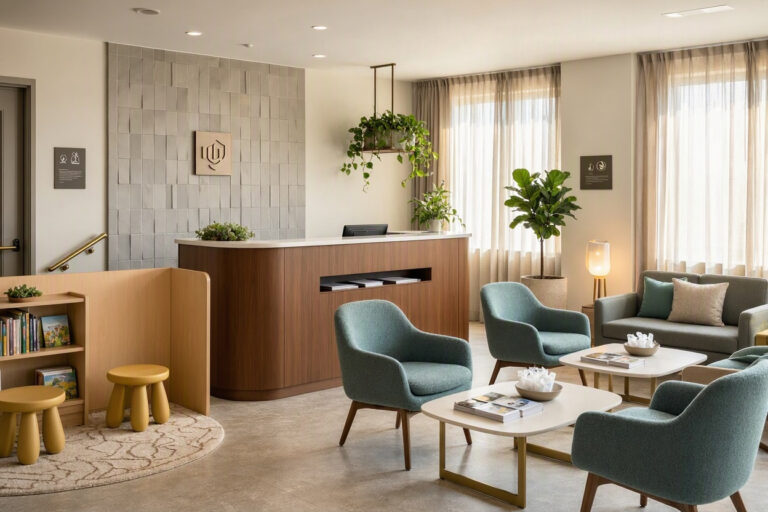
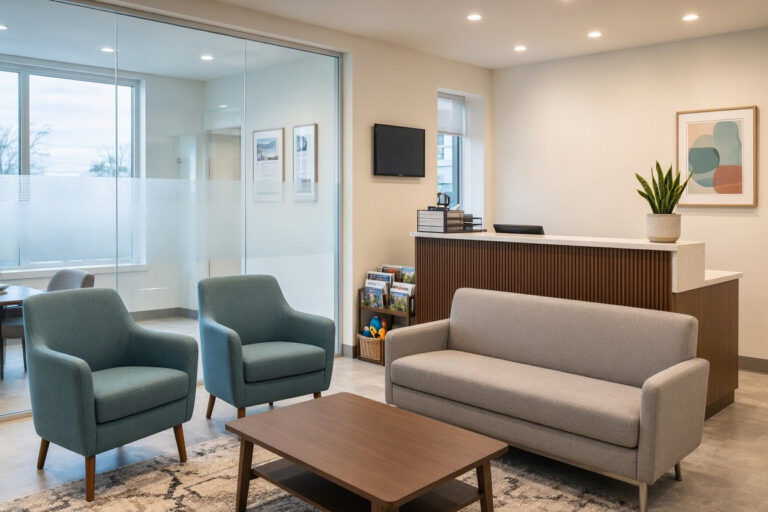
Good dental office decor does more than make a room look nice. It reduces patient anxiety, reinforces your professional brand, and makes your team feel proud of their workplace. Many people feel nervous about dental visits. The right decor can gently shift their mood from fear to reassurance. This article offers practical, realistic advice for decorating your dental office without breaking your budget.
Why Decor Matters More Than You Think
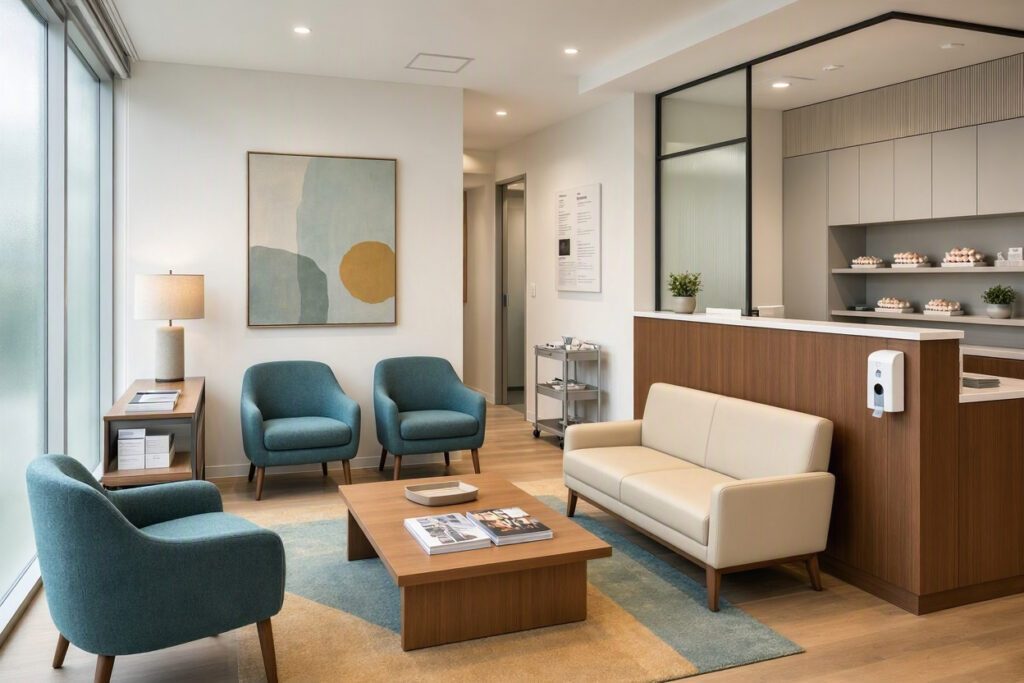
Patients often judge a practice within seconds of walking in. A cold, sterile room increases stress. A warm, thoughtful room signals competence and care. Decor is not superficial; it directly affects patient satisfaction and word-of-mouth referrals. It also impacts staff morale. A pleasant environment reduces burnout and makes long shifts easier to handle.
“Patients may forget what you said, but they never forget how you made them feel.” This quote applies perfectly to dental decor. Your space speaks before you do.
Start with a Calming Color Palette
Colors influence emotions. Avoid aggressive reds and harsh whites. Choose soft, muted tones that feel natural and soothing.
- Best choices: Sage green, soft blue, warm beige, light gray, and dusty lavender.
- Accent colors: Use warmer tones like terracotta or mustard sparingly for visual interest.
- Avoid: Bright yellow (can increase anxiety), stark white (feels clinical), and dark colors (make small spaces feel cramped).
Paint is one of the cheapest decor upgrades. Focus on the waiting room and treatment room walls first.
Artwork That Heals, Not Hurts
Art choices matter. Avoid images of teeth, needles, or anything medical. Instead, select art that transports patients to a calm place.
- Nature photography: Forests, beaches, mountains, and flowers.
- Abstract art: Soft shapes and gentle curves, not sharp angles.
- Local art: Support community artists and add a unique touch.
- Children’s art: A small rotating gallery of patients’ drawings can be charming and reassuring for young visitors.
Important note: Frame art with non-reflective glass. Glare can be uncomfortable for patients lying in a dental chair.
Texture and Softness
Hard surfaces dominate dental clinics for hygiene reasons. But you can add softness without compromising cleanliness.
| Decor Element | Soft Option | Why It Works |
|---|---|---|
| Rugs | Washable, low-pile rug in waiting area | Adds warmth and reduces echo |
| Throw pillows | Removable, washable covers | Softens seating; easy to sanitize |
| Curtains | Fabric blinds or sheer panels | Softens light; adds residential feel |
| Plants | Real or high-quality artificial | Brings life and improves air quality |
Note: Avoid fabric that cannot be easily cleaned. In clinical areas, stick to wipeable surfaces.
Lighting as Decor
Lighting is often overlooked as a decorative element. Harsh fluorescent lights cause glare and headaches. Use layered lighting instead.
- Ambient lighting: Soft ceiling fixtures with diffusers.
- Task lighting: Adjustable lamps at the reception desk.
- Accent lighting: Small lamps in waiting areas to create cozy corners.
- Natural light: Keep windows unobstructed. Use sheer blinds to control glare.
Seasonal and Thematic Touches
You can change small decor items seasonally to keep the space fresh. A few ideas:
- Spring: Fresh flowers or silk blossoms.
- Summer: Beach-themed small pillows or coastal art.
- Autumn: Warm-colored throw blankets (in non-clinical areas).
- Winter: Subtle holiday lights or a small decorative tree.
Keep seasonal decor minimal and avoid clutter. Too many items make a space feel messy.
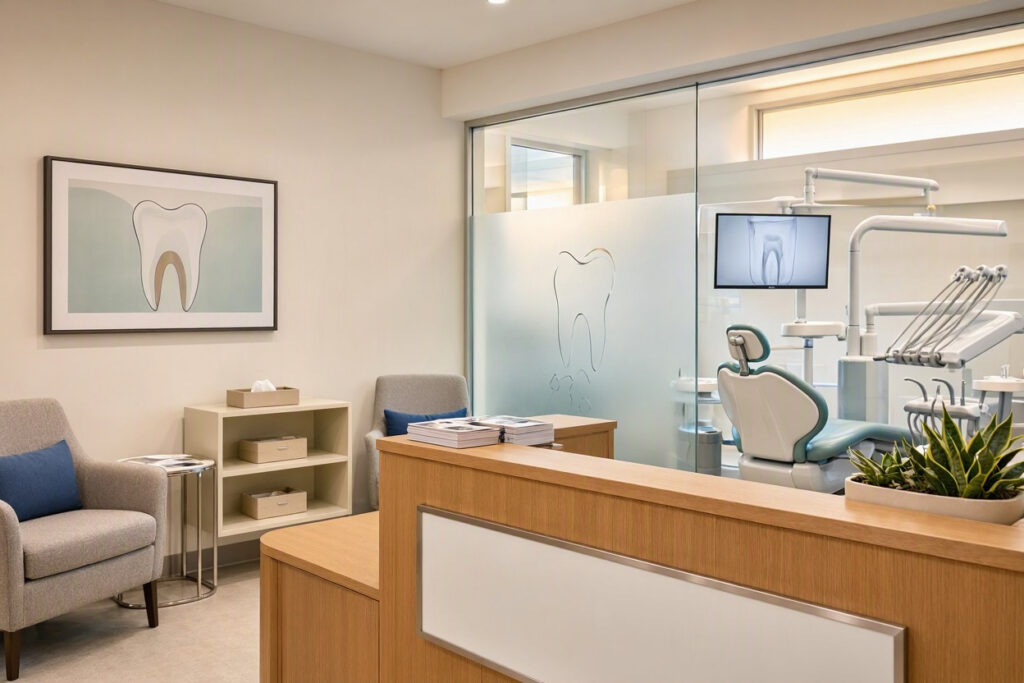
Decor in Treatment Rooms
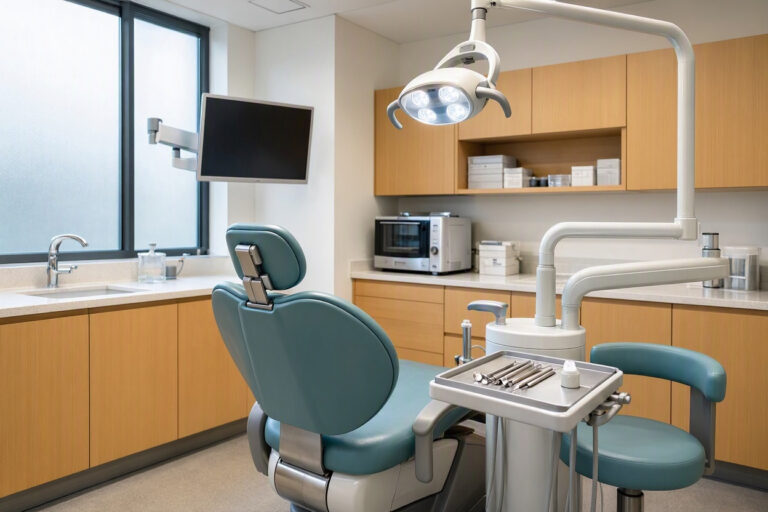
Treatment rooms need special attention. Patients lie back and stare at the ceiling. Make that view pleasant.
- Paint the ceiling a soft sky blue or add a ceiling decal (e.g., clouds or leaves).
- Mount a small framed print on the wall opposite the chair.
- Use a diffuser with calming scents (lavender or citrus) if your practice permits and if patients have no allergies.
- Avoid posters of dental procedures. They can trigger anxiety.
A simple ceiling decal costs very little but can transform a patient’s entire experience.
Table: Decor Dos and Don’ts
| Do | Don’t |
|---|---|
| Use soft, warm colors | Use harsh white or bright red |
| Hang nature or abstract art | Display medical or dental imagery |
| Add easy-to-clean plants | Use high-maintenance real plants with soil |
| Use washable rugs in waiting areas | Place carpet in operatories |
| Keep surfaces uncluttered | Overcrowd with seasonal decor |
Budget-Friendly Decor Ideas
Decor does not require a large budget. Here are realistic ideas:
- Repaint one accent wall in a calming color.
- Print and frame royalty-free nature photos.
- Buy matching throw pillows for waiting room chairs.
- Add a small shelf with a few books and a plant.
- Use battery-operated candles for a warm glow (no fire risk).
FAQs About Dental Office Decor
Q: Can I use real plants in a dental office?
Yes, but choose low-maintenance plants like snake plants or pothos. Avoid plants that need frequent watering or have loose soil. Artificial plants are a good alternative for clinical areas.
Q: How often should I update my decor?
A light refresh every 2–3 years keeps the space feeling current. Seasonal changes are optional but appreciated by patients.
Q: Is it okay to display my diplomas and awards?
Yes, but do so tastefully in the reception area. A small, neat display builds trust without looking boastful.
Additional Resource
For evidence-based guidance on reducing patient anxiety through environment design, visit the Journal of the American Dental Association: https://jada.ada.org/
Conclusion
Dental office decor is a powerful tool for patient comfort and brand building. Focus on calming colors, thoughtful artwork, soft textures, and layered lighting. Small, budget-friendly changes can make a big difference in how patients feel.