How Can I Get Help With Dental Implants?
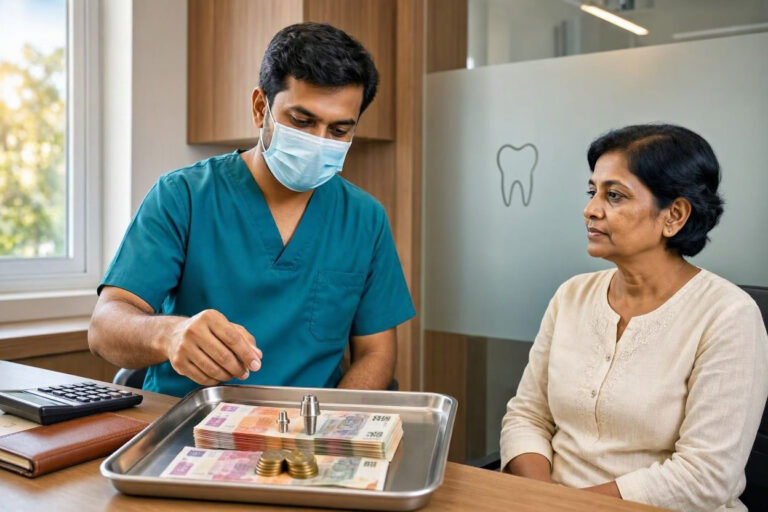
Dental implants are the best solution for missing teeth, but their high cost creates a significant barrier for many people. A single implant can cost as much as a used car. A full mouth restoration can cost as much as a down payment on a house. This leaves many patients feeling hopeless, believing that a fixed, stable smile is simply out of reach.
But help is available. You do not have to navigate the financial burden alone. There are numerous programs, resources, and strategies designed to make dental implants more affordable for those who need them. This guide will serve as your roadmap to finding that help. We will explore charitable programs, educational institutions, insurance alternatives, and financial planning tools that can bring the cost of implants down to a manageable level.

The First Step: A Clear Diagnosis and Treatment Plan
Before you can seek financial help, you need to know exactly what you are dealing with. You cannot apply for assistance without a clear picture of the work required.
Schedule a consultation with a dentist or oral surgeon. Pay for the examination and the X-rays. Ask for a written, itemized treatment plan. This plan should break down the cost of every component: the surgery, the abutment, the crown, and any additional procedures like extractions or bone grafts.
This document is your ticket to seeking help. It proves to any assistance program that you have a legitimate, diagnosed medical need.
1. Dental Schools: The Premier Option for Affordable Care
For most people seeking help with costs, dental schools are the best answer.
- How it works: Dental schools (and some hospital-based residency programs) offer implant treatment at a significantly reduced cost. The work is performed by dental residents—dentists who are pursuing advanced training in implantology. They are supervised at every step by experienced, board-certified specialists.
- The Savings: You can typically save 30% to 60% compared to a private practice.
- The Trade-off: Appointments are longer. The process may take more time because each step is checked by a supervisor.
- Where to find them: Search for “dental school implant clinic” in your state. The American Dental Education Association (ADEA) website is a good resource.
2. Clinical Trials: Free or Low-Cost Treatment
This is a little-known secret. Dental implant manufacturers and university research centers often conduct clinical trials to test new implant designs, materials, or techniques.
- How it works: Researchers need human subjects to participate in their studies. If you meet the specific criteria (e.g., you have a certain type of bone loss, or you are missing a specific tooth), you may be accepted into a trial.
- The Savings: In many cases, the implant treatment is provided completely free of charge, or at a heavily subsidized cost. You may even be compensated for your time.
- The Risk: You are participating in research. The specific technique or material being tested may be new. You must read the informed consent documents carefully.
- Where to find them: Search for “dental implant clinical trials” on the website ClinicalTrials.gov, which is run by the National Institutes of Health.
3. Charitable Programs and Non-Profits
Several non-profit organizations provide free or low-cost dental care to specific populations. These are often need-based or demographic-based.
- Donated Dental Services (DDS): This is a program run by the Dental Lifeline Network. It provides comprehensive dental care to elderly, disabled, or medically fragile individuals who cannot afford it. The care is provided by volunteer dentists. This is a fantastic resource for seniors on a fixed income.
- Mission of Mercy: These are large-scale, pop-up dental clinics held in different states. They provide free care on a first-come, first-served basis. They often focus on extractions and fillings, but some may offer implants or implant-related services.
- Local Charities and Religious Organizations: Many local churches, synagogues, and community centers have benevolence funds to help individuals in crisis. They may be willing to help with a portion of the cost.
4. Negotiation and Payment Plans (Revisited)
As we discussed in the article on haggling, you have power as a consumer.
- Ask for a Cash Discount: This is the simplest form of help. If you can pay the full fee upfront with cash, ask for a 5% or 10% discount.
- Negotiate the Fee: Get multiple quotes and use them as leverage. A polite request for flexibility can yield results.
- In-House Payment Plans: Most dental offices will allow you to break the total cost into monthly installments. This transforms a $4,000 bill into a $150 monthly budget item.
- Third-Party Financing: Companies like CareCredit and LendingClub offer healthcare loans. They often have promotional periods with zero interest if you pay the balance off within a specific time (e.g., 12 or 18 months).
5. Government Assistance Programs
Understanding the limits of government help is crucial.
- Medicare: In the United States, Original Medicare does not cover dental implants. It only covers dental work if it is an integral part of a covered medical procedure (e.g., jaw reconstruction after cancer surgery).
- Medicaid: Medicaid is a state-run program for low-income individuals. Dental coverage for adults under Medicaid varies widely by state. Some states do not cover dental care at all for adults. Others cover extractions and dentures, but not implants. A few states have started covering implants in specific, medically necessary cases.
- State Programs: Some states have specific programs for seniors or people with disabilities that may include dental benefits. Check with your state’s Department of Health and Human Services.
6. The “Dental Tourism” Option (Revisited)
As discussed earlier, traveling abroad for dental care is a way to get help with the cost of the procedure, though it introduces other risks. A $4,000 implant in the US might be $1,200 in Costa Rica. If you are considering this, research the clinic’s credentials meticulously.
7. Crowdfunding
In the age of social media, crowdfunding platforms like GoFundMe have become a common way to raise money for medical expenses.
- How it works: You create a page explaining your story, your need for implants, and the cost. You share it with your network of friends, family, and social media followers.
- The Reality: This works best for people with a compelling story and a wide social network. It is not a guaranteed source of funding, but it can help.
A Note on Quality and Safety
When you are seeking help with costs, it is tempting to jump at the absolute cheapest option. Be careful. A poorly placed implant can fail. It can cause nerve damage, infection, and bone loss. The cost of fixing a botched implant is often higher than the cost of getting it done right the first time. Always prioritize the skill and experience of the provider. Saving money is not worth sacrificing your health.
Conclusion
Help with the cost of dental implants is available if you know where to look. From the structured environment of dental schools to the charity of organizations like Donated Dental Services, you have options. The key is to be proactive. Do your research, get a clear treatment plan, and do not be afraid to ask for help. A healthy, functional smile is an achievable goal.
Frequently Asked Questions (FAQ)
Q: Does Medicare cover dental implants in 2024?
A: No. Original Medicare (Parts A and B) does not cover routine dental care, including dental implants. Some Medicare Advantage (Part C) plans offered by private companies may include some dental benefits, but this is not standard.
Q: Are there free dental implants for veterans?
A: The VA provides dental care to veterans who have a service-connected dental condition, who are 100% disabled, or who were prisoners of war. For other veterans, the VA offers limited dental care. You must check your specific eligibility with the Department of Veterans Affairs.
Q: Can I get help with dental implants if I am on disability?
A: Yes, potentially. The Donated Dental Services (DDS) program specifically serves people with disabilities who cannot afford care. You can apply through the Dental Lifeline Network.
Q: How do I find a clinical trial for dental implants?
A: Go to ClinicalTrials.gov and search for “dental implant” and your location. You will see a list of active studies. Each study has specific eligibility criteria. Contact the study coordinator if you think you qualify.
Q: Is it worth getting a dental implant from a dental school?
A: For most cost-conscious patients, yes. The trade-off is time. The appointments are longer, and the process may take more visits. However, the savings are substantial, and the quality of care is high because it is closely supervised.
Additional Resource:
To apply for help from a volunteer network of dentists, visit the Dental Lifeline Network: https://dentallifeline.org/