Who Should Not Get A Dental Implant?
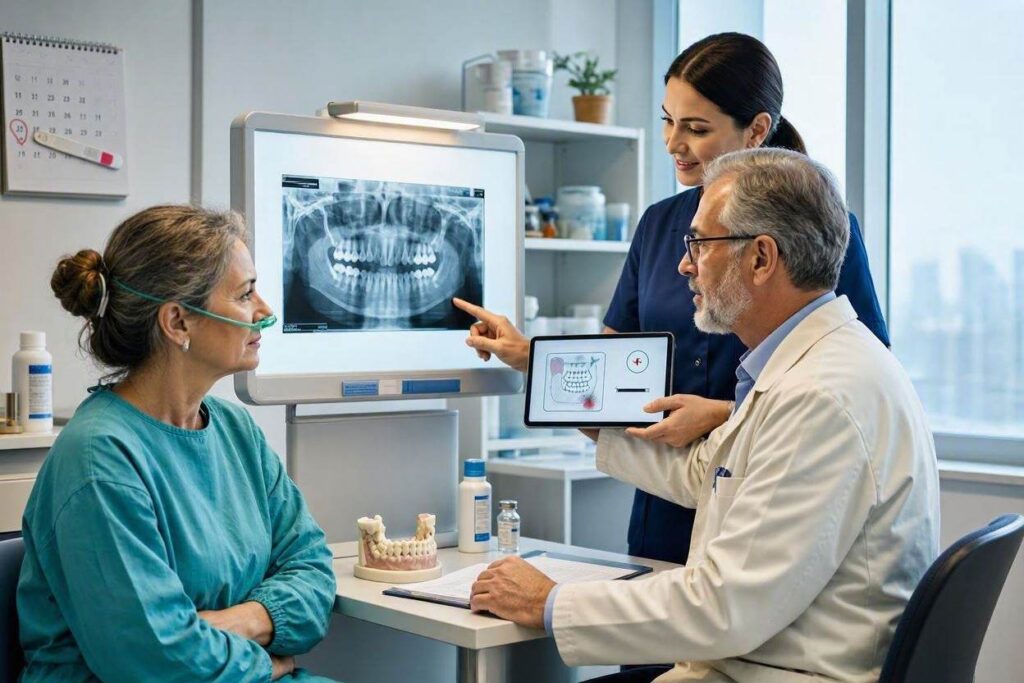
You are considering dental implants. You have heard the impressive success rates, the transformative before-and-after stories, and the endorsements from dentists and patients alike. You want a permanent solution for your missing tooth. But as you research, a critical question emerges: Are you a candidate? Dental implants are not for everyone. There are specific medical conditions, anatomical factors, lifestyle choices, and stages of life that can make implant placement risky, ill-advised, or outright contraindicated. Identifying these contraindications is essential for your safety and for the long-term success of the treatment.
This guide will provide a comprehensive, evidence-based overview of who should not get a dental implant, or who should proceed only after careful medical consultation and risk mitigation. We will examine absolute contraindications, relative contraindications, and the gray areas that require a collaborative decision between you, your dentist, and your physician.
Absolute Contraindications
Absolute contraindications are conditions under which dental implant placement should not be performed because the risk of serious harm or inevitable failure outweighs any potential benefit. These are rare, but they are firm.
Recent High-Dose Radiation Therapy to the Jaws
Patients who have received therapeutic radiation doses to the head and neck region for cancer treatment are at significant risk for osteoradionecrosis (ORN). ORN is a devastating condition in which the irradiated bone dies and fails to heal after trauma, such as a tooth extraction or implant surgery. The bone becomes hypovascular, meaning it has a permanently reduced blood supply, and hypocellular, meaning it has fewer cells capable of repair. Implant surgery in irradiated bone can trigger a non-healing wound, leading to exposed, necrotic bone that can become infected and cause severe pain, fracture, and deformity.
The risk is highest in the mandible, the lower jaw. The threshold for significant risk is generally a radiation dose exceeding 50 Gray to the jawbone. Hyperbaric oxygen therapy, breathing pure oxygen in a pressurized chamber, is sometimes used before and after implant surgery to stimulate angiogenesis and improve healing, but it does not eliminate the risk. Many clinicians consider irradiated jaws an absolute contraindication, especially if radiation was recent or high-dose. Some carefully selected cases may be treated by a team in a specialized cancer center.
Active Intravenous Bisphosphonate Therapy or High-Risk Antiresorptive Medication
Patients receiving intravenous bisphosphonates, such as zoledronic acid (Zometa, Reclast), for the management of bone metastases from cancer, or for multiple myeloma, are at high risk for medication-related osteonecrosis of the jaws (MRONJ). These medications profoundly suppress bone turnover. The jawbones, which have a high rate of natural turnover, are particularly susceptible. A surgical wound, such as an implant osteotomy, can trigger a cascade of non-healing, bone death, and infection.
The risk with intravenous bisphosphonates for cancer is substantial and is considered an absolute contraindication to elective implant surgery by most clinicians. Oral bisphosphonates, such as alendronate (Fosamax), taken for osteoporosis, carry a lower risk, but the risk increases with the duration of therapy, typically beyond three to five years. Patients on oral bisphosphonates require a careful risk assessment, including a blood test called serum C-terminal telopeptide (CTX) to assess bone turnover, and a thorough informed consent discussion.
Other antiresorptive medications, such as denosumab (Prolia, Xgeva), and anti-angiogenic medications used in cancer treatment also increase the risk of MRONJ. A comprehensive medication review is mandatory before any implant surgery.
Uncontrolled Systemic Disease
Several systemic diseases, when poorly controlled, create an environment incompatible with predictable implant osseointegration and wound healing.
Uncontrolled Diabetes Mellitus. Diabetes, particularly when poorly controlled with a hemoglobin A1c (HbA1c) consistently above 8% or higher depending on the clinician’s threshold, impairs wound healing, reduces resistance to infection, alters collagen metabolism, and causes microvascular disease that reduces blood flow to the bone. Implant failure rates are significantly higher in uncontrolled diabetics. Well-controlled diabetics with HbA1c levels near the normal range have success rates approaching those of non-diabetics. Implant surgery is not absolutely contraindicated in diabetes, but it is contraindicated in uncontrolled diabetes. A medical evaluation and a stable HbA1c are prerequisites.
Immunocompromised States. Patients with severely compromised immune systems, such as those with AIDS with low CD4 counts, those on high-dose immunosuppressive therapy for organ transplantation, or those undergoing active chemotherapy, have impaired healing and a diminished capacity to fight infection. Implant surgery is deferred until the immune status is optimized. A patient in remission or on a stable, low-dose immunosuppressive regimen may be a candidate with appropriate precautions.
Bleeding Disorders. Severe, unmanaged bleeding disorders such as hemophilia or severe thrombocytopenia (low platelet count) increase the risk of life-threatening hemorrhage during implant surgery. With appropriate hematologic management, factor replacement, or platelet transfusion in a hospital setting, surgery may be possible. Untreated or unmanaged, these are contraindications.
Recent Myocardial Infarction or Cerebrovascular Accident. A recent heart attack or stroke, typically within the past six months, is a contraindication to elective surgery, including dental implant placement. The stress of the procedure, the vasoconstrictors in local anesthetics, and the risk of bleeding if the patient is on anticoagulants all necessitate a waiting period and medical clearance.
Active Cancer in the Jaw
If a malignancy is present in the jawbone at the site of the proposed implant, implant surgery is contraindicated. The cancer must be treated and the patient declared cancer-free in that region before an implant can be considered. Furthermore, an implant placed in bone that will be targeted by future radiation is a setup for ORN.
Severe Psychiatric or Psychological Disorders
Patients with severe, uncontrolled psychiatric disorders that impair their ability to understand the procedure, consent to treatment, or maintain the necessary oral hygiene for implant maintenance may not be suitable candidates. Each case must be assessed individually, and capacity to consent and comply with maintenance must be evaluated.
Relative Contraindications
Relative contraindications are conditions that increase the risk of implant failure or complications but do not absolutely preclude implant treatment. The implant can proceed if the risk factor is managed, mitigated, or accepted by the patient and the clinical team.
Heavy Smoking
Smoking is one of the strongest relative contraindications to dental implants. Smokers have a significantly higher implant failure rate than non-smokers. Nicotine is a potent vasoconstrictor, reducing blood flow and oxygen delivery to the healing tissues. Smoking impairs the function of neutrophils and macrophages, compromising the immune response. The heat and chemical toxins in tobacco smoke alter the oral microbiome and irritate the peri-implant tissues, increasing the risk of peri-implantitis.
Many implant surgeons will not place implants in patients who smoke more than 10 cigarettes per day. Some require a period of smoking cessation before surgery and throughout the healing period. A patient who quits smoking can dramatically improve their implant prognosis.
Bruxism and Severe Parafunctional Habits
Bruxism, the habitual grinding or clenching of teeth, generates forces that far exceed normal chewing loads. These forces can overload an implant, leading to bone loss, abutment screw loosening, crown fracture, and even implant fracture. A patient with severe, uncontrolled bruxism is a high-risk implant candidate.
Bruxism is not a contraindication per se, but it demands a comprehensive treatment plan that includes a hard occlusal nightguard, careful distribution of implants, consideration of additional implants to share the load, and meticulous occlusal design to minimize lateral forces on the implants. A patient unwilling to commit to lifelong nightguard wear is a poor candidate.
Active Periodontal Disease
Active, untreated periodontitis is a contraindication to implant placement. The pathogenic bacteria that cause periodontitis can colonize the implant surface and cause peri-implantitis. Placing an implant into an infected oral environment invites failure. Periodontal disease must be treated and stabilized before implant surgery. The patient must demonstrate the ability and willingness to maintain excellent oral hygiene and attend regular periodontal maintenance visits. A history of treated periodontitis is a risk factor, but not a contraindication, provided the disease is stable.
Insufficient Bone Volume
Adequate bone volume is required to fully encase the implant. If there is insufficient bone, the implant cannot be placed without advanced grafting procedures. This is a relative contraindication because bone can be reconstructed with grafting. However, if the bone deficiency is so severe that grafting is not feasible or would require extraordinarily complex surgery that the patient is unwilling or unable to undergo, implant treatment may be precluded. The patient must be willing to accept the additional time, cost, and surgical procedures associated with bone grafting.
Age and Skeletal Growth
Dental implants should not be placed in children or adolescents whose jaws are still growing. An implant placed too early will not erupt with the growing jaw. It will become submerged, or infraoccluded, and can impede normal jaw growth. Implant placement is deferred until skeletal maturity is confirmed, typically through a hand-wrist radiograph or a lateral cephalometric radiograph assessing growth plates. For girls, this is usually around age 15 to 16. For boys, it is usually around age 17 to 18 or later. There is no upper age limit for dental implants. A healthy 80-year-old can successfully receive an implant.
Pregnancy
Elective surgical procedures, including dental implant placement, should be postponed until after delivery. The physiological changes of pregnancy, the potential risks of medications and radiation from diagnostic imaging, and the theoretical concerns about osseointegration in a hormonally altered state make deferral the standard of care.
The Gray Zones: Emerging Evidence and Cautious Approaches
Some conditions were historically considered contraindications but are now being successfully navigated with evolving techniques and technologies.
Patients on Anticoagulant and Antiplatelet Therapy. Patients taking warfarin (Coumadin), clopidogrel (Plavix), or direct oral anticoagulants (DOACs) like apixaban (Eliquis) or rivaroxaban (Xarelto) can often undergo implant surgery safely without discontinuing their medication. The risk of bleeding is managed with local hemostatic measures. Consultation with the prescribing physician is mandatory. The risk of a thromboembolic event from stopping the medication often outweighs the risk of bleeding from implant surgery.
Patients with Autoimmune Diseases. Conditions like rheumatoid arthritis, lupus, and Sjögren’s syndrome were once considered major risk factors. With modern disease-modifying antirheumatic drugs (DMARDs) and careful medical coordination, many patients with well-controlled autoimmune disease can receive implants successfully. Each case must be evaluated individually.
Summary of Key Contraindications
- Absolute: Recent high-dose jaw radiation, active IV bisphosphonates, uncontrolled systemic disease, active jaw cancer, severe bleeding disorders.
- Relative: Heavy smoking, severe bruxism, active periodontal disease, insufficient bone, adolescence, pregnancy.
- Requiring Medical Coordination: Diabetes, immunosuppression, anticoagulation, oral bisphosphonates.
Conclusion
Dental implants are a remarkably successful treatment, but they are not suitable for everyone. A thorough medical and dental evaluation, including a detailed health history, medication review, CBCT imaging, and assessment of risk factors, is mandatory before proceeding. The decision to place an implant is a collaborative one involving the patient, the implant surgeon, the restorative dentist, and often the patient’s physician. Identifying and respecting contraindications protects the patient from harm and preserves the integrity of the implant treatment.
Frequently Asked Questions (FAQ)
1. Can I get a dental implant if I have osteoporosis?
Osteoporosis itself is not a contraindication. However, the medications used to treat it, particularly bisphosphonates, can be. A careful evaluation is required.
2. Is it safe to get an implant if I have a heart condition?
It depends on the specific condition, its stability, and the medications you take. Medical clearance from your cardiologist is often required.
3. Can teenagers get dental implants?
Generally, no. Implants should wait until jaw growth is complete, usually late adolescence. An implant placed too early will not move with the growing jaw.
4. Will my dentist test me for contraindications before recommending an implant?
A thorough dentist will take a complete medical history, review your medications, and may consult with your physician before developing a treatment plan.
5. Can I get an implant if I have gum disease?
Active gum disease must be treated and stabilized first. A history of treated gum disease is a risk factor but not a barrier to implant treatment.
6. Is vaping a contraindication for dental implants?
Vaping is a relatively new phenomenon. Nicotine from vaping has the same vasoconstrictive and healing-impairing effects as nicotine from traditional cigarettes. It is a relative contraindication.
7. Can I get a dental implant if I am allergic to titanium?
True titanium allergy is exceedingly rare. If it is suspected, allergy testing can be performed. Zirconia implants are a metal-free alternative.
Additional Resource
For more information on patient selection and implant treatment planning, visit the American Academy of Implant Dentistry:
American Academy of Implant Dentistry