Are Metal Dental Implants A Health Risk?
Dental implants have become the gold standard for replacing missing teeth. Millions of people worldwide have received implants, and the vast majority experience successful outcomes. However, some patients express concerns about the metal used in dental implants. They wonder if having metal permanently placed in their jawbone poses a health risk.
This guide examines the safety of metal dental implants. You will learn about the materials used, potential risks, scientific evidence, and who should exercise caution before getting implants.
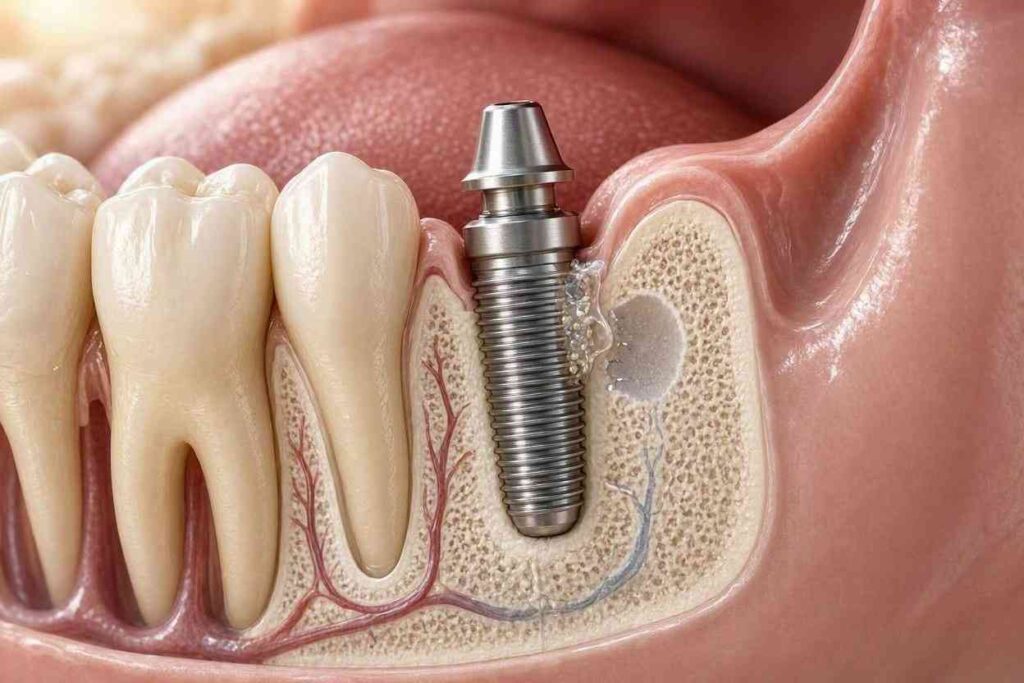
Understanding Dental Implant Materials
Dental implants are made from biocompatible materials designed to integrate with your jawbone. The term “metal dental implants” usually refers to titanium implants, which are the most common type.
Titanium Implants
Titanium is the most widely used material for dental implants. It has been used in medical and dental applications for over 50 years. Titanium is lightweight, strong, and highly resistant to corrosion. Most importantly, it is biocompatible, meaning your body accepts it without mounting an immune response.
The success rate of titanium implants is approximately 95% to 98% over ten years. This remarkable track record demonstrates their safety and effectiveness.
Titanium Alloys
Some implants use titanium alloys rather than pure titanium. The most common alloy is titanium-6aluminum-4vanadium, often written as Ti-6Al-4V. This alloy is stronger than pure titanium and is used for implants that require additional strength.
The small amounts of aluminum and vanadium in the alloy are tightly bound within the metal structure. They do not leach out in significant quantities under normal conditions.
Zirconia Implants
Zirconia implants are a metal-free alternative. They are made from zirconium dioxide, a ceramic material. Zirconia implants are white, which some patients prefer for aesthetic reasons. They are also an option for patients with metal sensitivities.
Zirconia implants have a shorter track record than titanium but show promising results. The success rate is comparable to titanium in many studies.
Potential Health Risks of Metal Dental Implants
While metal dental implants are generally safe, there are some potential risks to consider.
Metal Allergies
Some people are allergic to metals, including titanium. Titanium allergy is rare but does occur. Symptoms of a titanium allergy include swelling, redness, and inflammation around the implant site. In some cases, the implant may fail to integrate with the bone.
If you have a known metal allergy, inform your dentist before getting implants. A patch test can determine if you are allergic to titanium or other metals.
Galvanic Corrosion
Galvanic corrosion occurs when different metals are present in the mouth. For example, if you have titanium implants and also have metal fillings or crowns made from different metals, a small electrical current can flow between them. This can cause corrosion of the metals and a metallic taste in the mouth.
Galvanic corrosion is rare and usually minor. It does not typically cause significant health problems. However, it can cause discomfort and may require replacement of the metal restorations.
Titanium Particles
Some studies have found titanium particles in the tissues surrounding dental implants. These particles result from wear and corrosion of the implant surface over time. The question is whether these particles cause health problems.
Current evidence suggests that titanium particles do not cause systemic health issues in most patients. The particles remain localized around the implant site. However, some researchers have raised concerns about potential long-term effects, particularly in patients with autoimmune conditions.
Peri-Implantitis
Peri-implantitis is an inflammatory condition affecting the tissues around a dental implant. It is similar to gum disease around natural teeth. Bacteria accumulate around the implant, causing inflammation and bone loss.
Peri-implantitis is not caused by the metal itself but by bacterial infection. However, it is a risk associated with dental implants. Good oral hygiene and regular dental visits are essential for prevention.
Scientific Evidence on Metal Implant Safety
Numerous studies have examined the safety of metal dental implants. The overwhelming consensus is that titanium implants are safe for most patients.
Long-Term Studies
Long-term studies following patients for 10 to 20 years show high survival rates for titanium implants. The vast majority of patients experience no adverse effects related to the metal.
Biocompatibility Research
Research on titanium biocompatibility demonstrates that the metal integrates well with bone tissue. The process of osseointegration, where bone cells attach directly to the implant surface, is well-documented.
Regulatory Approval
Titanium dental implants are approved by regulatory agencies worldwide, including the US Food and Drug Administration and the European Medicines Agency. These approvals require extensive testing and clinical trials demonstrating safety and effectiveness.
Who Should Exercise Caution?
While metal dental implants are safe for most people, certain groups should exercise caution.
Patients with Metal Allergies
If you have a known allergy to titanium or other metals, discuss this with your dentist. A patch test can confirm the allergy. Zirconia implants may be a suitable alternative.
Patients with Autoimmune Conditions
Some autoimmune conditions, such as lupus or rheumatoid arthritis, may affect healing and implant success. Patients with these conditions should discuss the risks with their dentist and medical doctor.
Patients with Compromised Immune Systems
Patients with compromised immune systems, such as those undergoing chemotherapy or taking immunosuppressive medications, may have a higher risk of implant failure. A thorough evaluation is essential.
Patients with Uncontrolled Diabetes
Uncontrolled diabetes impairs healing and increases the risk of infection. Patients with diabetes should have their blood sugar well-controlled before implant surgery.
Metal Implants and MRI Scans
One common concern is whether metal dental implants interfere with MRI scans. The short answer is no.
Dental implants are made from titanium, which is non-magnetic. They do not heat up or move during an MRI scan. They may cause some distortion of the MRI image if the scan is of the head or neck area, but this is usually minor and does not affect the diagnostic quality.
Inform your healthcare provider about your dental implants before an MRI. They can adjust the imaging parameters if needed.
Metal Implants and Airport Security
Another common concern is whether dental implants trigger airport security metal detectors. In most cases, they do not.
Dental implants are small and made from titanium, which is not highly magnetic. Most airport security metal detectors do not detect dental implants. Even if they do, a brief explanation is usually sufficient.
Signs of Potential Problems
While complications are rare, it is important to recognize signs of potential problems with your dental implants.
Persistent Pain
Some discomfort after implant surgery is normal. However, persistent pain that does not improve after several weeks may indicate a problem.
Swelling or Redness
Ongoing swelling, redness, or warmth around the implant site may indicate infection or inflammation.
Implant Mobility
A properly integrated implant should be stable. If the implant feels loose or moves, contact your dentist immediately.
Bleeding or Discharge
Bleeding or discharge from around the implant site is a sign of infection and requires prompt attention.
Metallic Taste
A persistent metallic taste in your mouth may indicate corrosion of the implant or other metal restorations.
How to Minimize Risks
You can take steps to minimize the risks associated with metal dental implants.
Choose an Experienced Provider
Select a dentist or oral surgeon with extensive experience in implant placement. A skilled provider reduces the risk of complications.
Disclose Your Medical History
Inform your dentist of all medical conditions, medications, and allergies. This allows them to assess your individual risk.
Maintain Good Oral Hygiene
Brush and floss daily, and visit your dentist regularly. Good oral hygiene prevents peri-implantitis and other complications.
Attend Follow-Up Visits
Regular follow-up visits allow your dentist to monitor the implant and detect problems early.
Do Not Smoke
Smoking significantly increases the risk of implant failure. If you smoke, consider quitting before getting implants.
Important Notes for Patients
- Titanium dental implants have a long track record of safety and effectiveness.
- Metal allergies to titanium are rare but do occur. Discuss any concerns with your dentist.
- Zirconia implants offer a metal-free alternative for patients with sensitivities.
- Peri-implantitis is the most common complication and is caused by bacteria, not the metal itself.
- Dental implants do not interfere with MRI scans or airport security.
- Most patients experience no adverse effects from metal dental implants.
Frequently Asked Questions
Are titanium dental implants safe?
Yes, titanium dental implants are safe for most patients. They have been used for over 50 years with a success rate of 95% to 98%. Extensive research and regulatory approval confirm their safety.
Can I be allergic to titanium dental implants?
Yes, titanium allergy is possible but rare. Symptoms include swelling, redness, and inflammation around the implant site. If you suspect a titanium allergy, ask your dentist about testing.
Do dental implants cause cancer?
No, there is no scientific evidence linking dental implants to cancer. Titanium is biocompatible and does not cause cancer. Numerous long-term studies confirm the safety of dental implants.
Can dental implants cause autoimmune problems?
There is no conclusive evidence that dental implants cause autoimmune problems. Some patients with autoimmune conditions may have a higher risk of implant failure, but the implants do not cause the condition.
Do metal dental implants rust?
Titanium dental implants do not rust in the traditional sense. Titanium forms a protective oxide layer that prevents corrosion. Galvanic corrosion can occur in rare cases when different metals are present.
Are zirconia implants safer than titanium?
Zirconia implants are a safe alternative to titanium. They are metal-free and suitable for patients with metal sensitivities. Both types have comparable success rates.
How long do metal dental implants last?
With proper care, metal dental implants can last 20 years or more. Many patients keep their implants for life. Good oral hygiene and regular dental visits are essential.
What are the signs of implant rejection?
Signs of implant rejection include persistent pain, swelling, implant mobility, and bone loss around the implant. Contact your dentist if you experience these symptoms.
Conclusion
Metal dental implants, primarily made from titanium, are safe for the vast majority of patients. They have a proven track record of over 50 years with high success rates. Potential risks include rare metal allergies, galvanic corrosion, and peri-implantitis, but these complications are uncommon. Patients with metal sensitivities can choose zirconia implants as a metal-free alternative. Choosing an experienced provider and maintaining good oral hygiene minimizes risks and ensures long-term success.
Additional Resource
For more information on dental implant safety and finding a qualified implant dentist, visit the American Academy of Implant Dentistry at www.aaid.com. This professional organization offers patient education resources and a directory of credentialed implant dentists.