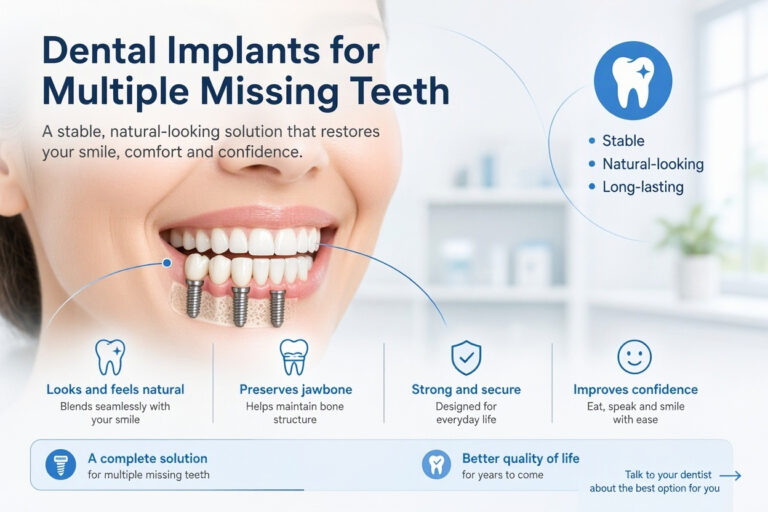
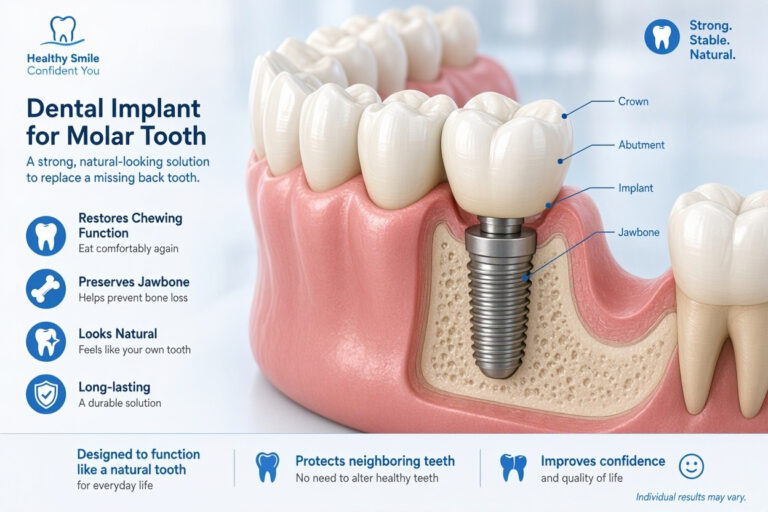
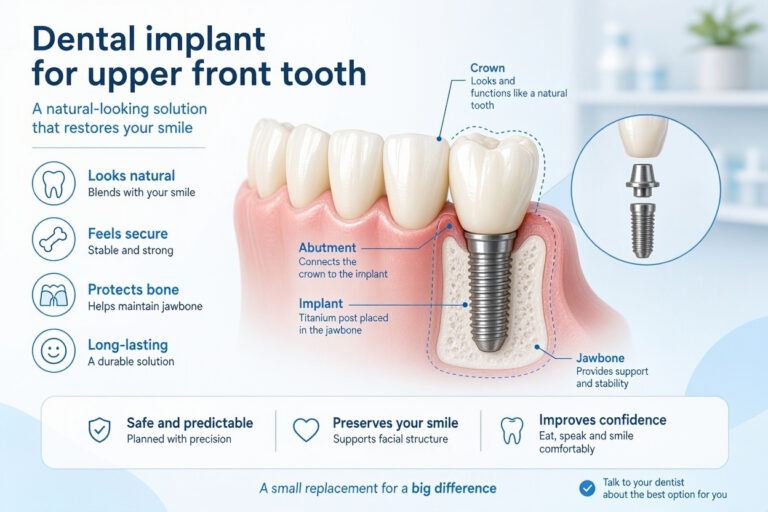
Dental Implant After Gum Disease Treatment: Your Complete Guide to Restoring Your Smile
Losing a tooth is never easy. But when that loss comes after a long battle with gum disease, the emotional and physical toll can feel overwhelming. You’ve already fought hard to get your gums healthy again. Now you’re wondering: can I still get a dental implant? Is it safe? Will my past gum problems come back to haunt me?
You’re not alone in these concerns. Thousands of people face this exact situation every year. The good news is that dental implants remain a viable option for most people who have successfully treated their gum disease. However, the path forward requires careful planning, proper preparation, and a clear understanding of what lies ahead.
This guide will walk you through everything you need to know about getting a dental implant after gum disease treatment. We’ll cover the science, the practical steps, the risks, and the realistic outcomes. By the end, you’ll have a clear picture of what to expect and how to make informed decisions about your dental health.
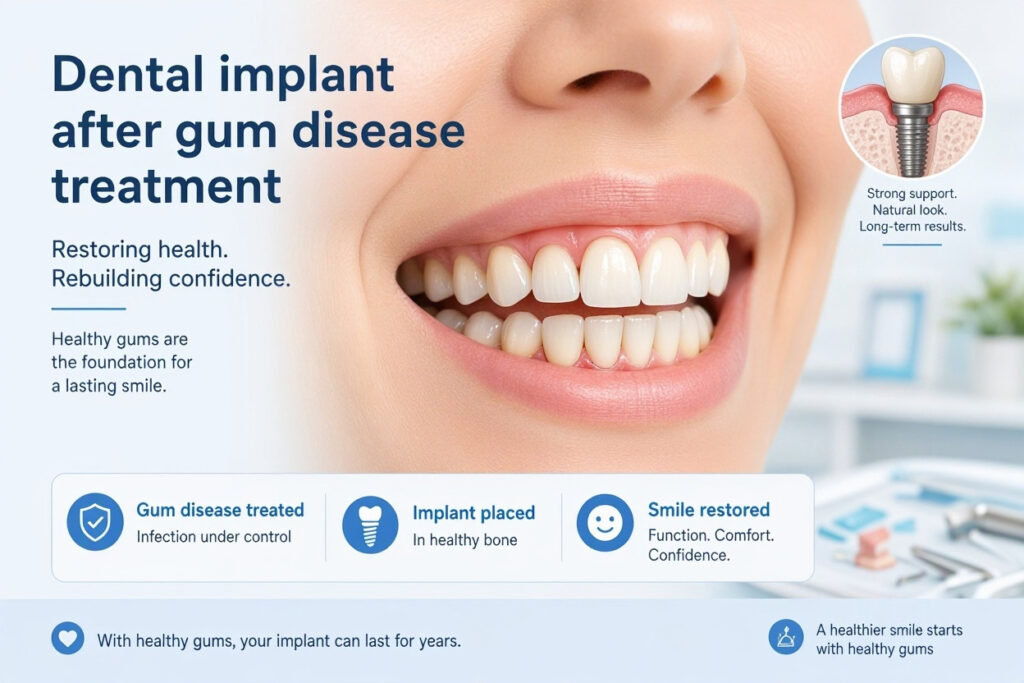
The Connection Between Gum Disease and Tooth Loss
Why Gum Disease Leads to Missing Teeth
Gum disease, also known as periodontal disease, doesn’t just affect your gums. It’s a progressive condition that attacks the entire support system of your teeth. Here’s what happens:
The disease starts as gingivitis, causing redness, swelling, and bleeding when you brush. At this stage, the damage is reversible. But when left untreated, it advances to periodontitis. Your gums begin to pull away from your teeth, creating pockets where bacteria thrive. Your body’s immune response fights back, but in doing so, it also breaks down the bone that holds your teeth in place.
Over time, this bone loss becomes severe. Teeth may become loose, shift out of position, or eventually fall out. In some cases, your dentist may need to extract teeth that can no longer be saved.
The Importance of Treating Gum Disease First
You might wonder: can’t I just get an implant and skip the gum disease treatment? The answer is a firm no. Placing a dental implant into an environment with active gum disease is like building a house on a foundation of sand. The implant will likely fail.
Active gum disease means:
- Bacteria are present in high numbers
- Your immune system is in overdrive
- Bone loss is ongoing
- Healing capacity is compromised
For an implant to succeed, it needs a clean, healthy environment where bone can integrate with the implant surface. This process, called osseointegration, requires stable bone and healthy soft tissue. Neither exists when gum disease is active.
“The single most important factor in implant success is the health of the surrounding tissues. We never place implants in patients with uncontrolled periodontal disease. It’s simply too risky.” – Dr. Sarah Chen, Periodontist
How Gum Disease Treatment Prepares You for Implants
Treating gum disease isn’t just about saving your remaining teeth. It’s also about creating the conditions for successful implant placement. Treatment typically involves:
Non-surgical approaches:
- Scaling and root planing (deep cleaning)
- Antibiotic therapy
- Improved home care routines
- Regular professional maintenance
Surgical approaches (when needed):
- Flap surgery to reduce pocket depth
- Bone grafting to rebuild lost bone
- Soft tissue grafts to restore gum thickness
Once your gums are healthy and stable, your dental team can properly evaluate whether implants are right for you.
Assessing Your Candidacy for Dental Implants
What Your Dentist Will Evaluate
Not everyone who has had gum disease can get dental implants immediately. Your dentist will conduct a thorough assessment that includes:
Gum health status
Your gums must be free of active disease. This means no bleeding, no deep pockets, and no signs of inflammation. Your dentist will measure pocket depths and check for bleeding on probing.
Bone quantity and quality
Gum disease often causes bone loss. Your dentist will use X-rays and possibly a CT scan to measure how much bone remains. If there’s not enough bone, grafting may be necessary before implant placement.
Overall health
Certain medical conditions can affect implant success. Diabetes, autoimmune disorders, and smoking are among the factors that require special consideration.
Oral hygiene habits
Implants require excellent oral care. Your dentist will assess your commitment to maintaining good hygiene and regular dental visits.
The Role of Bone Loss in Implant Planning
Bone loss is perhaps the biggest challenge for implant placement after gum disease. When you lose a tooth, the bone that supported it begins to shrink. This process accelerates when gum disease has already damaged the bone.
Here’s how bone loss affects implant planning:
Mild bone loss
If enough bone remains to fully encase the implant, you may proceed directly to implant placement.
Moderate bone loss
Bone grafting may be needed to build up the site before or during implant placement.
Severe bone loss
More extensive grafting procedures may be required. In some cases, alternative treatments might be more appropriate.
“Bone grafting has revolutionized implant dentistry. We can now rebuild jawbone that was lost to periodontal disease, giving patients options they never had before.” – Dr. Michael Torres, Oral Surgeon
Factors That Increase Your Risk of Implant Failure
While implants have a high success rate, certain factors can increase your risk of complications:
| Risk Factor | Impact on Implant Success | How to Manage |
|---|---|---|
| Smoking | Significantly reduces healing and increases infection risk | Quit smoking at least 2 weeks before surgery and throughout healing |
| Uncontrolled diabetes | Impairs healing and increases infection risk | Work with your doctor to stabilize blood sugar levels |
| Poor oral hygiene | Leads to peri-implantitis (implant infection) | Commit to excellent daily care and regular check-ups |
| History of severe periodontitis | Higher risk of recurrent disease around implants | Maintain strict periodontal maintenance schedule |
| Medications (bisphosphonates, etc.) | Can affect bone healing | Discuss all medications with your dentist |
| Immune system disorders | Slower healing, higher infection risk | Medical clearance and close monitoring needed |
The Critical Waiting Period: How Long After Gum Disease Treatment?
Why Timing Matters
You’ve completed your gum disease treatment. Your gums look healthier. Can you get your implant now? Not so fast. Your dentist will recommend a waiting period for good reason.
This waiting period serves several purposes:
Confirming disease stability
Gum disease can be unpredictable. Even after treatment, some patients experience recurrence. Waiting allows your dentist to confirm that your gums are truly stable and not just temporarily improved.
Allowing tissues to heal
Your gums need time to fully recover from treatment. This includes the healing of any surgical sites and the reattachment of gum tissue to your teeth.
Ensuring bone stability
If you had bone grafting, the graft needs time to integrate with your natural bone. This can take several months.
Typical Waiting Times
The waiting period varies based on your individual situation:
| Situation | Typical Waiting Period |
|---|---|
| Mild gum disease, non-surgical treatment | 2-3 months |
| Moderate to severe gum disease | 3-6 months |
| After bone grafting | 4-6 months |
| After soft tissue grafting | 2-3 months |
| After tooth extraction | 3-6 months |
Your dentist will monitor your progress and determine the right time for implant placement based on your specific healing response.
Signs That You’re Ready for Implant Placement
Before proceeding with implants, your dentist will look for these signs:
- Gum pockets measuring 3mm or less
- No bleeding when probed
- Stable gum levels
- Firm, healthy gum tissue
- Adequate bone density on imaging
- No signs of active infection
- Good oral hygiene habits demonstrated over time
Preparing Your Mouth for Dental Implants
Bone Grafting: Rebuilding Your Foundation
Bone grafting is often necessary after gum disease has caused significant bone loss. This procedure adds bone material to your jaw to create a solid foundation for the implant.
Types of bone grafts:
Autograft
Bone taken from another part of your body, typically the chin or hip. This is considered the gold standard because it contains living bone cells.
Allograft
Bone from a human donor (processed and sterilized). This is commonly used and highly effective.
Xenograft
Bone from an animal source, usually bovine (cow). The material is processed to remove all organic components, leaving only the mineral structure.
Synthetic graft
Man-made materials that mimic natural bone. These work well for smaller defects.
The grafting procedure itself is typically straightforward. Your dentist or surgeon places the graft material into the deficient area and covers it with a membrane if needed. Healing takes several months as your body replaces the graft with new bone.
Soft Tissue Grafting: Restoring Gum Health
Gum disease often leaves you with thin or receded gums. Soft tissue grafting can restore gum thickness and coverage, which is important for both aesthetics and implant health.
Why soft tissue grafting matters for implants:
- Provides a seal around the implant
- Prevents bacterial infiltration
- Improves appearance
- Reduces risk of implant exposure
The procedure involves taking tissue from the roof of your mouth (palate) or using donor tissue, then attaching it to the deficient area. Healing typically takes 2-4 weeks.
Treating Any Remaining Issues
Before implant placement, your dentist will address any lingering problems:
Infected teeth
Any remaining teeth with active infection need treatment or extraction.
Failing restorations
Old crowns, bridges, or fillings that are compromised should be replaced.
Bite problems
Misaligned teeth or bite issues should be corrected to ensure even distribution of forces on the implant.
TMJ disorders
Jaw joint problems should be evaluated and managed.
The Dental Implant Procedure: Step by Step
Phase 1: Consultation and Planning
Your implant journey begins with a comprehensive consultation. This appointment typically includes:
- Review of your medical and dental history
- Clinical examination
- X-rays and possibly a CT scan
- Discussion of your goals and expectations
- Explanation of the procedure and timeline
- Cost estimate and payment options
Your dentist will use digital planning tools to determine the ideal position, angle, and depth for your implant. This precision planning is crucial for success.
Phase 2: Implant Placement Surgery
The implant placement procedure itself is usually performed under local anesthesia. Here’s what happens:
Step 1: Anesthesia
Your dentist will numb the area to ensure your comfort. Sedation options are available for anxious patients.
Step 2: Incision
A small incision is made in your gum to expose the bone.
Step 3: Drilling
A series of drills creates a precise hole in your jawbone, gradually widening it to the exact size needed for your implant.
Step 4: Implant insertion
The titanium implant is carefully threaded into the prepared site.
Step 5: Closure
The gum is sutured closed over the implant, or a healing abutment is attached if a one-stage approach is used.
The entire procedure typically takes 30-60 minutes for a single implant.
Phase 3: Osseointegration (Healing)
After placement, your implant begins to fuse with your jawbone through a process called osseointegration. This takes 3-6 months for most patients.
During this healing phase:
- You’ll follow a soft diet initially
- Avoid putting pressure on the implant site
- Maintain excellent oral hygiene
- Attend follow-up appointments
- Report any unusual symptoms
Phase 4: Abutment Placement
Once osseointegration is complete, your dentist exposes the implant and attaches an abutment. This small connector piece will hold your final restoration.
For two-stage procedures, a second minor surgery is needed to expose the implant. For one-stage procedures, the healing abutment is already in place.
Phase 5: Final Restoration
After your gums have healed around the abutment (typically 2-4 weeks), impressions are taken for your final crown, bridge, or denture. The restoration is custom-made to match your natural teeth and bite.
When ready, your dentist attaches the final restoration to the abutment. You now have a fully functional, natural-looking replacement tooth.
Maintaining Implant Health After Gum Disease
Why You’re at Higher Risk for Peri-Implantitis
Peri-implantitis is the implant equivalent of gum disease. It causes inflammation and bone loss around implants, similar to how periodontitis affects natural teeth.
If you’ve had gum disease before, you’re at higher risk for peri-implantitis. Research shows that patients with a history of periodontitis are 3-5 times more likely to develop implant complications.
This doesn’t mean implants will fail. It means you need to be proactive about prevention.
Essential Maintenance Protocol
Daily home care:
- Brush twice daily with a soft-bristled brush
- Use interdental brushes or floss around implants
- Consider a water flosser for additional cleaning
- Use antimicrobial mouthwash as recommended
Professional maintenance:
- Dental cleanings every 3-4 months (more frequent than standard)
- Regular probing of implant sites
- X-rays to monitor bone levels
- Professional assessment of gum health
“Patients with a history of periodontal disease should never treat their implants casually. These implants need to be monitored and maintained just like natural teeth that have had gum disease.” – Dr. Lisa Park, Periodontist
Warning Signs to Watch For
Contact your dentist immediately if you notice:
- Bleeding when brushing around the implant
- Swelling or redness of the gums
- Pain or discomfort
- Implant mobility
- Pus or discharge
- Bad breath that doesn’t improve
Early intervention is key to saving an ailing implant.
Lifestyle Factors That Protect Your Investment
Quit smoking
Smoking is the biggest modifiable risk factor for implant failure. If you smoke, quitting is the single most important thing you can do for your implant health.
Control systemic conditions
Keep diabetes well-managed. Work with your doctor to control any conditions that affect healing.
Maintain a healthy diet
Good nutrition supports tissue health and immune function.
Stay hydrated
Adequate water intake supports saliva production, which protects against bacteria.
Manage stress
Chronic stress impairs immune function and healing.
Comparing Your Options: Implants vs. Alternatives
Dental Implants
Advantages:
- Looks and feels like a natural tooth
- Preserves jawbone
- Doesn’t affect adjacent teeth
- High long-term success rate
- Convenient – no removal needed
Disadvantages:
- Requires surgery
- Higher upfront cost
- Longer treatment time
- Requires adequate bone
Best for: Most patients with healthy gums and sufficient bone
Fixed Dental Bridge
Advantages:
- No surgery required
- Faster treatment
- Lower upfront cost
Disadvantages:
- Requires damaging adjacent teeth
- Doesn’t prevent bone loss
- Harder to clean
- May need replacement sooner
Best for: Patients who can’t have surgery or prefer not to have implants
Removable Partial Denture
Advantages:
- No surgery
- Lowest upfront cost
- Easier to adjust
Disadvantages:
- Less stable
- Affects speech and eating
- Can accelerate bone loss
- Can damage adjacent teeth
Best for: Temporary solutions or patients who can’t have other treatments
Comparison Table
| Feature | Implant | Bridge | Partial Denture |
|---|---|---|---|
| Appearance | Excellent | Good | Fair |
| Function | Excellent | Good | Fair |
| Bone preservation | Yes | No | No |
| Adjacent tooth impact | None | Damages | Minimal |
| Surgery required | Yes | No | No |
| Treatment time | 4-9 months | 2-4 weeks | 2-4 weeks |
| Initial cost | High | Medium | Low |
| Long-term value | Excellent | Fair | Poor |
| Success rate (10 years) | 95%+ | 70-80% | Variable |
Real Patient Stories: Learning from Others
Maria’s Story: Patience Pays Off
Maria, a 52-year-old teacher, lost two lower molars to advanced gum disease. After months of periodontal treatment and a bone graft, she was finally cleared for implants.
“I was frustrated by how long everything took. But my dentist explained that rushing would risk losing the implants. I’m glad I listened. It’s been five years now, and my implants feel completely natural. I forget they’re not my real teeth.”
James’s Story: A Wake-Up Call
James, 45, had been putting off gum disease treatment for years. By the time he sought help, he had lost three teeth and had significant bone loss.
“I wish I’d taken my gum health seriously earlier. After treatment and grafting, I got my implants. But the process was longer and more expensive than it needed to be. My advice to anyone: don’t wait.”
Sarah’s Story: Vigilance Required
Sarah, 60, successfully received implants after periodontal treatment. But two years later, she noticed bleeding around one implant.
“I panicked. But my dentist caught it early. With treatment and more frequent cleanings, we saved the implant. Now I’m extra careful with my home care and never miss an appointment.”
Costs and Insurance Considerations
Understanding the Investment
Dental implants are an investment in your health and quality of life. Costs vary significantly based on:
- Geographic location
- Dentist’s experience and credentials
- Complexity of your case
- Need for additional procedures (grafting, etc.)
- Type of final restoration
Typical Cost Ranges
| Procedure | Cost Range |
|---|---|
| Single implant (including crown) | $3,000 – $6,000 |
| Bone grafting | $600 – $3,000 |
| Soft tissue grafting | $600 – $1,200 |
| Sinus lift | $1,500 – $3,000 |
| Implant-supported bridge | $6,000 – $15,000 |
| Full arch implants | $20,000 – $50,000+ |
Insurance Coverage
Many dental insurance plans provide partial coverage for implants. Coverage typically includes:
- A portion of the implant placement
- A portion of the crown
Medical insurance may cover implants if tooth loss resulted from a medical condition or accident.
Financial Options
- Payment plans through your dentist
- Dental financing companies
- Health savings accounts (HSAs)
- Flexible spending accounts (FSAs)
- Third-party lenders
Don’t let cost deter you from exploring your options. Many dental offices offer flexible payment arrangements.
Common Concerns and Honest Answers
“Will my gum disease come back after implants?”
Gum disease doesn’t come back – it never fully leaves. Periodontal disease is a chronic condition that requires ongoing management. The bacteria that cause gum disease are always present in your mouth. What changes is how well you control them.
With proper maintenance, you can keep gum disease under control. But you must commit to lifetime vigilance. Regular professional cleanings, excellent home care, and prompt attention to any signs of trouble are essential.
“Can I get implants immediately after gum disease treatment?”
In most cases, no. Your dentist will recommend a waiting period to confirm that your gum disease is truly under control. This typically ranges from 2-6 months, depending on your individual situation.
“What if my bone loss is too severe for implants?”
Even with significant bone loss, bone grafting can often rebuild enough bone for implants. In extreme cases, alternatives like zygomatic implants (which anchor in the cheekbone) may be options. Your dentist will evaluate your specific situation and discuss all possibilities.
“How long do implants last after gum disease?”
With proper care and maintenance, implants can last decades. Studies show success rates above 95% at 10 years for patients with well-controlled periodontal disease. However, your history of gum disease means you need to be more vigilant than the average implant patient.
“Is the implant procedure painful?”
Most patients report minimal discomfort during the procedure itself, thanks to local anesthesia. Post-operative discomfort is typically manageable with over-the-counter pain relievers and usually subsides within a few days.
“Can I smoke after getting implants?”
Smoking significantly increases your risk of implant failure. If you smoke, you should quit before implant surgery and remain smoke-free throughout the healing process. Ideally, you should quit permanently.
Frequently Asked Questions
How soon after gum disease treatment can I get dental implants?
Most dentists recommend waiting 2-6 months after completing gum disease treatment before placing implants. This allows time to confirm that your gums are healthy and stable. The exact timing depends on the severity of your gum disease, the treatments you received, and how well you’ve healed. Your dentist will monitor your progress and determine the optimal time for implant placement.
What is the success rate of dental implants after gum disease?
Dental implants have a success rate of approximately 90-95% even in patients with a history of gum disease, provided the disease is well-controlled before implant placement and maintained afterward. Patients who maintain excellent oral hygiene and attend regular professional cleanings have the highest success rates.
Do I need bone grafting if I had gum disease?
Not necessarily, but it’s common. Gum disease often causes bone loss, which can compromise implant stability. Your dentist will use imaging to assess your bone quantity and quality. If there’s insufficient bone, grafting may be recommended to create a solid foundation for your implant.
Can gum disease cause implant failure?
Yes. Active gum disease at the time of implant placement significantly increases the risk of failure. Even after successful placement, a history of gum disease increases your risk of peri-implantitis, which can lead to implant loss if not addressed. This is why lifelong maintenance is essential.
How often should I see my dentist after getting implants?
Patients with a history of gum disease should see their dentist every 3-4 months for professional maintenance. These appointments include thorough cleaning around implants, probing to check for signs of peri-implantitis, and X-rays to monitor bone levels.
What happens if peri-implantitis develops?
Treatment depends on severity. Early stages may be managed with nonsurgical approaches like deep cleaning and antibiotics. More advanced cases may require surgical intervention to clean the implant surface and regenerate lost bone. In severe cases where the implant cannot be saved, it may need to be removed.
Can I get multiple implants after gum disease?
Yes, many patients receive multiple implants after gum disease treatment. Your dentist will evaluate each site individually and develop a comprehensive treatment plan. If bone loss is significant in multiple areas, staged treatment with grafting may be necessary.
Is age a factor in getting implants after gum disease?
Age itself is not a contraindication for implants. What matters more is your overall health, bone quality, and healing capacity. Older adults can successfully receive implants, provided they are in good general health and committed to proper maintenance.
Will my implant look like a natural tooth?
Modern implant restorations are designed to match your natural teeth in color, shape, and size. With proper planning and high-quality laboratory work, most implants are indistinguishable from natural teeth.
What if I can’t afford implants after gum disease treatment?
Talk to your dentist about payment plans and financing options. Some dental schools offer reduced-cost treatment. Don’t assume implants are out of reach – explore all options before settling for less ideal alternatives.
Additional Resource
For more information about gum disease and dental implants, visit the American Academy of Periodontology website: www.perio.org