Is There Really A Dental Implant Grant?
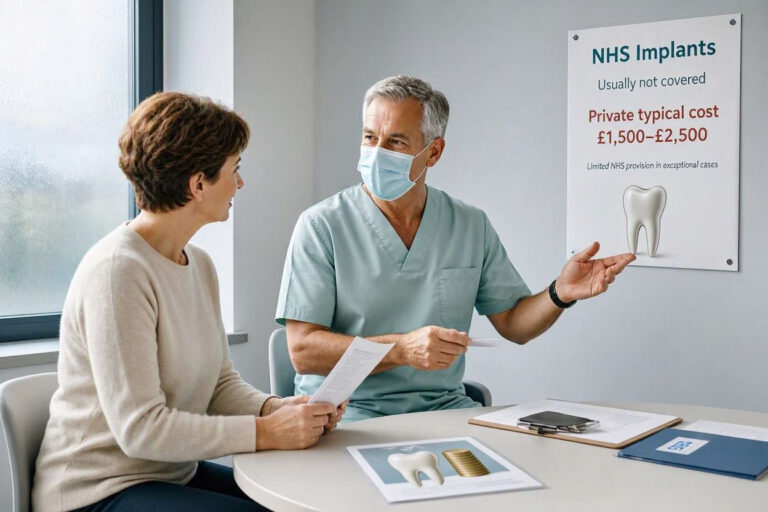
The cost of dental implants is one of the biggest barriers to restoring a healthy smile. A single implant can cost thousands of dollars. For someone with low income, missing teeth, or no insurance, that price tag feels like a mountain. In the search for help, many people stumble across the term “Dental Implant Grant.” But does such a grant actually exist? Can you really get free money to pay for implants?
The short answer is yes, but with strict conditions. There is no government program that hands out cash for implants to the general public. However, there are specific programs, non-profits, and educational institutions that offer financial assistance or heavily discounted implants to those who qualify. This article cuts through the confusion. We will explore the real programs, how they work, and how you can apply.

Understanding the Landscape of Dental Funding
Before we look at grants, we need to understand why implants are so expensive and why funding is scarce.
Why Implants Cost So Much
Dental implants involve surgery. You are paying for the surgeon’s time, the anesthesia, the titanium screw (the fixture), the abutment, the crown (custom-made in a lab), and the CT scans. It is a high-tech, multi-visit process. Unlike medical health, dental health is often treated as a luxury in insurance models.
Insurance vs. Grants
- Insurance: You pay premiums, and the company covers a percentage of the cost. Dental insurance often has a “missing tooth clause,” meaning they won’t cover a tooth that was missing before the policy started.
- Grants: A grant is a sum of money given for a specific purpose. You do not have to pay it back. For dental implants, true “free money” grants are incredibly rare for the average person. Most “grant” programs are actually subsidized care programs run by charities or manufacturers.
The “Cosmetic Dentistry Grants” (CDG) Program
If you search Google for “dental implant grants,” you will likely see websites advertising “Cosmetic Dentistry Grants.” Let’s be very clear about what this is and what it isn’t.
The Reality
This is often a marketing or lead-generation service. It is not a charity that gives out free money.
How It Works
- Application: You fill out a form online.
- Network: The company sells your information or connects you with a participating dentist.
- Discount: The dentist agrees to offer a discount (often 30% to 50% off their usual rate).
- Financing: The program usually requires you to finance the remaining balance through their specific lending partners.
The Verdict
Is this a scam? Technically, no. Some people do get discounts. However, you need to be very careful. The “grant” is essentially a coupon. The discounted price might still be higher than another dentist’s normal price. Always get a second opinion before signing up for these programs.
Legitimate Options for Affordable Implants
If you need help paying for implants, these are the legitimate avenues to explore.
1. Dental Schools
This is often the best-kept secret in dentistry.
- What it is: Universities that train dentists have clinics. The students perform the work under the strict supervision of experienced professors.
- Cost: Usually 30% to 50% cheaper than private practice.
- Pros: High quality work (professors check everything), low cost.
- Cons: Appointments take much longer (hours instead of 30 minutes), waiting lists can be long, and treatment is done in stages.
2. Clinical Trials
Dental implant manufacturers (like Straumann or Nobel Biocare) constantly test new products.
- What it is: Researchers need patients to test new implant surfaces or techniques.
- Cost: Sometimes free or heavily subsidized.
- Pros: You get cutting-edge treatment.
- Cons: You are taking a risk on an unproven product. You might not qualify due to strict health criteria.
3. Non-Profit Organizations
Some charities aim to help specific groups.
- Donated Dental Services (DDS): This program helps elderly or disabled individuals who cannot afford dental care. Volunteer dentists provide free treatment. However, the waiting list is often long, and they may not cover complex implant cases unless necessary.
- Mission of Mercy: These are pop-up clinics that provide free care. However, they usually do extractions, not implants, due to the time required.
4. The HealthWell Foundation
This is a real grant organization. However, they focus on medical treatments, not general cosmetic dentistry. They sometimes offer co-pay assistance for oral surgery if it is related to a specific medical condition (like cancer or trauma).
The VA and Government Programs
Veterans Affairs (VA)
If you are a veteran, you might be eligible for dental care through the VA. However, the VA generally only provides implants if there is a medical need (e.g., you lost teeth due to service-related trauma). It is not available to all veterans for cosmetic reasons.
Medicare and Medicaid
- Medicare: Does not cover dental implants. Period.
- Medicaid: Coverage varies by state. Most states only cover extractions and dentures. A few states might cover implants if medically necessary, but this is rare.
State and Local Grants
Some states have specific funds for workforce development or rehabilitation. For example, if you need teeth to get a job, a state vocational rehabilitation program might help pay for dentures or implants. This is highly specific and requires you to prove that your teeth are preventing you from finding employment.
How to Apply for a Dental Grant (The Smart Way)
If you decide to pursue a “grant” or subsidy program, follow these steps to protect yourself.
- Get a Written Treatment Plan: First, go to a private dentist and get a diagnosis. You need to know exactly how many implants you need and why.
- Research the “Grant”: Look up the organization. Check the Better Business Bureau (BBB). Type the name into Google with the word “scam” or “reviews.”
- Do Not Pay Upfront Fees: A legitimate grant does not require you to pay a processing fee to receive the grant.
- Compare Prices: Take the “grant” price quote to a local dentist. Ask if they can match it or beat it. Sometimes, a local dentist offers a cash discount that beats the “grant” price without the membership hassle.
Alternative Funding: The Realistic Approach
Most people don’t get grants. They pay for implants through other means.
1. In-House Membership Plans
Many private dentists now offer membership plans. You pay a yearly fee (e.g., $300) and receive discounts (e.g., 20%) on all procedures, including implants.
2. Payment Plans (Financing)
Companies like CareCredit or LendingClub allow you to pay for the implant over 12, 24, or 60 months. If you have good credit, you can get interest-free periods (usually 6-18 months).
3. Travel Dentistry (Dental Tourism)
Many Americans travel to Mexico or Costa Rica for implants. The cost can be 50% to 70% cheaper. However, this requires careful research. If something goes wrong, your local dentist might not be able to fix it easily.
| Funding Source | Type | Cost | Difficulty | Risk |
|---|---|---|---|---|
| Dental School | Subsidized | Low | High (wait times) | Low |
| Clinical Trial | Free/Low | Free | Medium (qualifying) | High (unproven tech) |
| Non-Profit | Charity | Free | High (strict criteria) | Low |
| “CDG” Grant | Discount | Medium | Low | Medium (marketing) |
| Financing | Loan | High (interest) | Low | Medium (debt) |
Conclusion
While the idea of a “dental implant grant” is appealing, the reality is that free money for implants is scarce. Most programs are either discounts, student clinics, or require specific hardship criteria. Rather than searching for a handout, focus on finding high-quality, affordable care through dental schools or negotiating with local providers.
Additional Resource
For a list of accredited dental schools in the United States, visit the American Dental Association at www.ada.org.