Will Dillons Dental Implant Abdella?
The question “Will Dillons Dental Implant Abdella?” appears to reference specific names that may relate to a dental practice, a patient, or a particular situation. While the exact context of this query is unclear, it raises important questions about dental implant procedures, provider selection, and what patients should consider when seeking implant treatment.
This guide addresses the broader topic of choosing a dental implant provider and understanding the implant process. You will learn how to evaluate dental practices, what questions to ask, and how to ensure you receive quality care.
Understanding the Query
Before diving into dental implant information, let us address the specific question.
Interpreting the Question
The phrase “Will Dillons Dental Implant Abdella?” could be interpreted in several ways:
- Will a practice called “Dillons Dental” provide an implant for a patient named Abdella?
- Is Dr. Abdella at Dillons Dental qualified to perform implants?
- Does a specific dental office offer implant services?
Without clear context, it is difficult to provide a definitive answer. However, the question highlights the importance of researching dental providers before committing to treatment.
What This Means for Patients
If you are considering dental implants, you need to:
- Verify that the practice offers implant services
- Confirm the qualifications of the dentist
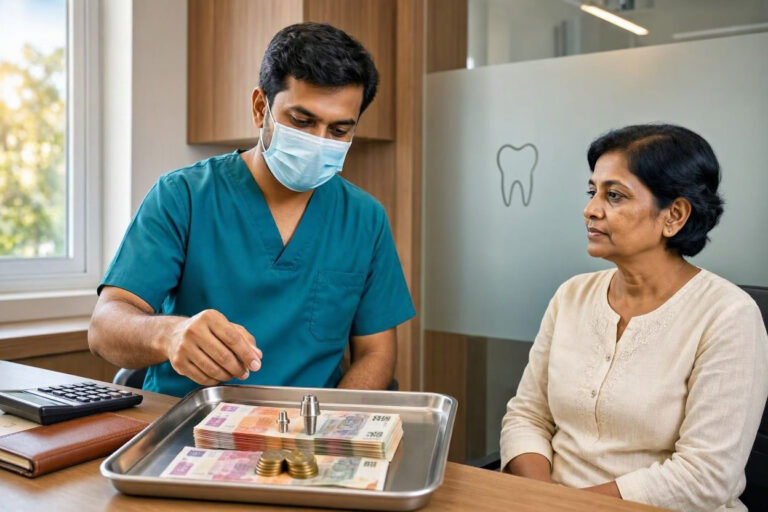
- Understand the costs involved
- Review patient experiences
- Ask about success rates
How to Evaluate a Dental Practice for Implants
Choosing the right provider is crucial for successful implant treatment.
Credentials to Look For
Education and Training:
- Dental degree from an accredited institution
- Advanced training in implant dentistry
- Continuing education in implant techniques
Professional Memberships:
- American Academy of Implant Dentistry (AAID)
- International Congress of Oral Implantologists (ICOI)
- American Dental Association (ADA)
Experience:
- Number of implant procedures performed
- Years of experience with implants
- Success rates and complication rates
Questions to Ask the Dentist
Before committing to implant treatment, ask these important questions.
1. What is your experience with dental implants?
Ask how many implants the dentist has placed and their success rate.
2. What type of implant system do you use?
Reputable systems include Straumann, Nobel Biocare, and Zimmer Biomet.
3. Do you use 3D imaging for planning?
Cone beam CT scans improve accuracy and reduce complications.
4. What is the total cost?
Request an itemized quote that includes all fees.
5. What is your complication rate?
Honest dentists will discuss potential risks and their experience managing them.
6. Can I see before-and-after photos?
Reviewing previous cases helps you assess the dentist’s skill.
7. What warranty do you offer?
Some practices offer warranties on implant work.
Understanding Dental Implant Procedures
Knowing what to expect helps you make informed decisions.
The Implant Process
Step 1: Consultation and Planning
- Comprehensive examination
- X-rays and CT scans
- Treatment planning
- Cost estimate
Step 2: Preparatory Procedures (If Needed)
- Tooth extractions
- Bone grafting
- Sinus lift
- Gum disease treatment
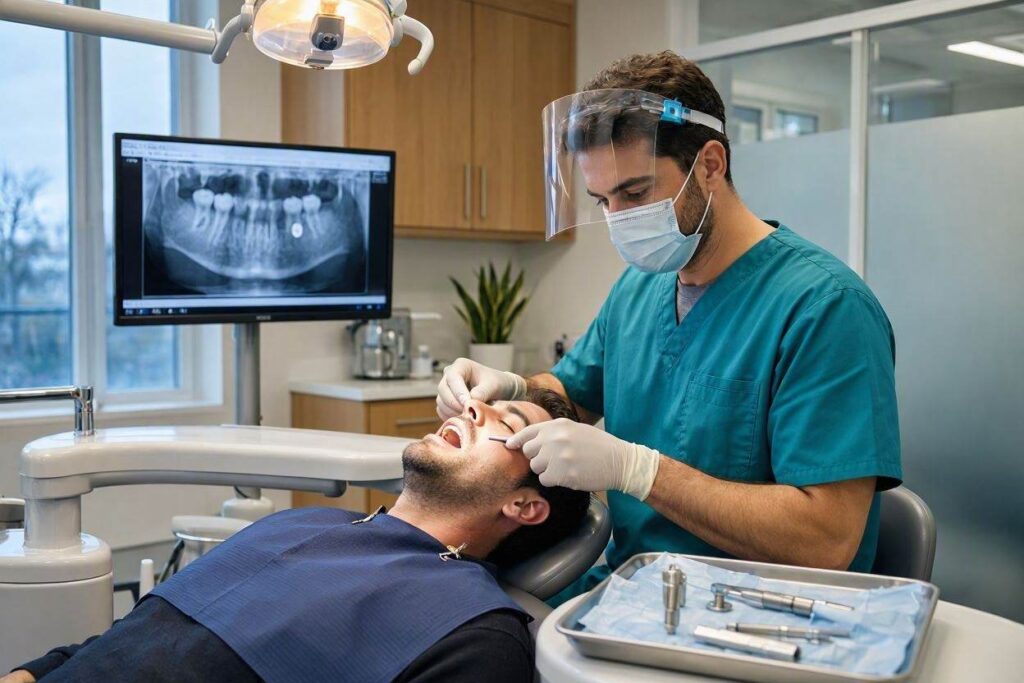
Step 3: Implant Placement
- Surgical placement of the titanium post
- Healing period of 3 to 6 months
- Osseointegration (bone fusion)
Step 4: Abutment Placement
- Connector piece attached to implant
- Healing period of 2 to 4 weeks
Step 5: Crown Placement
- Custom-made crown attached to abutment
- Bite adjustment
- Final polishing
Types of Dental Implants
Single Tooth Implant:
Replaces one missing tooth with one implant and crown.
Implant-Supported Bridge:
Replaces multiple missing teeth using two or more implants.
Implant-Supported Denture:
Replaces a full arch using 2 to 8 implants.
All-on-4:
Full arch replacement using four strategically placed implants.
Costs of Dental Implants
Understanding costs helps you budget for treatment.
Average Costs
| Component | Average Cost |
|---|---|
| Implant Post | $1,000 – $3,000 |
| Abutment | $300 – $500 |
| Crown | $1,000 – $3,000 |
| Bone Graft (if needed) | $300 – $1,200 |
| CT Scan | $200 – $500 |
| Total per Tooth | $2,300 – $6,700 |
Insurance Coverage
- Dental insurance may cover a portion of the crown
- Medical insurance may cover implant surgery in some cases
- Annual maximums limit coverage
Financing Options
- CareCredit healthcare financing
- In-house payment plans
- Personal loans
- Health savings accounts
Red Flags to Watch For
Be cautious if you encounter these warning signs.
Unusually Low Prices
If the price seems too good to be true, it probably is. Extremely low prices may indicate:
- Inferior implant materials
- Inexperienced providers
- Hidden fees
- Lack of proper sterilization
Pressure Tactics
Reputable dentists do not pressure patients into immediate decisions. Be wary of:
- High-pressure sales tactics
- Limited-time offers that create urgency
- Refusal to provide written quotes
Lack of Credentials
Verify the dentist’s qualifications before proceeding. Be concerned if:
- The dentist refuses to discuss training
- Professional memberships are absent
- The practice lacks proper licensing
Poor Communication
Quality care requires clear communication. Watch for:
- Unanswered questions
- Vague treatment plans
- Lack of transparency about costs
How to Research a Dental Practice
Here are practical steps to evaluate a provider.
1. Check Online Reviews
Google Reviews, Yelp, and health-specific platforms provide insights from previous patients.
What to Look For:
- Consistent positive feedback
- Specific mentions of implant procedures
- How the practice responds to negative reviews
2. Verify Licensing
Check with your state dental board to confirm the dentist’s license is active and in good standing.
3. Review Credentials
Look for advanced training and professional memberships on the practice website.
4. Request a Consultation
Schedule a consultation to meet the dentist and evaluate the practice.
What to Observe:
- Cleanliness of the facility
- Modernity of equipment
- Professionalism of staff
- Willingness to answer questions
5. Ask for References
Reputable dentists may provide references from previous implant patients.
The Importance of Choosing a Qualified Provider
Dental implant success depends heavily on provider skill.
Success Rates
Experienced implant dentists report success rates of 95% to 98%. Less experienced providers may have lower rates.
Complication Risks
Complications are more likely with inexperienced providers:
- Implant failure
- Nerve damage
- Sinus problems
- Infection
- Poor aesthetic outcomes
Long-Term Value
A successful implant can last decades or a lifetime. Choosing a qualified provider protects your investment.
What to Do If You Are Unsure
If you are uncertain about a specific dental practice, take these steps.
1. Schedule a Second Opinion
Consult another dentist for an independent assessment of your case and treatment plan.
2. Research the Specific Dentist
Search for the dentist’s name online. Look for:
- Professional profiles
- Published articles
- Patient reviews
- Disciplinary actions
3. Contact Professional Organizations
Organizations like the AAID and ICOI can verify whether a dentist is a member in good standing.
4. Ask Direct Questions
Do not hesitate to ask the practice directly about:
- The dentist’s implant experience
- Success rates
- Complication management
- Warranty policies
Making Your Decision
After thorough research, you can make an informed decision.
Factors to Consider
- Dentist’s experience and credentials
- Cost and financing options
- Practice location and convenience
- Communication style and comfort level
- Patient reviews and testimonials
Trust Your Instincts
If something feels wrong, seek another provider. Your oral health is too important to compromise.
Conclusion
While the specific question “Will Dillons Dental Implant Abdella?” cannot be definitively answered without more context, it highlights the importance of researching dental implant providers. When considering implants, verify the dentist’s credentials, ask about experience, review costs, and check patient feedback. Choosing a qualified provider ensures the best chance of successful, long-lasting results.
Frequently Asked Questions (FAQ)
Q: How do I know if a dentist is qualified to place implants?
A: Look for advanced training, professional memberships, and documented experience with implant procedures.
Q: What should I ask during an implant consultation?
A: Ask about experience, success rates, implant systems used, total costs, and warranty policies.
Q: How can I verify a dentist’s credentials?
A: Check with your state dental board and professional organizations like the AAID or ICOI.
Q: What is a reasonable price for a dental implant?
A: Reasonable prices range from $2,300 to $6,700 per tooth, depending on location and complexity.
Q: How long do dental implants last?
A: With proper care, implants can last 25 years or longer. The crown may need replacement every 10 to 15 years.
Q: What are the signs of a good dental practice?
A: Clean facilities, modern equipment, professional staff, transparent pricing, and positive patient reviews.
Additional Resource
For more information on finding a qualified implant dentist, visit the American Academy of Implant Dentistry (AAID) at www.aaid.com. They provide a directory of credentialed implant dentists.